balance
nounDefinition
What Makes This Word Tick
“Balance” is about steadiness—having weight or force distributed in a way that keeps something upright instead of tipping. It often implies control, not just stillness: small adjustments can maintain the same stable state. Compared with simple “standing,” balance suggests a deliberate hold against wobble or pull.
If Balance Were a Person…
Balance would be the calm friend who keeps a level head while everyone else leans too far in one direction. They don’t freeze; they micro-correct. They make stability look effortless, even when they’re working for it.
How This Word Has Changed Over Time
The core idea of “balance” has stayed pretty consistent: a stable, upright steadiness. Over time, it has broadened from literal physical steadiness to a more general sense of “keeping things from tipping,” even when the “things” are forces or conditions.
Old Sayings and Proverbs
A proverb-style idea that matches this word is that steady footing comes from small, careful shifts, not stubborn stillness. This reflects how balance is maintained by adjusting before a wobble becomes a fall.
Surprising Facts
One interesting thing about “balance” is that it often implies motion, even when the result looks still. In everyday talk, it’s frequently paired with verbs like “keep,” “lose,” or “regain,” because steadiness can change moment to moment. It’s also a word that naturally invites contrast—stable versus tipped, steady versus swaying.
Out and About With This Word
You’ll often see “balance” used when describing physical skills—sports, dance, or anything that demands steady posture. It also shows up when talking about objects that can topple, like stacks, loads, or items on uneven surfaces. The word fits best when the point is staying upright and steady, not just being in place.
Pop Culture Moments Where Balance Was Used
In pop culture, the idea of balance often shows up in training montages and challenge scenes where a character learns steadiness under pressure. It’s the kind of concept tied to tests of control, patience, and coordination. The meaning clicks whenever a small wobble could ruin the whole moment.
The Word in Literature
In literary writing, “balance” is useful for crisp physical description—capturing that tense, careful steadiness before a slip. Writers also like its built-in suspense: the reader can feel how close something is to tipping. It’s a practical word that makes control (and the threat of losing it) vivid.
Moments in History with Balance
Throughout history, the concept of balance appears in situations where people must keep things steady—crossing narrow paths, carrying loads, or performing skilled work with tools and materials. It matters because a stable stance can be the difference between success and a dangerous fall or spill. The idea fits any setting where steadiness is a real, physical requirement.
This Word Around the World
Across languages, this idea is usually expressed through words that mean “steadiness” or “being upright without tipping.” The exact phrasing can vary, but the concept stays recognizable because the physical experience is universal. In many cultures, the word choice still emphasizes controlled stability rather than simple stillness.
Where Does It Come From?
The origin notes point to Latin, connected to the idea of “two-scaled,” which matches the imagery of even distribution. That root sense fits the modern meaning: steadiness achieved by keeping weight from leaning too far to one side.
How People Misuse This Word
People sometimes use “balance” when they simply mean “being in the middle” or “having a mix,” even if there’s no sense of steadiness. If the focus is upright stability, “balance” fits; if it’s just variety or moderation, another word may be clearer. It can also help to specify whose or what balance you mean—body, object, or stance.
Words It’s Often Confused With
“Balance” is often mixed up with “poise,” but poise suggests graceful composure more than simple steadiness. It can also blur with “stability,” which is broader and less tied to the physical act of staying upright. “Equilibrium” is related, but it often sounds more technical than everyday balance.
Additional Synonyms and Antonyms
Additional Synonyms: steadiness, poise, stability Additional Antonyms: imbalance, unsteadiness, wobble
Want to Try It Out in a Sentence?
"The gymnast held her balance on the beam despite the shaky landing."
Explore more words

ostracism
[os-tra-ism]
exclusion from a group

coax
[kohks]
to manipulate to a desired end by adroit handling or persistent effort
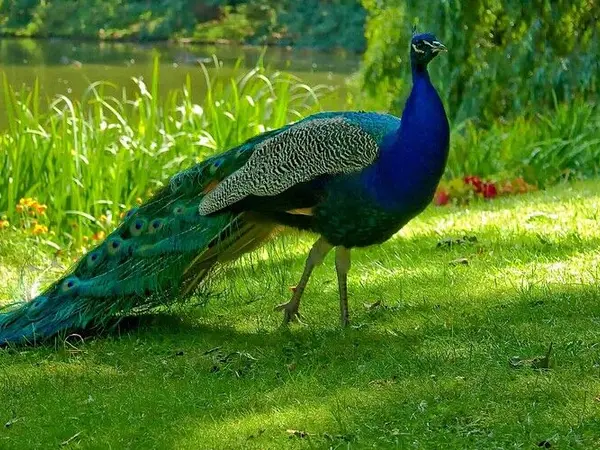
peacock
[pee-kok]
to make a vainglorious display; strut like a peacock

mercurial
[mer-kyoor-ee-uhl]
changeable; volatile; fickle; flighty; erratic

iconoclast
[ic-ono-ast]
one who attacks common beliefs or institutions

execrable
[ek-si-kruh-buhl ]
utterly detestable; abominable; abhorrent

largesse
[lar- jes]
the generous bestowal of gifts, favors, or money

rapprochement
[rap-rohsh-mahn]
an establishment or resumption of harmonious relations
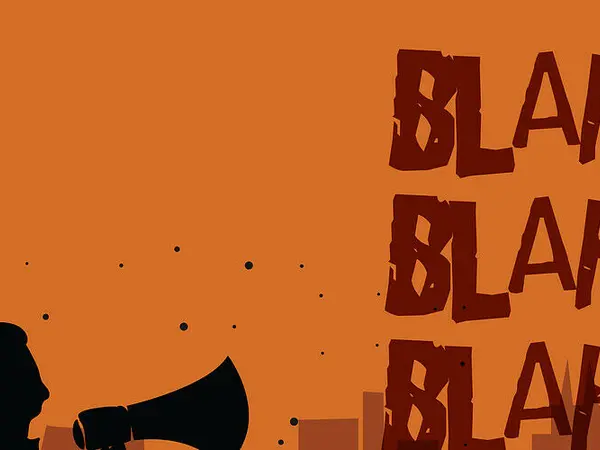
malarkey
[muh-lahr-kee]
meaningless talk; nonsense

avaricious
[av-uh-rish-uhs]
characterized by avarice; greedy; covetous

pithy
[pith-ee]
brief, forceful, and meaningful in expression; full of vigor, substance, or meaning; terse; forcible
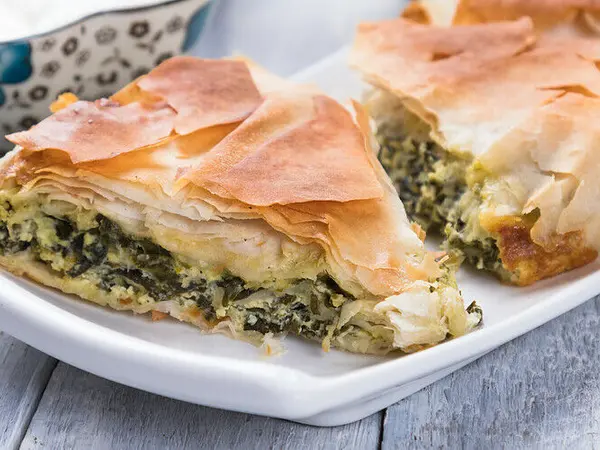
phyllo
[fee-loh]
flaky, tissue-thin layers of pastry used in baked desserts and appetizers

fortuitous
[fawr-too-i-tuhs]
happening or produced by chance; accidental

ensorcell
[en-sawr-suhl]
to bewitch, charm, or enchant

virtuoso
[vur-choo-oh-soh]
a person who has special knowledge or skill in a field

increase
[inkr-eas-e]
to grow in size, number, or intensity; to make something greater.