incredulous
adjective, adjectiveDefinition
What Makes This Word Tick
"Incredulous" is a delightful word that describes a state of disbelief or skepticism. It captures that moment when someone raises an eyebrow, not quite buying what they're being told-perhaps because it sounds too good to be true or just plain unbelievable. Pair it with expressions: "He gave an incredulous look," and you've painted a vivid picture of doubt or astonishment.
If Incredulous Were a Person…
Picture a middle-aged detective, trench coat and all, peering over the top of his bifocals at a suspect's outlandish alibi. Always squinting at life's promises, never taking things at face value, and equipped with a well-practiced dubious smirk-this person embodies "incredulous" perfectly.
How This Word Has Changed Over Time
"Incredulous" has stayed relatively consistent over time, maintaining its skeptical stance since its early uses in English. Unlike some words that have shifted meaning, "incredulous" has been a trusty descriptor for those moments when our faith in others' words doesn't come easily.
Old Sayings and Proverbs That Use Incredulous
While old proverbs never specifically used "incredulous," phrases like "I'll believe it when I see it" perfectly capture the incredulity spirit, reflecting a reserved judgment until proof is provided. It seems doubt and skepticism have always been parts of the human experience.
Surprising Facts About Incredulous
Did you know that "incredulous" is different from "incredible"? While "incredulous" refers to disbelief, "incredible" describes something unbelievable due to its greatness. They often get tangled up, but each marches to the beat of its own drum in the language symphony.
Out and About With This Word
In everyday conversation, "incredulous" surfaces when skepticism abounds, like during discussions about alien encounters or miraculous lottery wins. It's a handy word at dinner parties, where it's used to gently question unbelievable anecdotes.
Pop Culture Moments Where Incredulous Was Used
If you remember the character of Mulder in "The X-Files" repeating the phrase "I want to believe," then you've seen incredulity in action. He's the epitome of someone constantly balancing belief and skepticism, which the word "incredulous" aptly describes.
The Word in Literature
"Incredulous" often appears in mystery novels and detective stories, where characters regularly question the events around them. Think of Arthur Conan Doyle's Sherlock Holmes raising an eyebrow at a dubious alibi. It's the perfect partner in crime for suspenseful narratives.
Moments in History with Incredulous
The moon landing in 1969 left many incredulous, unable to fathom that humanity could actually journey to another celestial body. The spirit of disbelief was tangible, even as televisions broadcast the historic event worldwide, capturing a mix of awe and skepticism.
This Word Around the World
While "incredulous" itself isn't directly translatable in every language, the concept is universal. In French, one might use "incrédule," while in Spanish, it could be "incrédulo." Both carry the same weighty air of disbelief that transcends cultural boundaries.
Where Does It Come From?
"Incredulous" hails from the Latin word "incredulus"-a blend of "in-" meaning "not" and "credere," meaning "to believe." It's a testament to how the Roman roots of English continue to influence the language today.
How People Misuse This Word
It's common to mix up "incredulous" with "incredible," with many using the former to describe something fantastic. Remember, "incredulous" is all about your feelings of disbelief, not the nature of the thing itself being believable.
Words It's Often Confused With
- Incredible: Appeals to greatness and the extraordinary, whereas "incredulous" alludes to doubt.
- Skeptical: While similar in meaning, "skeptical" often implies a general outlook, whereas "incredulous" is usually reactionary.
- Doubtful: Can be used interchangeably in some contexts, but "incredulous" can convey more intensity.
Additional Synonyms and Antonyms
Synonyms for "incredulous" include skeptical, suspicious, and doubtful. On the flip side, antonyms like trusting, unsuspecting, or gullible paint a picture of belief rather than disbelief.
Want to Try It Out in a Sentence?
"When Grandpa heard the story about cats that could play Mozart on the piano, he gave an incredulous chuckle, not easily swayed by such tall tales."
Explore more words

hinder
[hin-der]
to cause delay, interruption, or difficulty in; hamper; impede

epistemology
[ih-pis-tuh-mol-uh-jee]
a branch of philosophy that investigates the origin, nature, methods, and limits of human knowledge
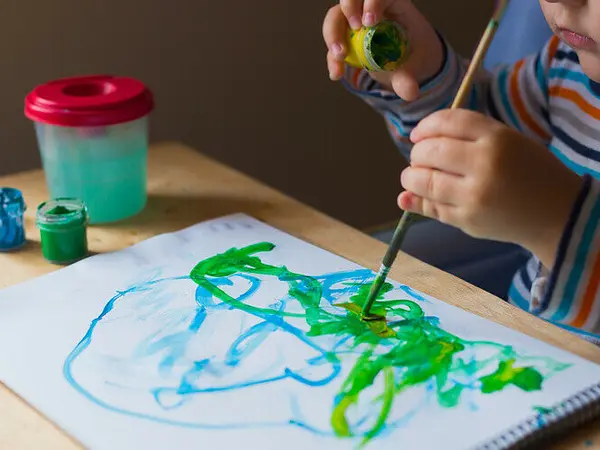
ambidextrous
[am-bi-dek-struhs]
able to use both hands equally well
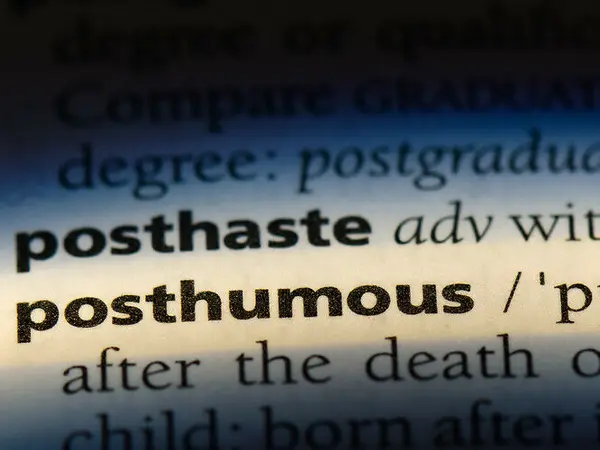
posthumous
[pos-chuh-muhs]
arising, occurring, or continuing after one’s death

infamy
[in-fuh-mee]
extremely bad reputation, public reproach, or strong condemnation as the result of a shameful, criminal, or outrageous act

giant
[jy-unt]
an extremely large or powerful being or thing

briskness
[brisk-nes]
the quality of being energetic or lively

plaza
[plah-zuh]
a public square in a city or town.

harass
[huh-ras]
to persistently trouble or annoy someone

ensorcell
[en-sawr-suhl]
to bewitch, charm, or enchant
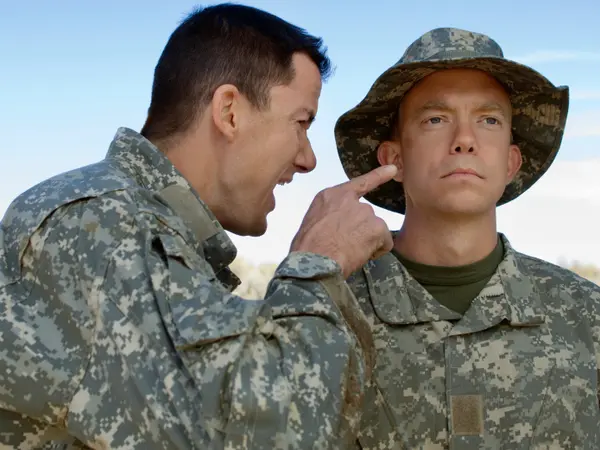
chasten
[chey-suhn]
to inflict suffering upon for purposes of moral improvement; chastise

pitiable
[pit-ee-uh-buhl]
evoking or deserving pity; lamentable; miserable; contemptible

annihilate
[uh-nahy-uh-leyt]
to reduce to utter ruin or nonexistence; destroy utterly

ostensible
[o-sten-suh-buhl]
outwardly appearing as such; professed; pretended

solipsism
[sol-ip-siz-uhm]
the theory that only the self exists, or can be proved to exist

irradiate
[ih-rey-dee-eyt]
to shed rays of light upon; illuminate