arabic
nounDefinition
What Makes This Word Tick
Arabic refers to a Semitic language spoken across parts of the Middle East and Northern Africa, with many dialects and a widely recognized written standard. In everyday use, it often points both to the language people speak and to the shared written form used across regions. The word tends to feel broad and cultural, not just technical, because language and identity are closely linked.
If Arabic Were a Person…
Arabic would be the accomplished storyteller who can shift styles depending on the room, while still keeping a recognizable core voice. They’re adaptable in conversation, yet they carry a formal register they can step into when the moment calls for it. Being around them feels like hearing many local flavors inside one larger tradition.
How This Word Has Changed Over Time
Arabic has remained anchored to naming the language, while modern usage often highlights the relationship between regional spoken varieties and a shared written standard. The meaning stays stable even as people use it in more contexts—learning, media, travel, or heritage discussions.
Old Sayings and Proverbs
A proverb-style idea that fits Arabic-as-a-language is that a shared written form can connect many local voices. That reflects the definition’s emphasis on numerous dialects alongside a classical standard in writing.
Surprising Facts
One interesting thing about Arabic is that everyday speech can vary a lot by region while still being recognized under one language name. The definition also highlights how written Arabic often aligns to a classical standard, which can make “spoken vs. written” feel like two different gears of the same language. This is why people sometimes specify dialects in conversation while still calling the language Arabic.
Out and About With This Word
You’ll often see Arabic used in education, translation, and cultural contexts where people name the language they speak or study. It also appears in discussions of media, literature, and writing standards, especially when someone contrasts dialect speech with formal written style. In everyday conversation, it’s commonly used when talking about communication across the Middle East and Northern Africa.
Pop Culture Moments Where Arabic Was Used
In pop culture, Arabic often shows up when stories move across regions, communities, or multilingual settings and language becomes part of authenticity and identity. It can signal belonging, translation moments, or the way characters navigate different registers of speech. The concept fits because language choice can shape tone, trust, and connection in a scene.
The Word in Literature
In literature, Arabic may appear as the named language of dialogue, poetry, scholarship, or sacred and formal writing, depending on the scene’s voice. Writers can use it to suggest register shifts—everyday speech versus a more classical written style. Even when not quoted directly, naming the language can frame atmosphere and cultural context.
Moments in History with Arabic
Throughout history, Arabic as a language has mattered in contexts where shared writing standards support communication across regions, from administration to learning and cultural exchange. The definition’s emphasis on dialect variety also fits historical patterns of local speech alongside widely recognized written forms. It highlights how language can unify across distance while still preserving local difference.
This Word Around the World
Across languages, people usually express this idea by naming the language directly, but they may also distinguish between formal written standards and local spoken varieties. Expression can vary depending on whether the focus is daily conversation, literacy, or classical writing. The core meaning remains: Arabic is the language being referenced.
Where Does It Come From?
Arabic comes through Latin forms referring to Arabia and the people, language, and culture associated with the region. That origin path matches how the word functions now: it names a language tied to a broad geographic and cultural history. The term carries that regional reference even when used purely linguistically.
How People Misuse This Word
A common misuse is treating Arabic as a single uniform speech style everywhere, when the definition notes numerous dialects. Another slip is assuming written Arabic always matches everyday spoken forms; many contexts distinguish between spoken varieties and a more classical written standard.
Words It’s Often Confused With
Arabic is sometimes confused with “Arab,” which refers to people or cultural identity rather than the language itself. It can also be confused with specific dialect labels, where Arabic is the umbrella term and dialect names point to regional speech. And it’s different from “Islamic,” which is religious, not a language name.
Additional Synonyms and Antonyms
Additional Synonyms: Additional Antonyms:
Want to Try It Out in a Sentence?
"Arabic is widely spoken across the Middle East and Northern Africa."
Explore more words

unprecedented
[un-pre-ted]
entirely new

jurisprudence
[joor-is-prood-ns]
a legal system
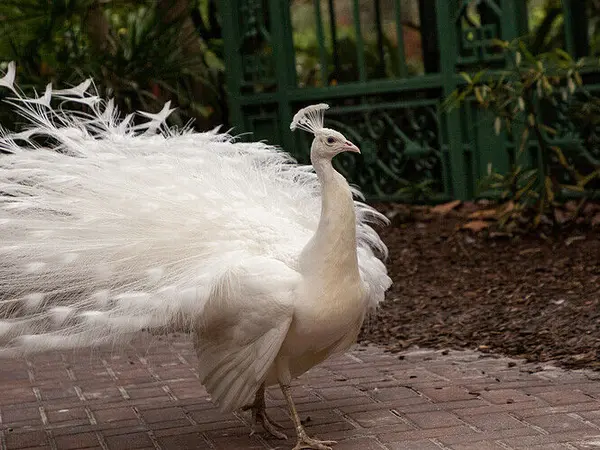
sashay
[sa-shey]
to glide, move, or proceed easily or nonchalantly

uitwaaien
[out-vahyn]
the Dutch practice of jogging or walking into the wind, especially in the winter, for the purpose of feeling invigorated while relieving stress and boosting one’s general health
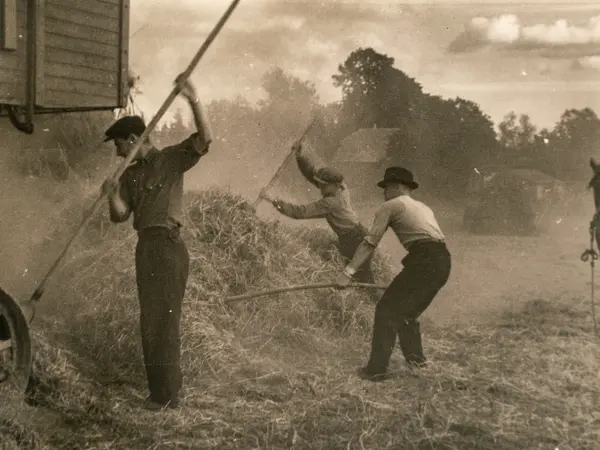
arduous
[ahr-joo-uhs]
requiring great exertion; laborious; difficult

gurn
[gurn]
make a comically or repulsively ugly face
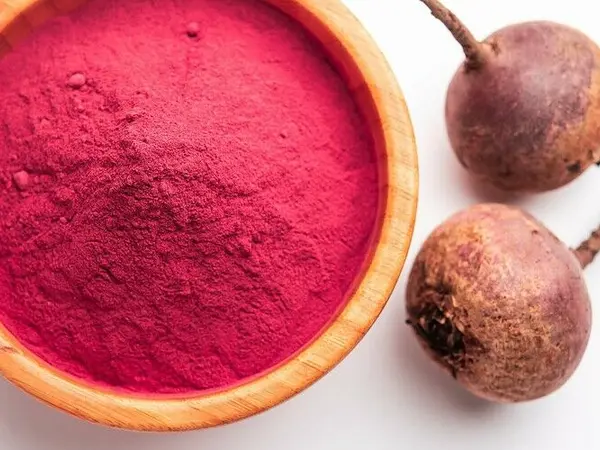
triturate
[trich-uh-reyt]
to reduce to fine particles or powder by rubbing, grinding, bruising, or the like; pulverize

cachinnate
[kak-uh-neyt]
to laugh loudly or immoderately

diaphanous
[dahy-af-uh-nuhs]
very sheer and light; almost completely transparent or translucent

ken
[ken]
know

brain-teaser
[brayn-tee-zer]
a challenging puzzle or problem requiring thought to solve

verdant
[vur-dnt]
of the color green

standoffish
[stand-aw-fish]
somewhat aloof or reserved; cold and unfriendly

strident
[strahyd-nt]
making or having a harsh sound; grating; creaking

languish
[lang-gwish]
to be or become weak or feeble; droop; fade

humbug
[huhm-buhg]
deceptive or false talk or behavior