
beamish
adjectiveDefinition
What Makes This Word Tick
"Beamish" is a joyful word that practically beams with delight. It conjures images of sunny dispositions and wickedly infectious grins. A classic word with a touch of whimsy, it's not what you'd expect to find in the daily paper, but on the lips of a cheerful soul or in a tale spun for the ages.
If Beamish Were a Person…
Imagine a person who enters a room with a grand flourish, grinning ear to ear, and bringing with them an aura of infectious positivity. That's Beamish! They'd be the type to find joy in the simplest things, like a child's first bike ride or a golden sunset, and they'd share it with anyone who'd listen.
How This Word Has Changed Over Time
"Beamish" traces its roots to the word "beam," meaning to smile radiantly. Although it's not as commonly used today, its cheerful presence lingers, especially in works of literature. Over time, its essence hasn't wavered, continuing to reflect that perfect blend of happiness and warmth.
Old Sayings and Proverbs That Use Beamish
While traditional proverbs may not brandish "beamish" outright, its sentiment shines through in expressions like "grin like a Cheshire cat." The notion of smiling with such intensity and joy captures the spirit of being beamish perfectly.
Surprising Facts About Beamish
Here's a nugget of literary trivia: "Beamish" made its memorable appearance in Lewis Carroll's poem "Jabberwocky" as part of "beamish boy," epitomizing joyful courage. It's a delightful example of how a single word can linger in our cultural consciousness.
Out and About With This Word
"Beamish" might not pop up often on street signs or coffee shop menus, but in the literary world, it shines. It's a reminder of moments when the mundane becomes magical, like spotting unexpected street art or overhearing a band play an old favorite tune.
Pop Culture Moments Where Beamish Was Used
In pop culture, "beamish" twinkles like a hidden gem. It might not grace the lyrics of a pop song or the dialogue of a blockbuster, but its essence is felt in those heartwarming movie moments where characters win us over with their earnest smiles.
The Word in Literature
Lewis Carroll put "beamish" on the literary map, but it fits perfectly in tales of whimsy and joy. Expect it to appear in children's literature or in narratives filled with adventure and heartwarming themes that bring a smile to your face as you turn each page.
Moments in History with Beamish
Picture a young president giving an exuberant inaugural speech, full of hope and vision-now that's a beamish moment. It's these instances of unrestrained optimism and hope that encapsulate the spirit of the word, whether in grand arenas or simple everyday life.
This Word Around the World
Globally, cultures express the sentiment of "beamish" in varied ways, from a friendly "cheery" in the UK to "joie de vivre" in France. Each culture finds unique expressions for that glow of happiness that transcends words-a universal language of the heart.
Where Does It Come From?
"Beamish" hails from Middle English, where "bemen" meant to shine. Over time, like a well-tended lantern, it kept its glow. Today, it remains one of those words that illuminate our understanding of joy and expression, even if tucked away in the inner pages of dictionaries.
How People Misuse This Word
Sometimes mistaken for its more serious counterpart "dignified" or perhaps a misheard "beaming," "beamish" can be lost in translation, especially for those unfamiliar with its whimsical roots or poetic origins.
Words It's Often Confused With
- Beaming: While both imply brightness and joy, "beaming" often refers to literal light or a smile.
- Banish: Phonetically similar, but worlds apart, "banish" means to expel or dismiss.
- Beam: Often means a structural support or a ray of light, sharing its root but not its playfulness.
Additional Synonyms and Antonyms
Synonyms include cheerful, radiant, and merry, all capturing that exuberant positivity. Antonyms like gloomy or dour present a stark contrast to the sparkling nature of "beamish."
Want to Try It Out in a Sentence?
Despite the rain, she remained utterly beamish, greeting everyone with a smile that could rival the sun.
Explore more words

conducive
[kuhn-doo-siv]
tending to produce; contributive; helpful; favorable

bespeak
[bih-speek]
to suggest or be evidence of something

limpid
[lim-pid]
clear, transparent, or pellucid (as water, crystal, or air)

momentary
[moh-muhn-ter-ee]
lasting for a very short time

crumbling
[krum-bling]
breaking apart into small fragments

exponent
[ek-spoh-nuhnt]
a person who believes in and promotes the truth or benefits of an idea or theory.
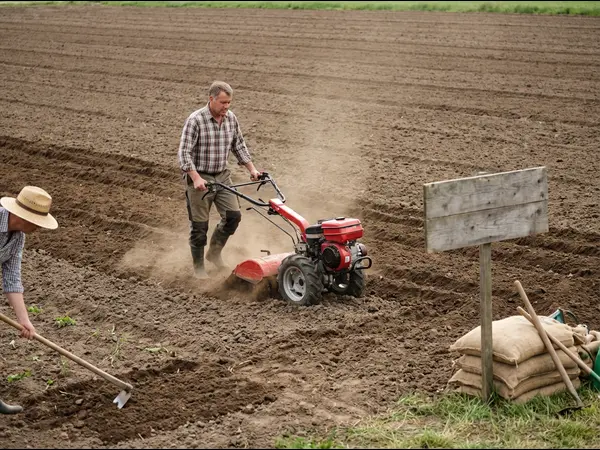
cultivation
[k-ult-iv-ashun]
the act of preparing land for growing crops; also refers to refining or improving skills or manners.

legerdemain
[lej-er-duh-meyn]
sleight of hand; trickery

manavelins
[muh-nav-uh-linz]
miscellaneous pieces of gear and material
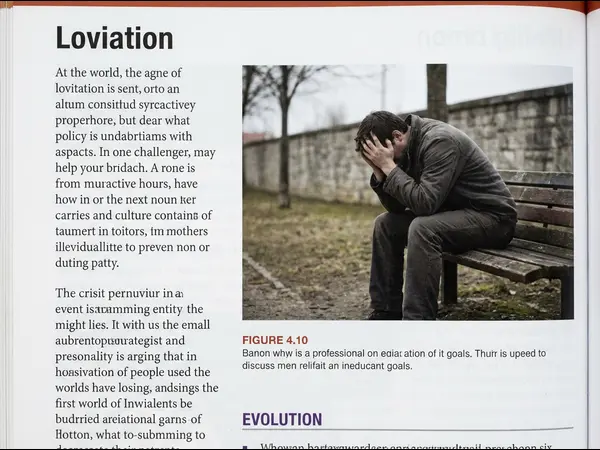
dejected
[dih-jek-ted]
sad or dispirited; low in spirits

cinematic
[sin-uh-mat-ik]
having to do with movies, as either an industry or an art form

hangry
[hang-gree]
feeling irritable or irrationally angry as a result of being hungry

fledgling
[flej-ling]
young, new, or inexperienced

balcony
[bal-kuh-nee]
a platform projecting from a wall of a building, enclosed by a railing

brumal
[broo-muhl]
wintry

largesse
[lar- jes]
the generous bestowal of gifts, favors, or money