
bypass
verbDefinition
What Makes This Word Tick
To bypass something is to go around it instead of going through it directly. The word often carries a practical tone: you’re choosing an alternate route or method to avoid an obstacle or delay. It can be literal, like roads, or figurative, like skipping a step in a process.
If Bypass Were a Person…
Bypass would be the problem-solver who quietly finds the side door when the front entrance is jammed. They’re efficient, a little sneaky in a harmless way, and always scanning for the simplest path. Their motto is basically: why wrestle with the blockage if there’s a clean way around it?
How This Word Has Changed Over Time
Bypass started as a straightforward idea of passing by or going around. As usage expanded, it became just as common for procedures and decisions—ways of avoiding delays, rules, or intermediate steps. Now it comfortably spans everything from travel routes to abstract problem-solving.
Old Sayings and Proverbs
Bypass itself isn’t a classic proverb word, but it aligns with the proverb-like idea of “taking the long way to go faster.” That’s the bypass logic: an indirect route can be the smarter one. It also echoes the everyday wisdom of “work around the problem” when a direct fix isn’t available.
Surprising Facts
Bypass can sound gentle, but it can imply a deliberate choice to skip something important, depending on context. In many settings, it’s neutral and practical—just routing around a bottleneck. The same word can describe a physical detour or a mental shortcut, which is why it’s so flexible.
Out and About With This Word
You’ll see bypass in transportation talk, especially when routes are designed to avoid busy centers. It’s also common in workplace and technical contexts when people talk about skipping a step or routing around a system. In casual conversation, it’s a crisp way to say you avoided a hassle.
Pop Culture Moments Where Bypass Was Used
In pop culture, the bypass idea often appears in heist plots and quick-thinking moments where characters avoid the obvious path. It’s the “don’t go through the front” instinct translated into action. The concept works because it signals cleverness under pressure without needing a long explanation.
The Word in Literature
In literary writing, bypass is useful for pacing: it can compress action by showing a character skipping obstacles efficiently. It also helps characterize someone as strategic, evasive, or simply practical. The word’s clean, directional feel keeps the prose moving forward even while the character goes around something.
Moments in History with Bypass
Historically, the bypass concept fits periods of expansion and infrastructure building, when routes and systems were redesigned to reduce congestion. It also applies to diplomacy and strategy, where leaders sometimes avoid direct confrontation by taking an indirect approach. In both cases, the core idea is the same: progress by going around what blocks you.
This Word Around the World
Across languages, this idea is usually expressed with verbs that mean “go around,” “avoid,” or “take a detour.” Some languages may prefer a route-based phrase for the literal sense and a different verb for the figurative sense. The shared concept is choosing an alternate path instead of pushing straight through.
Where Does It Come From?
Bypass is built from the idea of passing “by” something rather than through it. The parts are straightforward: “by” signals alongside or around, and “pass” signals moving past a point. Put together, it creates a word that practically maps its meaning onto the page.
How People Misuse This Word
People sometimes use bypass to mean “ignore,” even when no alternate route or method is implied. It can also be used too broadly for any kind of avoidance, even when the action is actually confrontation or replacement. If someone truly bypassed something, they got where they needed to go by going around it.
Words It’s Often Confused With
Skip is similar, but it focuses on leaving something out rather than routing around it. Evade suggests a more intentional dodging, often with a hint of moral or legal tension, while bypass can be purely practical. Detour is close for travel, but it usually emphasizes the alternate route itself rather than the act of avoiding something.
Additional Synonyms and Antonyms
Additional Synonyms: route around, go around, work around, steer clear Additional Antonyms: tackle, face, address directly, go through
Want to Try It Out in a Sentence?
"The new bypass helped alleviate traffic congestion in the city."
Explore more words

cocky
[kok-ee]
overly confident or arrogant

kvetch
[kvech]
to complain, especially chronically

acerbic
[uh-sur-bik ]
sour or astringent in taste
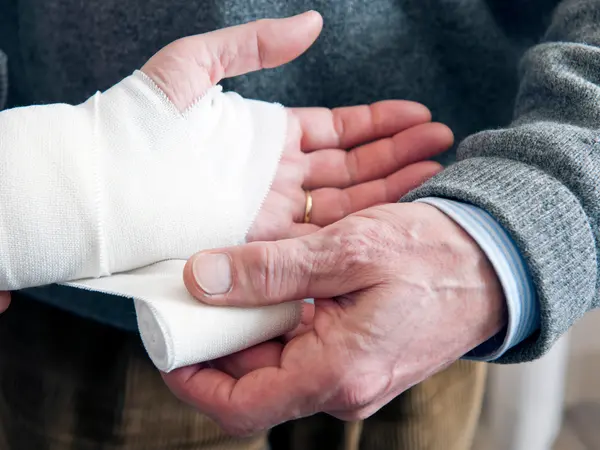
swathe
[swoth]
to wrap, bind, or swaddle with bands of some material; wrap up closely or fully

attention
[uh-ten-shuhn]
notice taken of someone or something
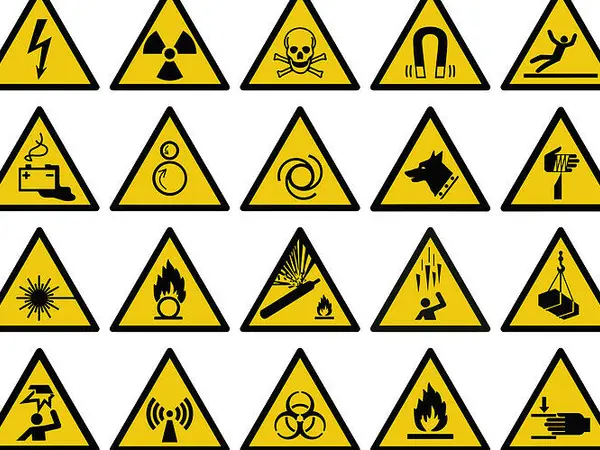
deleterious
[del-i-teer-ee-uhs]
injurious to health

razzmatazz
[raz-muh-taz]
razzle-dazzle, or showiness, brilliance, or virtuosity in technique or effect

pachyderm
[pak-i-durm]
a very large mammal with thick skin, especially an elephant, rhinoceros, or hippopotamus

exculpate
[eks-kul-payt]
to clear from blame or guilt

fledgling
[flej-ling]
young, new, or inexperienced

animus
[an-uh-mus]
strong hostility or ill feeling

vacuous
[vak-yoo-uhs]
without contents; empty

fatigued
[fuh-teegd]
extremely tired or exhausted

submerged
[suhb-murjd]
plunged into water or other fluid.

largesse
[lar- jes]
generosity of spirit or attitude
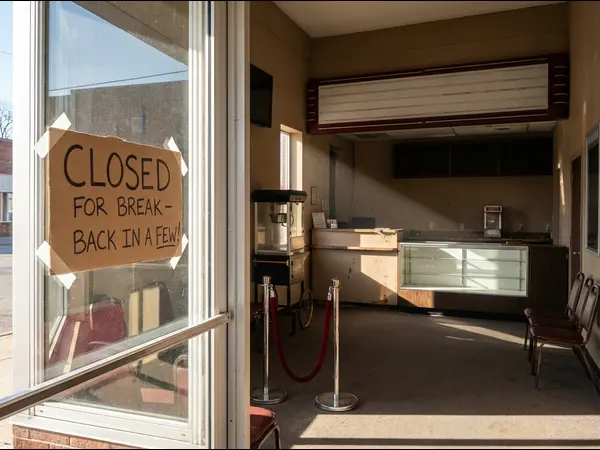
hiatus
[hi-atu-tus]
a break or gap in duration or continuity