parallel
AdjectiveDefinition
What Makes This Word Tick
Parallel describes things extending in the same direction without meeting, keeping a steady, consistent relationship. It’s a geometry-flavored idea that also works as a clean metaphor for sameness in direction. Compared with aligned, parallel adds the nuance of “never meeting,” not just “lined up.”
If Parallel Were a Person…
Parallel would be the companion who walks beside you at the same pace, always close but never crossing into your lane. They’re steady, consistent, and quietly matched to your direction. Being around them feels balanced—two paths moving together without collision.
How This Word Has Changed Over Time
Parallel has stayed anchored to the idea of matching direction without intersection, and it remains a precise, useful descriptor. Over time, it has also become a common way to describe things that “run alongside” each other conceptually, while keeping the same core image.
Old Sayings and Proverbs
A proverb-style idea that matches parallel is that two people can move in the same direction without ever truly meeting. This reflects the definition because parallel lines stay alongside each other while remaining separate.
Surprising Facts
Parallel is one of those words that can feel exact even in everyday writing, because it carries a clear spatial picture. It often signals calm structure—things that stay consistent rather than colliding. In description, it can make a scene feel orderly and measured, like the world has lines and lanes.
Out and About With This Word
You’ll see parallel in math, design, and everyday description of lines, paths, edges, and patterns. It’s also handy when comparing two things that seem to follow the same direction without converging. The word fits best when “side by side, never meeting” is the core idea.
Pop Culture Moments Where Parallel Was Used
In pop culture, the idea of parallel often shows up in stories about two paths unfolding side by side—similar directions, separate outcomes. That reflects the definition because the paths match in direction but do not meet. The concept creates a satisfying sense of structure and comparison.
The Word in Literature
In literary writing, parallel is often used to create controlled comparison—two lines of action, two lives, or two ideas set beside each other without merging. It can sharpen tone by making similarity feel deliberate and patterned. For readers, the word suggests a relationship that is close and comparable, yet still separate.
Moments in History with Parallel
The concept of parallel fits historical contexts where developments move alongside each other without direct intersection—separate groups, separate decisions, similar trajectories. This matches the definition because it emphasizes same-direction movement with continued separation. It’s a useful way to describe patterns without claiming direct contact or overlap.
This Word Around the World
Many languages have direct equivalents for parallel, especially in math and design, often built around ideas like “side by side” or “along the same line.” The meaning stays consistent because the underlying geometry is clear.
Where Does It Come From?
Parallel comes from Greek roots meaning “alongside one another,” which matches the modern sense of lines extending together without meeting. The origin keeps the core image intact: beside, not intersecting.
How People Misuse This Word
Parallel is sometimes used for things that are merely similar, even when they overlap or intersect. In the strict sense, parallel emphasizes continuing separation while moving in the same direction.
Words It’s Often Confused With
Parallel is often confused with perpendicular, but perpendicular lines meet at right angles instead of never meeting. It can also overlap with aligned, though aligned can describe things that line up even if they eventually cross.
Additional Synonyms and Antonyms
Additional Synonyms: side-by-side, coextensive, running alongside Additional Antonyms: crossing, converging, slanting toward
Want to Try It Out in a Sentence?
"The two lines remained parallel, never intersecting on the graph."
Explore more words
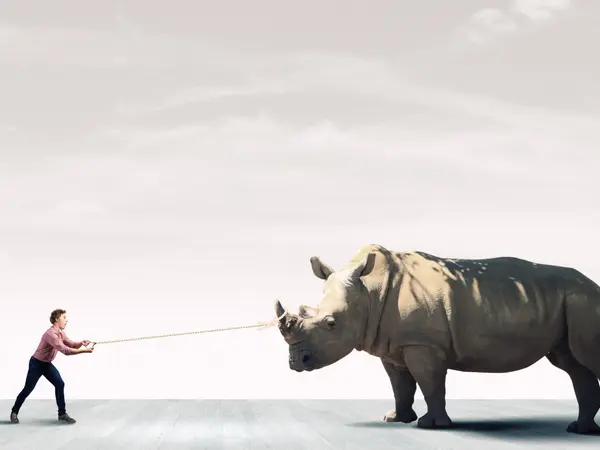
tame
[teym]
changed from the wild or savage state; domesticated
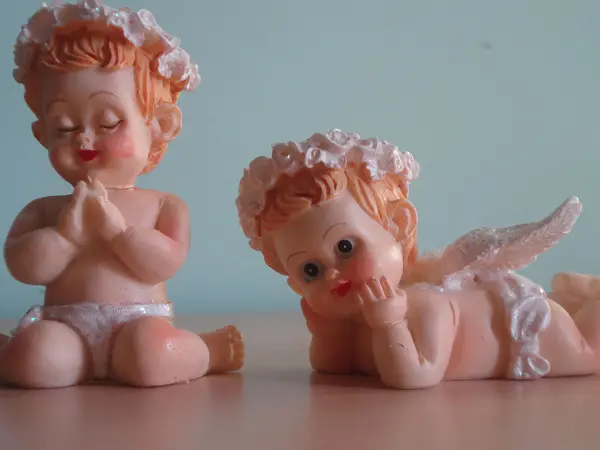
cherubic
[chuh-roo-bik]
having a plump, pretty innocence
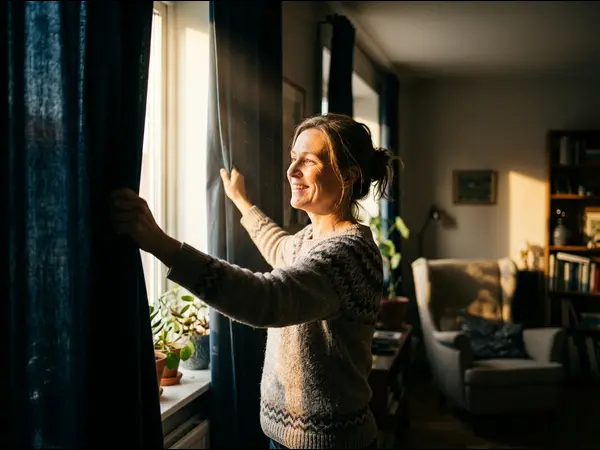
brighten
[bry-ten]
to make or become lighter, happier, or more vivid
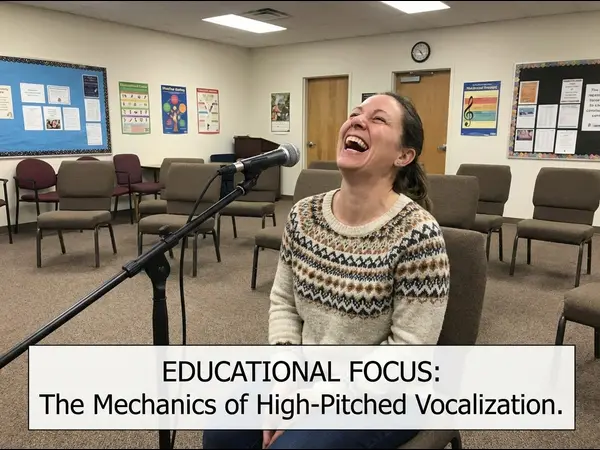
cackle
[k-akl-e]
to laugh in a high-pitched, often unpleasant manner; also refers to the sound made by chickens.

pipe
[p-ip-e]
a hollow tube used for transporting liquids, gases, or sounds; also refers to a musical instrument.
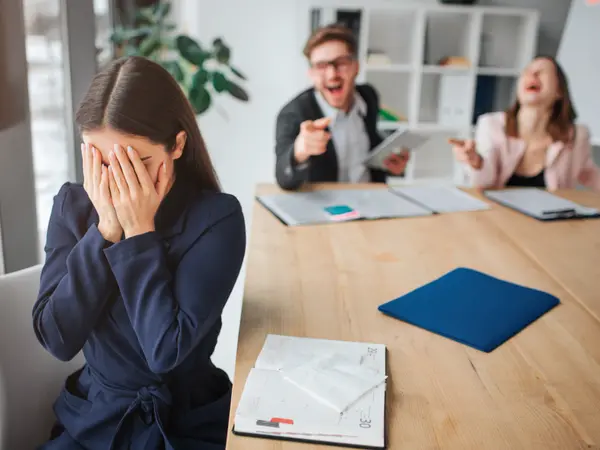
flippant
[flip-uhnt]
frivolously disrespectful, shallow, or lacking in seriousness

vigorous
[vig-er-us]
strong, healthy, and full of energy

dissemble
[dih-sem-buhl]
to give a false or misleading appearance to; conceal the truth or real nature of
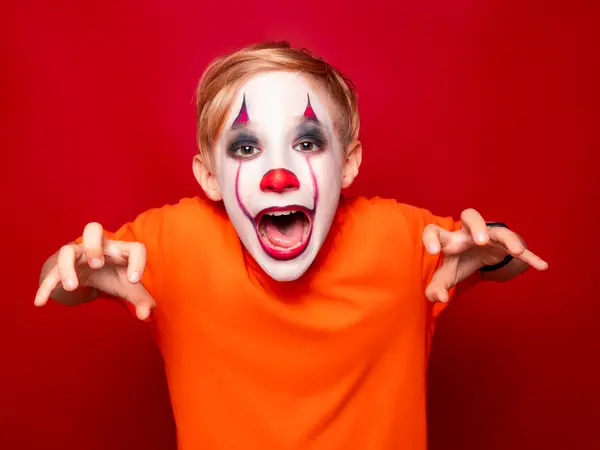
histrionics
[his-tree-on-iks ]
dramatic representation; theatricals; acting

camaraderie
[kah-muh-rah-duh-ree]
mutual trust and friendship among people who spend a lot of time together
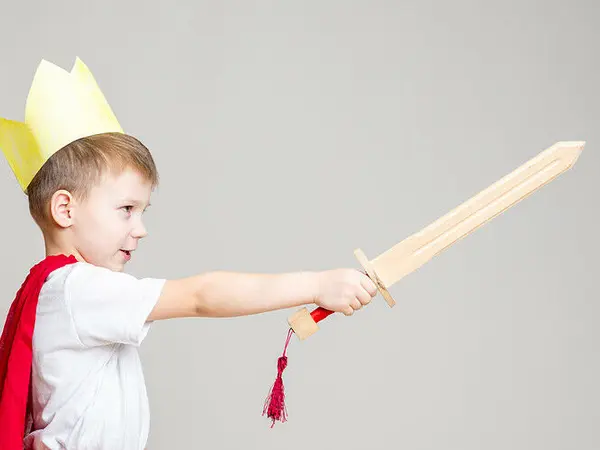
czar
[zahr]
a person of great power

insipid
[in-sip-id]
without distinctive, interesting, or stimulating qualities; vapid

equinox
[ee-kwuh-noks]
the time or date (twice each year) at which the sun crosses the celestial equator, when day and night are of approximately equal length
elicit
[ih-lis-it]
to draw or bring out or forth; educe; evoke

vermouth
[ver-mooth]
a white wine in which herbs, roots, barks, and bitters have been steeped to make it aromatic
sprite
[sprahyt]
(in folklore) an elf, fairy, or goblin