harass
NounDefinition
What Makes This Word Tick
Harass means to persistently trouble or annoy someone, with the key idea being repeated pressure rather than a one-time irritation. It suggests an ongoing pattern that wears someone down. Compared with bother, harass often feels more serious because it implies persistence and impact.
If Harass Were a Person…
Harass would be the person who won’t stop knocking, even after you’ve answered. They linger, repeat, and keep pushing until you’re exhausted. Being around them feels like constant interruption.
How This Word Has Changed Over Time
Harass has remained focused on persistent troubling or annoying, and modern usage often applies it to repeated behavior in social and professional settings. The meaning stays steady because persistence is the defining feature. What changes most is context: where people recognize and name harmful patterns more clearly.
Old Sayings and Proverbs
There aren’t widely known traditional proverbs that use harass directly. A proverb-style idea that fits is that repeated small pressures can do real damage, which matches the definition’s emphasis on persistence.
Surprising Facts
Harass often carries a sense of pattern: it’s not just annoying, it keeps happening. The word also implies a target—someone being troubled—so it naturally shows up in discussions about behavior and boundaries. In writing, it signals sustained pressure without needing to list every incident.
Out and About With This Word
You’ll often see harass in workplace, school, and community contexts where repeated troubling behavior is being described or addressed. It’s also common in policy language and guidance that distinguishes persistent behavior from a single rude moment. The word fits best when the troubling is ongoing and directed at someone.
Pop Culture Moments Where Harass Was Used
In pop culture, the idea of harassment often appears in stories about power imbalance, unwanted attention, or repeated pressure that a character has to confront. That reflects the definition because the behavior is persistent, not a one-off annoyance. These narratives often turn on boundaries and consequences.
The Word in Literature
In literary writing, harass is often used when authors want to show sustained pressure that erodes a character’s peace or focus. It can describe repeated actions or a continuing atmosphere of trouble, tightening tension without lengthy recap. For readers, the word signals that the annoyance isn’t fleeting—it’s wearing and ongoing.
Moments in History with Harass
Throughout history, the concept behind harass appears in situations where persistent troubling tactics are used to intimidate, exhaust, or disrupt people in daily life or organized settings. It fits because the definition centers on repeated annoyance or trouble over time. In many contexts, naming harassment helps distinguish a pattern from an isolated incident.
This Word Around the World
Across languages, this idea is usually expressed through words that mean “to pester,” “to trouble repeatedly,” or “to torment,” with differences depending on formality and setting. Some languages may use different terms for mild pestering versus serious harassment, but the shared core is persistence.
Where Does It Come From?
Harass is traced here to Old French harer, glossed as “to set a dog on,” with an uncertain deeper origin. That origin image aligns with the modern idea of being continually set upon or troubled. The key through-line is pressure that keeps coming.
How People Misuse This Word
Harass is sometimes used for a single mild annoyance, but the definition emphasizes persistent troubling. If something happens once, annoy or bother may be more accurate.
Words It’s Often Confused With
Harass is often confused with annoy, but harass implies repeated behavior that continues over time. It also overlaps with pester, which is similar but can sound lighter depending on context. Torment is stronger and suggests severe suffering, while harass focuses on persistent troubling or annoyance.
Additional Synonyms and Antonyms
Additional Synonyms: Additional Antonyms:
Want to Try It Out in a Sentence?
"It’s illegal to harass someone in the workplace under any circumstances."
Explore more words

plaintiff
[pleyn-tif]
petitioner (in court of law)

pitiable
[pit-ee-uh-buhl]
evoking or deserving pity; lamentable; miserable; contemptible

cultivate
[kuhl-tuh-veyt]
to prepare and work on (land) in order to raise crops; till

daily
[d-aily]
occurring every day or on a routine basis.

glamour
[gl-am-our]
the alluring or fascinating quality that makes something seem special, exciting, or desirable.
ambrosial
[am-broh-zhuhl]
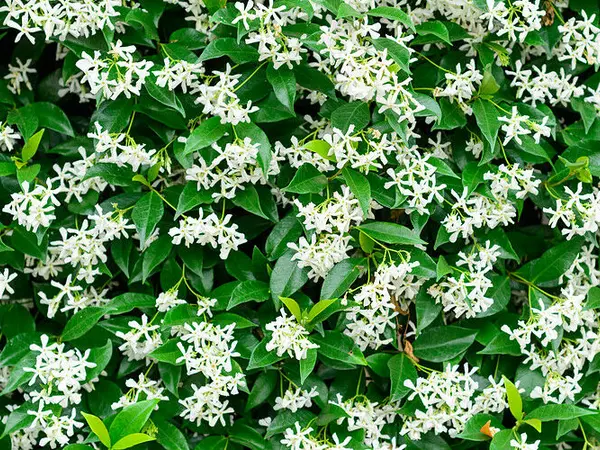
exceptionally pleasing to taste or smell; especially delicious or fragrant

pylon
[pay-lon]
a marking post or tower for guiding aviators, frequently used in races

atrocious
[uh-troh-shuhs]
horrifyingly bad or unpleasant

plaza
[plah-zuh]
a public square in a city or town.

heartened
[hart-uhnd]
made more cheerful or optimistic

bewitched
[b-ew-itch-ed]
enchanted or under a magical spell; also refers to being captivated or charmed.

schmooze
[shmooz]
to chat idly; gossip

brain-teaser
[brayn-tee-zer]
a challenging puzzle or problem requiring thought to solve

gallant
[gal-uhnt ]
brave, spirited, noble-minded, or chivalrous

puerile
[pyoo-er-il]
childishly foolish, immature, or trivial

obfuscate
[ob-fuh-skeyt, ob-fuhs-keyt]
to confuse, bewilder, or stupefy; to make obscure or unclear