annihilate
verbDefinition
What Makes This Word Tick
"Annihilate" is a word with an air of finality. It doesn't just mean to defeat or conquer - oh no, it's about complete and utter obliteration. The word carries an intensity that's almost cinematic, conjuring images of spectacular battles or meteors meeting unfortunate planets.
If Annihilate Were a Person…
Imagine a master chef who insists on nothing less than perfection. When something isn't up to their standards, they don't just send it back - they wipe the board clean and start anew. That's "annihilate" for you, a no-compromise, start-fresh kind of character.
How This Word Has Changed Over Time
While its core meaning remains unchanged, "annihilate" has evolved from heavy historical contexts, often used in war narratives, to everyday hyperbolic speech. Nowadays, your friend might use it to describe their prowess in a board game ("I totally annihilated him at Scrabble last night!"), proving its versatility.
Old Sayings and Proverbs That Use Annihilate
Though not often featured in traditional proverbs, the spirit of annihilation might be captured in sayings like "leave no stone unturned." It's all about thoroughness and leaving nothing behind.
Surprising Facts About Annihilate
Did you know "annihilate" has roots in the Latin word "annihilare," which means "to reduce to nothing"? It's a word with old-world gravitas that's found its place in modern vernacular. Moreover, in physics, annihilation refers to a process where particle and antiparticle pairs destroy each other, proving the word's dramatic flair extends to the universe's very fabric.
Out and About With This Word
In sports, the word has found a cozy home. You might hear it echoing through the stands when one team utterly dominates another. It's also a favorite among commentators describing a stunning knockout in boxing.
Pop Culture Moments Where Annihilate Was Used
Blockbuster movies featuring epic battles - think sci-fi or fantasy genres - love to throw this word around. Whether it's aliens attempting to annihilate humanity or superheroes promising to annihilate evil, it's a popular script staple.
The Word in Literature
In literature, "annihilate" might be found in the pages of dramatic novels where characters face life-altering decisions. It's been used by authors to describe devastating events with powerful impacts, leaving characters - and sometimes the readers - reeling.
Moments in History with Annihilate
During World War II, entire cities witnessed destruction that could only be described as annihilation. The word's weighty nature and stark imagery make it fitting for historical contexts where overwhelming force was used.
This Word Around the World
In French, the word "anéantir" carries a similar meaning, while in Spanish, you might say "aniquilar." Despite language barriers, the concept of complete destruction or negation is universally understood, reminding us that the concept of annihilation is a shared part of human experience.
Where Does It Come From?
"Annihilate" comes from the late Latin "annihilatus," meaning to bring to nothing. Over the centuries, it traveled through Middle English and into modern English, gaining some extra letters but keeping its intense meaning intact.
How People Misuse This Word
Sometimes, people use "annihilate" to describe situations that aren't quite as severe as the word suggests, like a lighthearted board game or a heated debate. The word's dramatic connotation can sometimes be lost in casual misuse.
Words It's Often Confused With
- Obliterate: Both imply complete destruction, but "obliterate" often suggests erasing something from memory or existence.
- Exterminate: Typically used for pests or population removal, not for generalized destruction.
- Devastate: Emotional or environmental destruction rather than physical.
Additional Synonyms and Antonyms
Synonyms include "destroy," "obliterate," and "exterminate." On the flip side, antonyms like "create," "build," and "preserve" stand in stark contrast to annihilation's absolute destruction.
Want to Try It Out in a Sentence?
"The small, scrappy team had no hope as their opponents annihilated them in the tournament finals, leaving the scoreboard empty."
Explore more words

fabricate
[fab-ri-keyt]
to make by art or skill and labor; construct
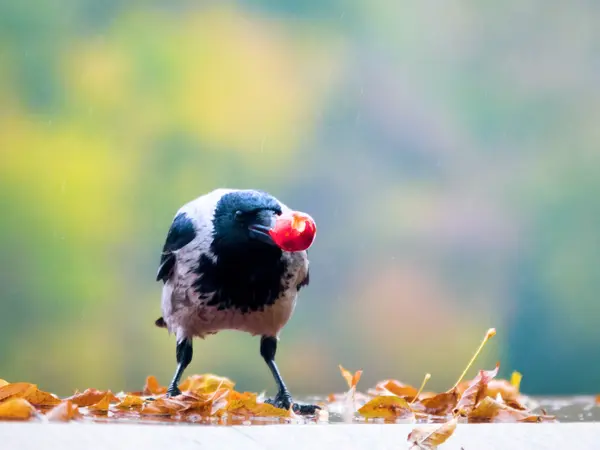
forage
[fawr-ij]
to search about; seek; rummage; hunt

derisive
[d-er-is-iv-e]
expressing ridicule or mockery; scornful in tone or behavior.

verdant
[vur-dnt]
green with vegetation; covered with growing plants or grass

defenestrate
[dee-fen-uh-streyt]
to suddenly remove (a person) from an important position or office
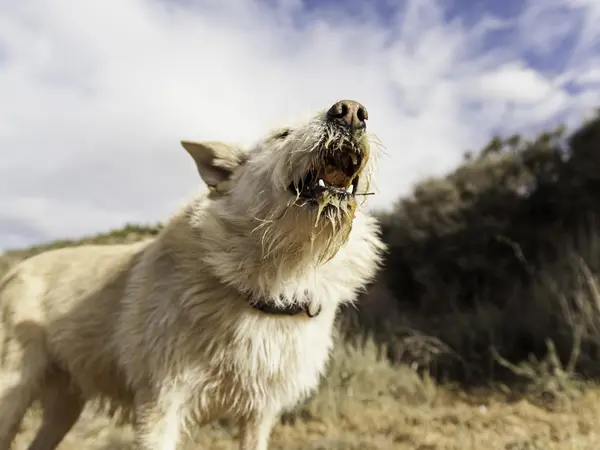
yelp
[yelp]
to give a quick, sharp, shill cry, as a dog or fox

balance
[bal-uhns]
an even distribution of weight enabling someone or something to remain upright and steady
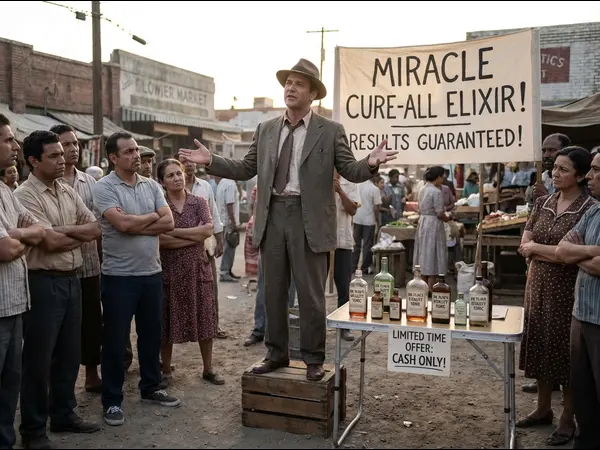
humbug
[huhm-buhg]
deceptive or false talk or behavior

vaccinate
[vak-suh-nayt]
to administer a vaccine to provide immunity

functional
[fuhngk-shuh-nl]
designed to be practical and useful

estranged
[ih-streynjd]
displaying or evincing a feeling of alienation; alienated
obfuscate
[ob-fuh-skeyt, ob-fuhs-keyt]
to confuse, bewilder, or stupefy; to make obscure or unclear

malapropism
[mal-uh-prop-iz-uhm]
an act or habit of misusing words ridiculously, especially by the confusion of words that are similar in sound
blemish
[bl-emi-ish]
an imperfection, flaw

harangue
[huh-rang ]
a scolding or a long or intense verbal attack; diatribe

accord
[uh-kord]
an agreement