plaza
nounDefinition
What Makes This Word Tick
A plaza is a public square in a city or town—an open gathering space that invites people to meet, pass through, or linger. The word suggests openness and shared civic life rather than private property. Compared with a marketplace, plaza emphasizes the space itself, even when no buying and selling is happening.
If Plaza Were a Person…
Plaza would be the friendly host who clears a big space and says, “Come in—there’s room.” They’re all about visibility and togetherness, with paths crossing naturally. Being around them feels social, like the city has a living room outdoors.
How This Word Has Changed Over Time
Plaza has stayed closely tied to the idea of an open public square used for gathering and city life. Modern usage keeps that civic-space meaning steady, often evoking a central, shared area.
Old Sayings and Proverbs
A proverb-style idea that fits plaza is that communities thrive when they have a shared place to meet face to face. This reflects the definition because a plaza is a public square meant for gathering.
Surprising Facts
Plaza often carries a built-in sense of scale: it implies a noticeably open area rather than a narrow passage. It can also signal community life—events, conversations, and casual encounters—without naming anything specific. In writing, the word can quickly make a setting feel public, central, and shared.
Out and About With This Word
You’ll see plaza in descriptions of city layouts, directions, and public life—places where people gather, rest, watch performances, or simply cross paths. It fits best when the location is an open public square rather than a street or a hidden corner.
Pop Culture Moments Where Plaza Was Used
In pop culture, plazas often appear as natural meeting points—public spaces where crowds form, announcements happen, or relationships intersect. That reflects the definition because a plaza is designed as an open, shared square. The concept helps stories bring characters together in plain sight.
The Word in Literature
In literary writing, plaza can anchor a scene in public visibility, where private moments happen under open sky and social rules. It can create a sense of community pressure or communal warmth, depending on what unfolds there. For readers, the word suggests openness, foot traffic, and a place where stories naturally cross.
Moments in History with Plaza
Throughout history, plazas fit settings where civic life gathers in shared open spaces—announcements, celebrations, markets, and everyday meetings. This matches the definition because a plaza is a public square built for community presence. The concept appears wherever cities center themselves around common ground.
This Word Around the World
Many languages have direct terms for a public square, often emphasizing openness and communal gathering in a central place. The shared concept stays consistent: a town or city’s common outdoor space.
Where Does It Come From?
Plaza comes through Spanish with a sense of “public square,” traced here further back to a Latin idea of a broad street or open area. That origin matches the modern meaning because the word still names a wide, shared space in a town or city.
How People Misuse This Word
Plaza is sometimes used for any open area near buildings, but it specifically points to a public square in a city or town. If the space is private or enclosed, courtyard or lobby may be more accurate.
Words It’s Often Confused With
Plaza is often confused with alley, but an alley is narrow and passage-like, while a plaza is open and square-like. It can also overlap with square, though plaza often carries a stronger sense of an organized civic gathering space.
Additional Synonyms and Antonyms
Additional Synonyms: town square, public square, civic square Additional Antonyms: passageway, lane, corridor
Want to Try It Out in a Sentence?
"They gathered in the plaza to watch the live performance."
Explore more words
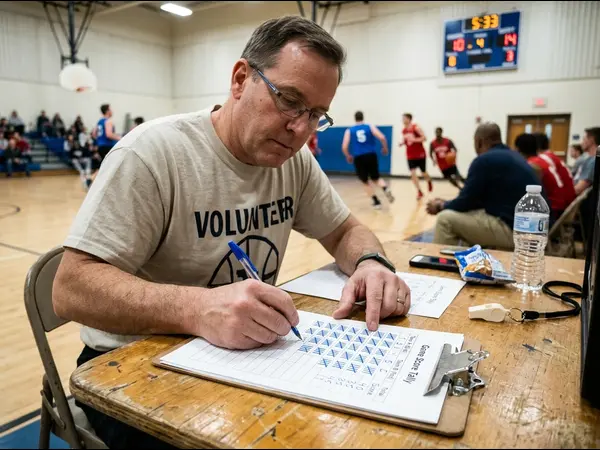
tally
[tal-ee]
a total count or score
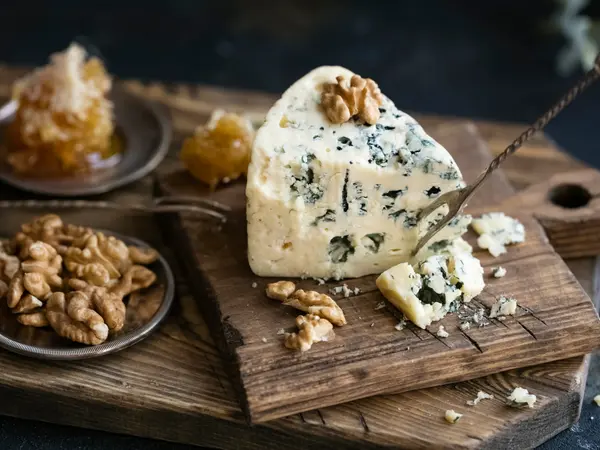
pungent
[puhn-juhnt]
sharply affecting the organs of taste or smell, as if by a penetrating power; biting; acrid

nettle
[net-l]
to irritate, annoy, or provoke

iconoclast
[ic-ono-ast]
one who attacks common beliefs or institutions

unabashed
[uhn-uh-basht]
not ashamed, disconcerted, or apologetic; boldly certain of one's position

humility
[hyoo-mil-i-tee]
the quality of having a modest or low view of one’s importance

licit
[lis-it]
legal; lawful; legitimate; permissible

fortuitous
[fawr-too-i-tuhs]
happening or produced by chance; accidental

bemuse
[bih-myooz]
to bewilder or confuse

verisimilitude
[ver-uh-si-mil-i-tood]
the appearance of truth; the quality of seeming to be true
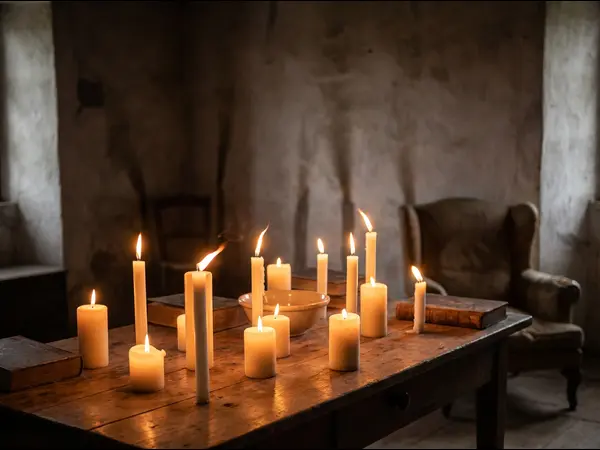
flicker
[flik-er]
to shine unsteadily or briefly

recondite
[ri-kon-dahyt]
dealing with very profound, difficult, or abstruse subject matter

assiduous
[uh-sij-oo-uhs]
constant in application or effort; working diligently at a task; persevering; industrious; meticulous

solipsism
[sol-ip-siz-uhm]
the theory that only the self exists, or can be proved to exist
deplete
[dih-pleet]
to decrease seriously or exhaust the abundance or supply of

gurn
[gurn]
make a comically or repulsively ugly face