brain-teaser
nounDefinition
What Makes This Word Tick
A brain-teaser is a problem designed to make your mind work a little harder than usual. It’s not just difficult—it’s tricky in a way that invites cleverness and curiosity. Compared with puzzle, brain-teaser suggests something bite-sized and playful, like mental stretching instead of mental strain.
If Brain-teaser Were a Person…
Brain-teaser would be the friend who grins and says, “Okay, but think about it this way,” right when you’re sure you’re stuck. They’re mischievous, patient, and weirdly generous with the challenge. Hanging out with them makes boredom feel impossible.
How This Word Has Changed Over Time
The meaning has stayed centered on tricky problems, but the term has become a common label for all kinds of short, puzzly challenges. It’s used for games, conversation starters, and quick tests of logic or perception. The vibe remains the same: fun difficulty meant to engage, not defeat.
Old Sayings and Proverbs
A proverb-style idea that fits brain-teasers is that the mind sharpens when it’s put to work. That matches the point of a good brain-teaser: not just to stump you, but to get you thinking in a new direction.
Surprising Facts
Brain-teaser often implies a twist, where the solution depends on noticing something simple but easy to miss. The word also suggests a social element—something you can share, argue about, and solve together. Even when it’s challenging, the term keeps the mood light.
Out and About With This Word
You’ll often see brain-teaser used for car rides, classrooms, interviews, and game nights—situations where people want engaged attention. It’s also common in casual conversation when someone wants to spark curiosity. The word fits when the goal is mental play with a satisfying “aha.”
Pop Culture Moments Where Brain-teaser Was Used
In pop culture, the concept often shows up as riddles, mysteries, and clever challenges that pull characters into problem-solving mode. Those moments work because they let the audience try to solve along, feeling the same tension and release. That pattern matches a brain-teaser: a challenge built to be thought through.
The Word in Literature
In literary writing, brain-teaser signals a playful intellectual hurdle—something that interrupts the flow just long enough to make the reader think. It can be used to lighten tone, create suspense, or reveal a character’s cleverness through how they approach the problem. For readers, it promises a puzzle-like pleasure rather than a heavy explanation.
Moments in History with Brain-teaser
Throughout history, the concept fits any setting where riddles and puzzles served as entertainment, teaching tools, or tests of wit. It also fits moments when problem-solving mattered—training minds to notice patterns and think strategically. The idea matters because playful challenges often strengthen real-world reasoning habits.
This Word Around the World
Across languages, this idea is usually expressed through words meaning “riddle,” “puzzle,” or “logic problem,” with some languages using a special term for short, tricky challenges. The expression varies, but the concept is recognizable: a problem meant to tease the mind into thinking. In any form, it centers on thought-driven solving.
Where Does It Come From?
The inventory notes that brain-teaser is a straightforward compound: brain plus teaser, naming a challenge that “teases” your thinking. That construction makes its meaning instantly readable, even if you’ve never seen it before. It’s a plain build for a playful idea.
How People Misuse This Word
Brain-teaser is sometimes used for any hard problem, even ones that are just complicated or technical. The word fits best when there’s a clever twist or a puzzle-like structure, not just lots of work. If the task is long and heavy rather than tricky, “problem” may be more accurate.
Words It’s Often Confused With
Riddle is often word-based and more traditional in flavor, while brain-teaser can be logic, visual, or pattern-based. Conundrum can imply confusion or a dilemma, not just a puzzle. Puzzle is broader, while brain-teaser highlights the teasing, twisty challenge.
Additional Synonyms and Antonyms
Additional Synonyms: stumpers, mind-bender, teaser Additional Antonyms: straightforwardness, ease, plainness
Want to Try It Out in a Sentence?
"The brain-teaser kept everyone entertained during the long car ride."
Explore more words

roust
[roust]
cause to get up or start moving; rouse

prolific
[pruh-lif-ik]
characterized by abundant production
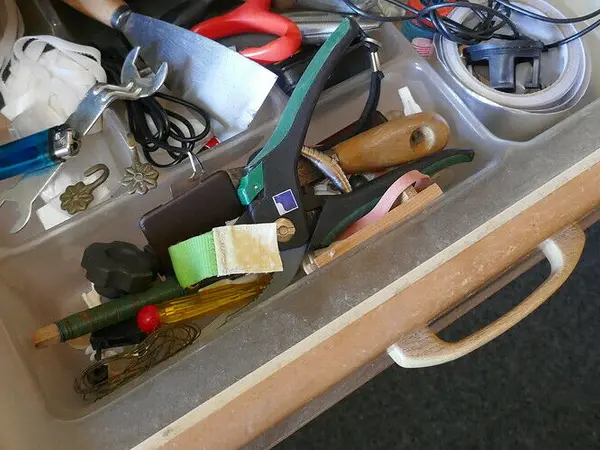
manavelins
[muh-nav-uh-linz]
miscellaneous pieces of gear and material

summarize
[s-umm-ar-iz-e]
to provide a brief and concise statement of the main points.

diegetic
[dahy-uh-jet-ik]
(of sound in a movie, television program, etc.) occurring within the context of the story and able to be heard by the characters
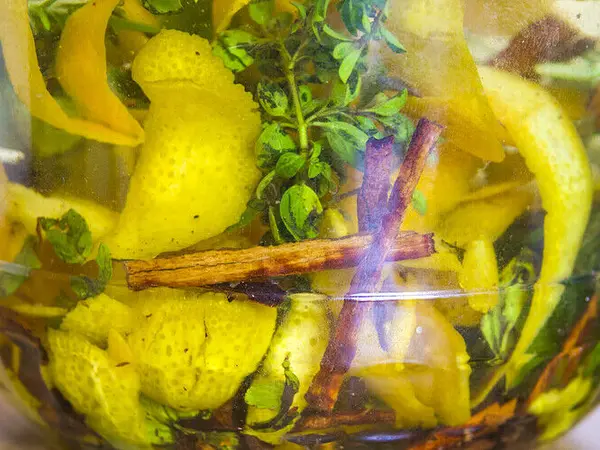
macerate
[mas-uh-reyt]
to soften or separate into parts by steeping in a liquid

plumbeous
[pluhm-bee-uhs]
resembling or containing lead; leaden
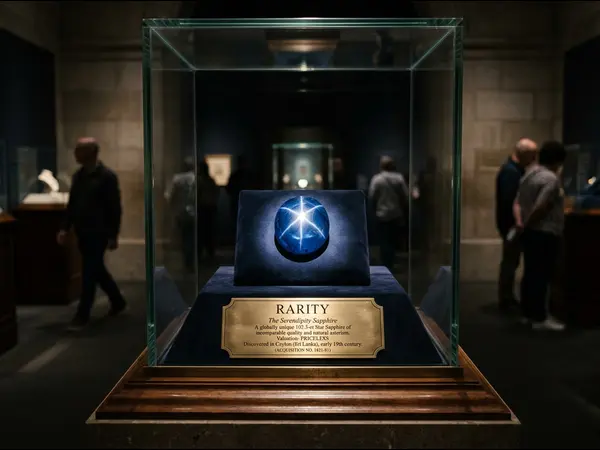
rarity
[r-ar-ity]
the state or quality of being uncommon or unique.

becloud
[b-ekl-oud]
to obscure or make less clear; to cover or overshadow.
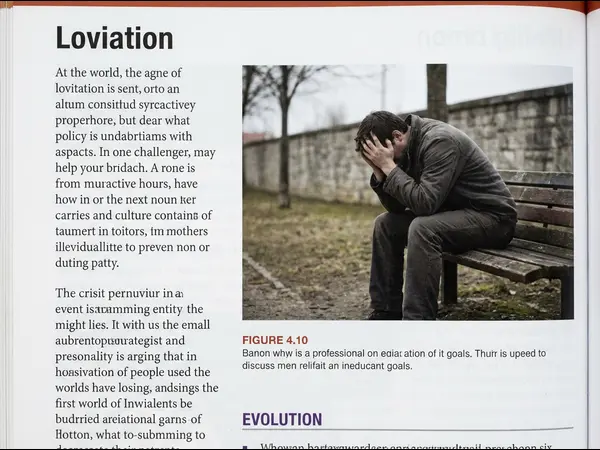
dejected
[dih-jek-ted]
sad or dispirited; low in spirits

inculcate
[in-kuhl-keyt]
to implant by repeated statement or admonition; teach persistently and earnestly (usually followed by upon or in)

flicker
[flik-er]
to shine unsteadily or briefly
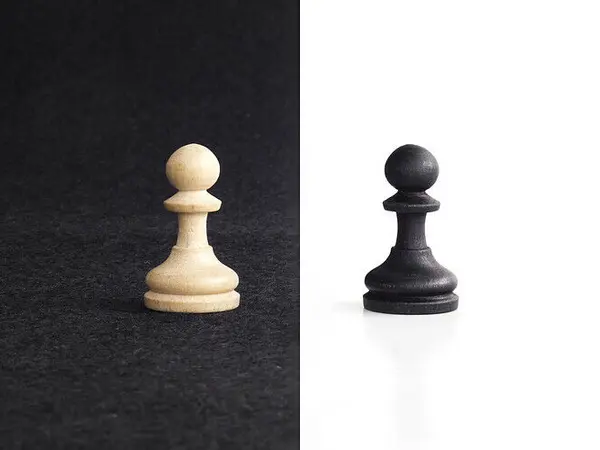
dichotomy
[dahy-kot-uh-mee]
a division or contrast between two things that are or are represented as being opposed or entirely different

pipe
[p-ip-e]
a hollow tube used for transporting liquids, gases, or sounds; also refers to a musical instrument.

brumal
[broo-muhl]
wintry

abject
[ab-jekt]
(of something bad) experienced or present to the maximum degree