
pylon
nounDefinition
What Makes This Word Tick
"Pylon" is a term that might bring up visions of towering structures and long power lines. At its core, this word conveys the idea of support and stability, often used to describe large structures that carry electrical cables. It's a sturdy, practical word that grounds itself in the physical world.
If Pylon Were a Person…
Imagine Pylon as a steadfast and reliable friend, always there to lend support and carry heavy loads without complaint. You wouldn't find Pylon taking the spotlight, but rather providing the infrastructure for others to shine. This dependable character would likely be an engineer or a construction foreman, with a penchant for hard hats and utility vests.
How This Word Has Changed Over Time
Once upon a time, "pylon" huddled among the pages of ancient Greek texts, referring to monumental gateways or towers. Over time, its usage evolved, and in the modern world, it's primarily linked with the skeletal towers that march across the landscape, bearing power lines or marking runways on an airfield.
Old Sayings and Proverbs That Use Pylon
While the ancient world may not have had a specific proverb for "pylon," they definitely valued foundational structures and gateways. Imagine if they had such sayings as “Build like a pylon; stand through storms” – a proverb that tips its hat to resilience and strength.
Surprising Facts About Pylon
Did you know the term "pylon" also stands tall in the sporting world? In American football, pylons mark the corners of the end zone, acting as crucial markers for touchdowns. They might not be towering, but they do make a significant impact on the game's outcomes.
Out and About With This Word
Next time you're on a road trip, keep an eye out for electrical pylons dotting the countryside. They often stand in close-knit groups, linked by miles of cable, and could make one ponder the intricate web of connections that power our daily lives.
Pop Culture Moments Where Pylon Was Used
"Pylon" takes a turn in the spotlight in rock music with the band named Pylon, which was an influential part of the post-punk music scene in the late 1970s and early 1980s. Their music built bridges to the burgeoning new wave scene, adding another meaning to “pylon” in popular culture.
The Word in Literature
You'd find "pylon" quietly anchoring itself in industrial or technical literature. It's not the most poetic of words, but in a novel about the building of a city or the infrastructure of our modern age, it stands proud and necessary.
Moments in History with Pylon
Think of the monumental constructions of ancient Egypt, with grand pylons marking the entrances of temples. These weren't just structural necessities but symbols of power and permanence that have echoed through history, much like the long lines of modern pylons binding geography with electricity.
This Word Around the World
In the UK, "pylon" readily evokes those towering steel structures carrying electricity across the countryside. Meanwhile, in France, "pylône" conjures up the same images, although those structures may also denote telecommunications and radio towers.
Where Does It Come From?
The origins of "pylon" can be traced back to the Greek word "pylōn," which referred to a monumental gateway or tower. This etymology is fitting, as both the ancient and modern uses of "pylon" deal with structures that stand tall and carry great significance, whether material or symbolic.
How People Misuse This Word
Sometimes "pylon" gets mistakenly used interchangeably with “tower,” despite their distinct nuances. While all pylons are towers, not all towers serve as pylons carrying those vital cables or marking crucial zones.
Words It's Often Confused With
- Tower: While both involve tall structures, not every tower functions as a pylon.
- Beacon: Another tall structure, but it signals rather than supports cables or zones.
- Pole: Tall and slender, poles carry lines but lack the grand structure of a pylon.
Additional Synonyms and Antonyms
- Synonyms: Tower, mast, post
- Antonyms: Ground, base, root
Want to Try It Out in a Sentence?
As we navigated the winding country roads, the endless parade of pylons reminded us of the unseen energy that courses through their towering frames, connecting distant corners of the land.
Explore more words

manavelins
[muh-nav-uh-linz]
miscellaneous pieces of gear and material

remunerative
[ri-myoo-ner-uh-tiv]
affording remuneration; profitable

dissemble
[dih-sem-buhl]
to give a false or misleading appearance to; conceal the truth or real nature of

admixture
[ad-mix-cher]
a mixture or combination of different things

suffuse
[suh-fyooz]
to overspread with or as with a liquid, color, etc.

charlatan
[shahr-luh-tn]
a person who pretends or claims to have more knowledge or skill than he or she possesses; quack

luminary
[loo-muh-ner-ee]
a body, object, etc. that gives light

buttery
[buht-er-ee]
having the taste or texture of butter
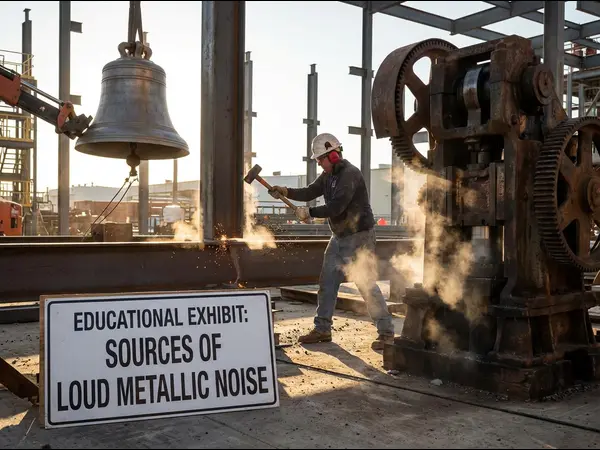
clangor
[klang-er]
a loud, resonant sound

fabricate
[fab-ri-keyt]
to make by art or skill and labor; construct

ostensible
[o-sten-suh-buhl]
outwardly appearing as such; professed; pretended

pragmatism
[prag-muh-tiz-uhm]
character or conduct that emphasizes practicality

obtuse
[uhb-toos]
not quick or alert in perception, feeling, or intellect; not sensitive or observant; dull

torque
[tawrk]
the ability of an element that rotates, like a gear or shift, to overcome resistance

tally
[tal-ee]
a total count or score

hamartia
[hah-mahr-tee-uh]
a fatal flaw leading to the downfall of a tragic hero or heroine