forestall
verbDefinition
What Makes This Word Tick
"Forestall" is an action-packed word that implies taking measures to preemptively prevent something from happening. It's like setting up an umbrella before stepping out to head off an unexpected rain shower. It speaks to the strategic mind, always a step ahead of potential issues.
If Forestall Were a Person…
If "forestall" were a person, they'd be that proactive neighbor who always has a stockpile of canned goods before a snowstorm hits. Efficient and perhaps a little clairvoyant, they'd be the first to spot signs of trouble and take action before the rest of us even notice the clouds gathering.
How This Word Has Changed Over Time
Historically, "forestall" has maintained its roots in prevention and preemption. Originating in the Middle English era, it used to mean intercepting goods to keep them from reaching the market. Pretty cunning, right? These days, it's more about stopping events in their tracks rather than goods.
Old Sayings and Proverbs That Use Forestall
Though not overflowing with proverbs, the essence of "forestall" resonates with sayings like "an ounce of prevention is worth a pound of cure." It's all about taking small steps now to avoid bigger problems later.
Surprising Facts About Forestall
Did you know that "forestall" once had legal implications in England? It was illegal to "forestall" the market, meaning to buy up goods before they reached the market to inflate prices. What a delicious bit of medieval economy!
Out and About With This Word
You might not hear "forestall" thrown around at the local diner, but it's definitely a handy tool in legal docs, corporate meetings, and strategic planning sessions. It's the word you'd use when you're bragging about how you stopped a problem before it even started.
Pop Culture Moments Where Forestall Was Used
This isn't exactly a Hollywood star, but "forestall" could pop up in spy thrillers and political dramas. Anytime a character halts a nefarious scheme just in the nick of time, they're essentially forestalling disaster.
The Word in Literature
In literature, "forestall" is your go-to for suspense and high-stakes scenarios. It's perfect for stories where the hero has to act quickly to avert disaster. Think of it as a word that thrives on the edge of chaos.
Moments in History with Forestall
The Cuban Missile Crisis was a real-world thematically similar event, where quick and strategic actions forestalled what could have been a catastrophic outcome. The stakes were as high as they get, with the world holding its breath.
This Word Around the World
Different languages have their own take on "forestall." In French, you might hear "prévenir," which also has that preemptive flair. The sentiment is universal: a little action now can save a lot of trouble later.
Where Does It Come From?
The origins of "forestall" trace back to the combination of "fore," meaning before, and "stall," meaning to stop. Picture an early warning system on horseback, alerting folks to impending travel issues on the road.
How People Misuse This Word
People sometimes misuse "forestall" when they simply mean to delay something. Forestalling isn't just about postponement; it's about taking action to prevent something from happening altogether.
Words It's Often Confused With
- Prevent: While similar, prevent is more general. Forestall implies a preemptive strike.
- Delay: Simply putting off something doesn't quite capture forestall's proactive essence.
- Avert: Shares the same goal but doesn't emphasize the act of preemptive action as vividly.
Additional Synonyms and Antonyms
Some synonyms include avert, prevent, preclude, and thwart. Antonyms include allow, permit, and facilitate-those pesky enablers of chaos!
Want to Try It Out in a Sentence?
Here's a classic: "The early frost was forestalled by a sudden warming trend, much to the relief of local farmers." Now go ahead and start forestalling your next would-be disaster!
Explore more words

fledgling
[flej-ling]
young, new, or inexperienced
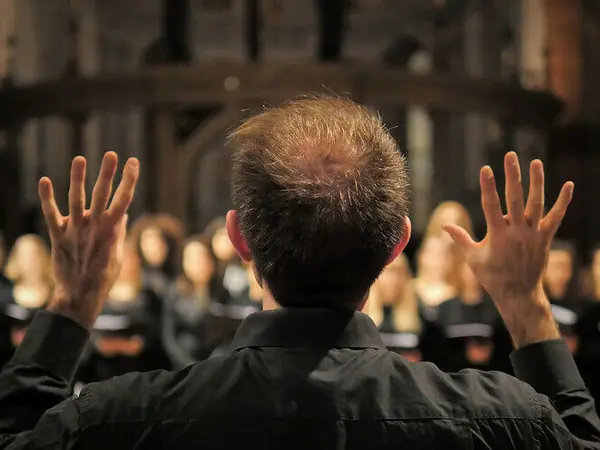
kapellmeister
[kah-pel-mahy-ster]
the leader or conductor of an orchestra or choir

drowse
[drouz]
to be sleepy or half-asleep
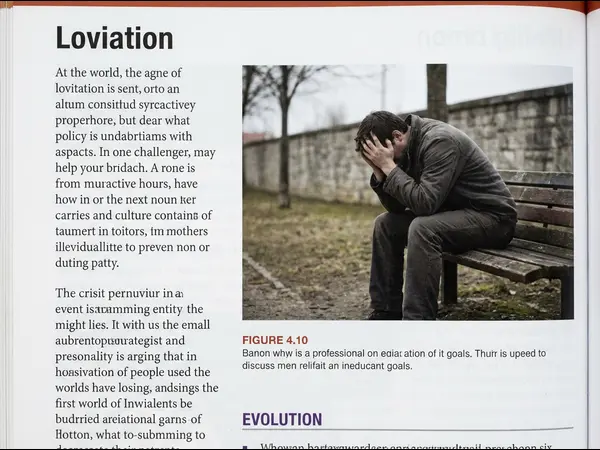
dejected
[dih-jek-ted]
sad or dispirited; low in spirits
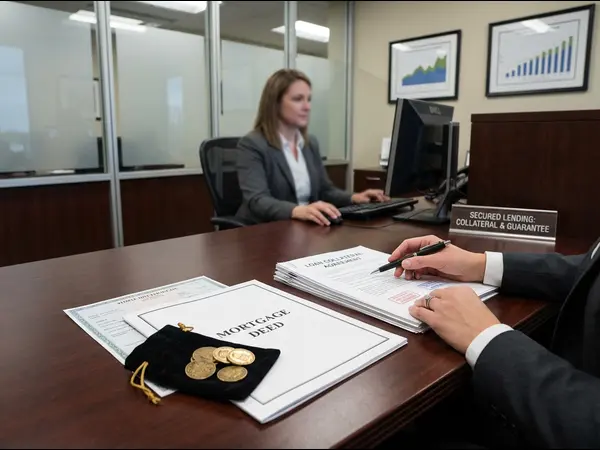
collateral
[co-lla-ral]
secondary

pharaonic
[fair-ey-on-ik]
impressively or overwhelmingly large, luxurious, etc.

whet
[wet]
to make keen or eager; stimulate

evince
[ev-inc-nce]
to show, reveal

remunerative
[ri-myoo-ner-uh-tiv]
affording remuneration; profitable

gurn
[gurn]
make a comically or repulsively ugly face

pragmatism
[prag-muh-tiz-uhm]
character or conduct that emphasizes practicality
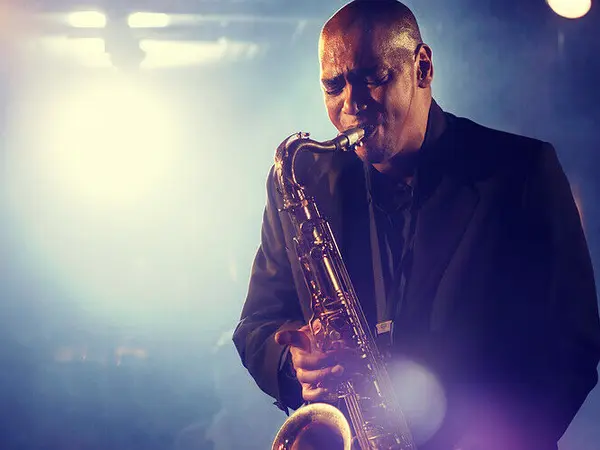
innate
[ih-neyt]
inherent in the essential character of something
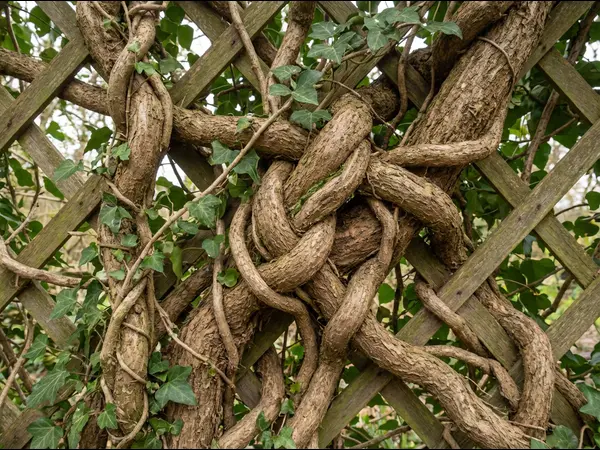
entwine
[en-twyn]
to twist or coil something around another
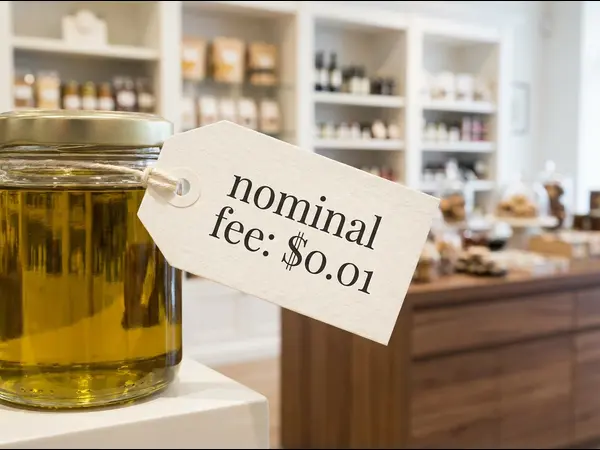
nominal
[no-min-nal]
trifling, insignificant
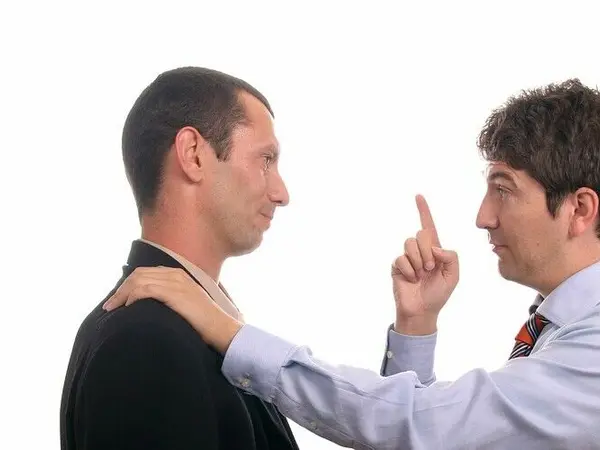
admonish
[ad-mon-ish]
to caution, advise, or counsel against something

accredit
[uh-kred-it]
to officially recognize or approve