
whet
verb, verbDefinition
What Makes This Word Tick
"Whet" is a charming little verb that means to sharpen or stimulate. You might whet a knife before using it to mince those onions, or you might whet your appetite with a delightful appetizer before the main course. It's all about making something better suited for its purpose, which makes it both practical and a bit adventurous.
If Whet Were a Person…
If "whet" were a person, they'd be that enthusiastic friend who rallies everyone for a game of pickleball right when you're all feeling a bit too relaxed after brunch. Energetic and engaging, they keep the conversation lively and ensure no one falls into a food coma before dessert.
How This Word Has Changed Over Time
Originally from Old English, "whet" has sharpened its focus over centuries from just honing blades to priming all sorts of appetites and desires. While its roots have always been practical, it has taken on more metaphorical roles in modern times, proving that sometimes words, like people, grow more versatile with age.
Old Sayings and Proverbs That Use Whet
One old saying suggests that “brevity is the soul of wit, and wit can whet the appetite for wisdom.” It reminds us that sharpness isn't just about cutting edges but also enhancing understanding and curiosity.
Surprising Facts About Whet
Here's a tidbit: while "whet" is often seen sharpening up culinary or intellectual preparations, calligraphy enthusiasts might find it particularly important. A whetstone is crucial for keeping those fancy fountain pens in tip-top shape for beautiful handwriting.
Out and About With This Word
Next time you're in town, visit a farmer's market and you might find a knife vendor demonstrating how to whet various blades. They know just the right angle and pressure to use, making an art out of practicality.
Pop Culture Moments Where Whet Was Used
"Whet" had a cheeky spotlight when it appeared in a commercial for a certain potato chip brand, enticing viewers with the crisp sound that whetted their thirst for the salty snack. Who knew sharpening cravings could be so effective in advertising?
The Word in Literature
"Whet" often appears in literature when describing the preparatory moments before a crucial action or decision. You might find it in a spy thriller where an agent whets their resolve before a daring mission, or in historical fiction, setting the scene for a blacksmith sharpening swords before battle.
Moments in History with Whet
Think of Paul Revere, feverishly whetting both his scout's sword and the colonists' alertness with his midnight ride warnings. His actions sharpened the resolve of many, demonstrating how a simple act of preparation can change the course of history.
This Word Around the World
In Japan, whetstones are known as "toishi," and sharpening blades is a respected craft. These stones are used with water to make sure sushi knives are perpetually ready to glide through the freshest fish, keeping culinary traditions alive and whetted to perfection.
Where Does It Come From?
The word originates from the Old English "hwettan," making it quite the seasoned veteran in the English language. Its roots connect with other Germanic languages, all carrying the essence of making things keen and ready for use.
How People Misuse This Word
Some might use "whet" when they mean "wet," especially in phrases like "whet your whistle," which is likely a fusion of both. While one stirs desire or sharpens focus, the other might simply leave you drenched!
Words It's Often Confused With
- Wet: Often misheard in the phrase "whet your whistle," though "wet" simply means drenched.
- Wheat: A simple slip of the tongue can lead one from sharpening desires to talking about grains.
Additional Synonyms and Antonyms
Synonyms for "whet" include hone, sharpen, and stimulate. As for antonyms, you might consider dull, blunt, or diminish - none of which sound particularly inspiring!
Want to Try It Out in a Sentence?
"The chef used a whetstone to whet his favorite knife, ensuring it could slice through the roast effortlessly, whetting the diners' appetites with anticipation."
Explore more words

harlequin
[hahr-luh-kwin]
fancifully varied in color, decoration, etc.

chthonic
[tha-nik]
of or relating to the deities, spirits, and other beings dwelling under the earth

blend
[bl-end]
to mix different substances or elements to form a unified whole.
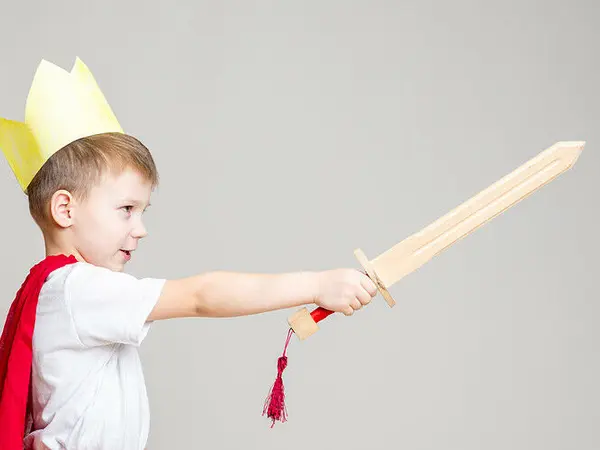
czar
[zahr]
a person of great power

puerile
[pyoo-er-il]
childishly foolish, immature, or trivial

pontificate
[pon-tif-i-keyt]
express one's opinions in a way considered annoyingly pompous and dogmatic
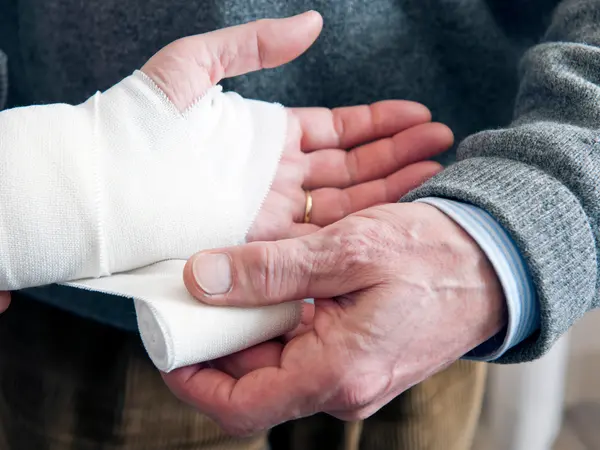
swathe
[swoth]
to wrap, bind, or swaddle with bands of some material; wrap up closely or fully

sartorial
[sahr-tawr-ee-uhl]
of or relating to clothing or style or manner of dress

nettle
[net-l]
to irritate, annoy, or provoke

tiger
[tahy-ger]
a large, wild cat that lives in asia and usually has orange fur with black stripes

cacophony
[kuh-kof-uh-nee]
a harsh discordant mixture of sounds
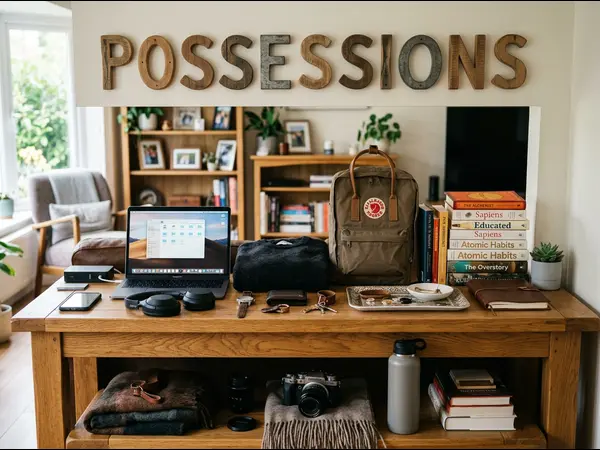
possessions
[puh-zesh-uns]
items that someone owns

complacency
[kuhm-pley-suhn-see ]
a feeling of quiet pleasure or security, often while unaware of some potential danger, defect, or the like; self-satisfaction or smug satisfaction with an existing situation, condition, etc.

cravat
[kruh-vat]
a short, wide strip of fabric worn by men around the neck and tucked inside an open-necked shirt

kvetch
[kvech]
to complain, especially chronically

cachinnate
[kak-uh-neyt]
to laugh loudly or immoderately