
entwine
verbDefinition
What Makes This Word Tick
Entwine means to twist or wind things together so that they become closely connected. It emphasizes interlacing movement and shared space. Compared with intertwine, entwine can sound slightly more poetic but carries the same core idea of twisting together.
If Entwine Were a Person…
Entwine would be the gentle matchmaker who brings separate strands together until they move as one. They believe connection grows stronger through closeness. Their touch weaves separate paths into a single braid.
How This Word Has Changed Over Time
Entwine has kept its literal meaning of twisting together while also developing figurative uses for relationships, stories, or ideas that become linked. The sense of closeness through interweaving remains consistent. It often appears in descriptive or poetic contexts.
Old Sayings and Proverbs
A proverb-style idea that matches entwine is that lives can become woven together over time. This reflects the image of strands twisting into unity.
Surprising Facts
Entwine works both literally, as with ropes or vines, and figuratively, as with emotions or destinies. The word carries a slightly romantic or lyrical tone compared with more technical terms. It often suggests harmony as well as connection.
Out and About With This Word
You’ll most often see entwine in descriptive writing about plants, hands, or symbolic connections. It appears in contexts that highlight closeness and unity. The word brings movement and intimacy to a sentence.
Pop Culture Moments Where Entwine Was Used
In pop culture storytelling, entwined paths or destinies often signal characters whose lives become deeply connected. The term reflects the definition because the imagery is one of strands bound together.
The Word in Literature
In literature, entwine frequently appears in romantic or symbolic passages. Writers use it to suggest unity, fate, or emotional closeness. The word adds softness and fluid motion to imagery.
Moments in History with Entwine
The concept behind entwine appears wherever physical or symbolic bonds are formed. It fits because the emphasis is on connection through shared movement.
This Word Around the World
Many languages have verbs meaning to twist together or weave. Translating entwine requires preserving both the physical image and the suggestion of close connection.
Where Does It Come From?
Entwine combines the prefix en-, meaning in or within, with twine, meaning to twist. Its roots clearly reflect the idea of strands winding together.
How People Misuse This Word
Entwine is sometimes used where simple contact is meant, but it implies twisting or winding together, not just touching. If no interlacing occurs, connect or join may be more accurate.
Words It’s Often Confused With
Entwine is often confused with intertwine, which carries the same core meaning but may sound slightly more formal. It’s also close to braid, which suggests a specific patterned weaving. Coil overlaps in twisting motion, though it does not necessarily imply two things winding together.
Additional Synonyms and Antonyms
Additional Synonyms: weave, interlace, wind, entwist Additional Antonyms: detach, disentangle, divide, untwist
Want to Try It Out in a Sentence?
"The vines began to entwine around the old fence."
Explore more words

insipid
[in-sip-id]
without distinctive, interesting, or stimulating qualities; vapid

concatenate
[kon-kat-n-eyt]
link (things) together in a chain or series
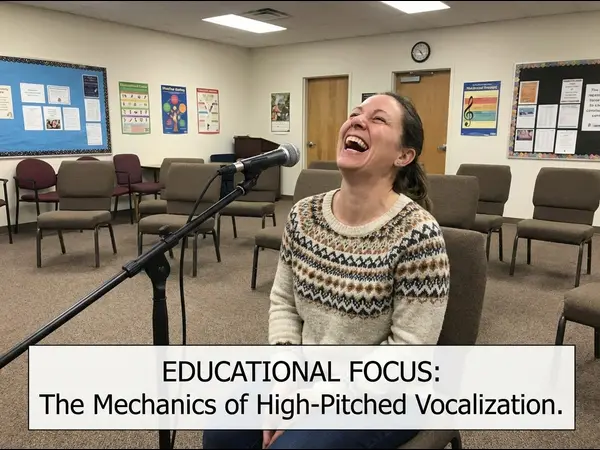
cackle
[k-akl-e]
to laugh in a high-pitched, often unpleasant manner; also refers to the sound made by chickens.

bumptious
[buhmp-shuhs]
offensively self-assertive

toplofty
[top-lawf-tee, -lof-]
condescending; haughty

schadenfreude
[shahd-n-froi-duh]
satisfaction or pleasure felt at someone else's misfortune

whet
[wet]
to make keen or eager; stimulate
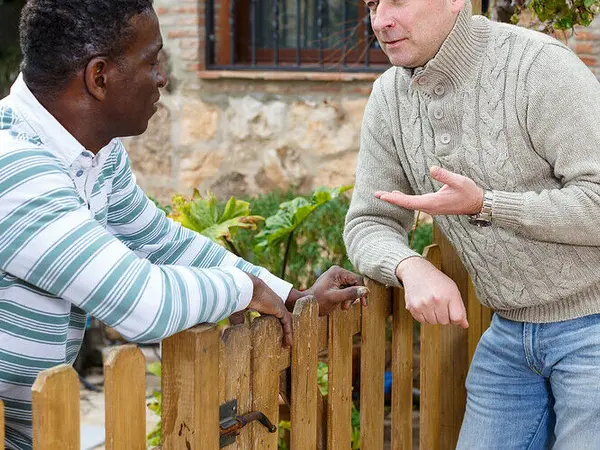
kith
[kith]
acquaintances, friends, neighbors, or the like; persons living in the same general locality and forming a more or less cohesive group

bypass
[bye-pass]
to avoid or go around something
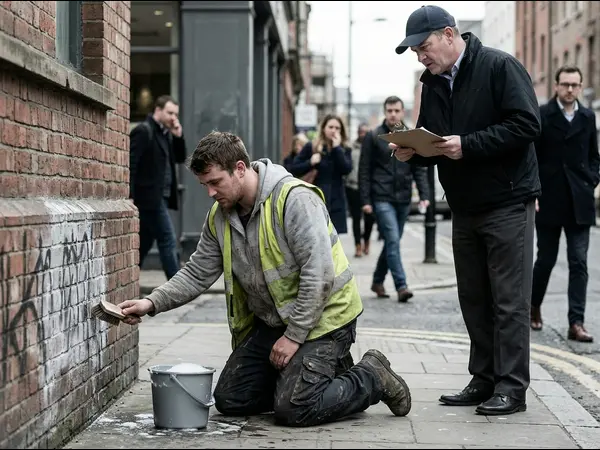
degrading
[dih-gray-ding]
causing a loss of dignity or respect

cacophony
[kuh-kof-uh-nee]
a harsh discordant mixture of sounds
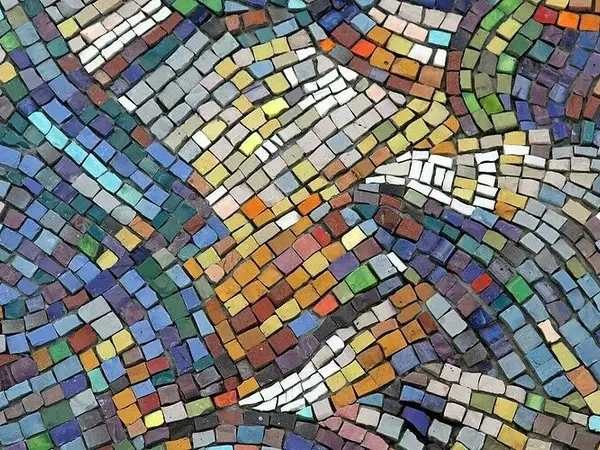
mosaic
[moh-zey-ik]
a picture or decoration made of small, usually colored pieces of inlaid stone, glass, etc.

rouse
[rouz]
to stir or incite to strong indignation or anger

stalactite
[stuh-lak-tahyt]
a deposit, usually of calcium carbonate, shaped like an icicle, hanging from the roof of a cave or the like, and formed by the dripping of percolating calcareous water
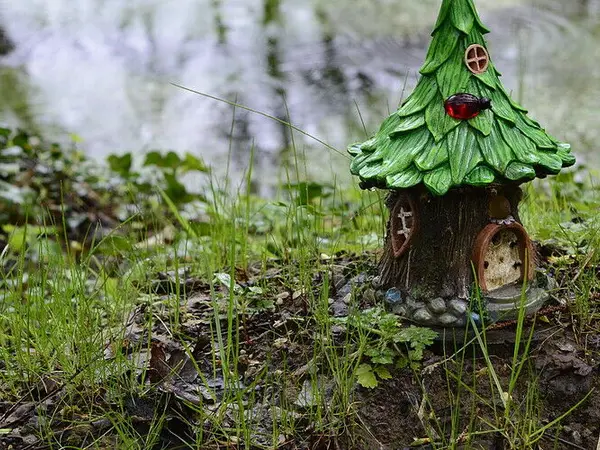
sprite
[sprahyt]
(in folklore) an elf, fairy, or goblin
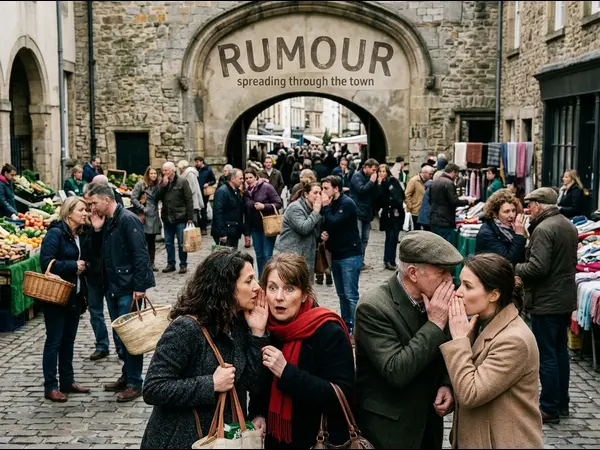
rumour
[roo-mur]
a circulating story or report of uncertain truth