falsity
nounDefinition
What Makes This Word Tick
Falsity refers to the state of being untrue or incorrect, or to a specific false statement. It highlights a gap between what is said and what is real. Compared with mistake, falsity can suggest deliberate deception rather than simple error.
If Falsity Were a Person…
Falsity would be the smooth talker whose words sound convincing but don’t match the facts. They create illusions that crumble under scrutiny. Their presence makes others double-check what they hear.
How This Word Has Changed Over Time
Falsity has consistently described untruth or deception across centuries of English use. While modern speech may favor words like lie or misinformation, falsity retains a formal tone suited to analysis and investigation. Its core meaning has remained stable.
Old Sayings and Proverbs
A proverb that connects to falsity is “A lie has no legs,” meaning falsehood cannot stand for long. This mirrors the idea that falsity is ultimately exposed when tested against truth.
Surprising Facts
Falsity can refer to both a single incorrect claim and a broader condition of being false. It often appears in legal or formal writing where precision about truth matters. The word tends to signal careful evaluation rather than casual disagreement.
Out and About With This Word
You’ll encounter falsity in investigative reports, academic critiques, and discussions about credibility. It fits when someone aims to demonstrate that a statement or belief does not match reality. The tone is usually analytical and measured.
Pop Culture Moments Where Falsity Was Used
In pop culture, the exposure of falsity often drives dramatic turning points, when hidden lies are uncovered. This reflects the definition because the tension centers on revealing what is untrue.
The Word in Literature
In literature, falsity frequently appears in themes of deception and moral conflict. Writers use it to underline the contrast between appearance and truth. The word adds a formal tone to discussions of honesty and integrity.
Moments in History with Falsity
The concept of falsity has played a role in historical moments where misinformation or deception shaped public understanding. It applies whenever truth is contested or corrected.
This Word Around the World
Most languages have direct equivalents meaning falsehood or untruth. The nuance often depends on whether the emphasis is on error or intentional deception.
Where Does It Come From?
Falsity comes from Latin falsitas, meaning falsehood or deception. Its roots firmly connect it to ideas of inaccuracy and deliberate untruth.
How People Misuse This Word
Falsity is sometimes used for simple disagreement, but it specifically means something is untrue, not merely disputed. If the issue is interpretation rather than factual accuracy, misunderstanding may be a better term.
Words It’s Often Confused With
Falsity is often confused with mistake, but a mistake can be accidental while falsity may imply deception. It’s also close to lie, which is more direct and informal. Inaccuracy overlaps strongly, though it may lack the implication of deliberate untruth.
Additional Synonyms and Antonyms
Additional Synonyms: fabrication, deceit, distortion, misrepresentation Additional Antonyms: honesty, authenticity, reliability, correctness
Want to Try It Out in a Sentence?
"The investigation revealed the falsity of the rumor."
Explore more words

fatuous
[fach-oo-uhs]
foolish or inane, especially in an unconscious, complacent manner; silly; witless

writhe
[rahyth]
to shrink mentally in discomfort or embarrassment.

beguile
[bih-gahyl]
to pass time pleasantly

caustic
[kaw-stik ]
capable of burning, corroding, or destroying living tissue.

beseech
[bih-seech]
to implore urgently
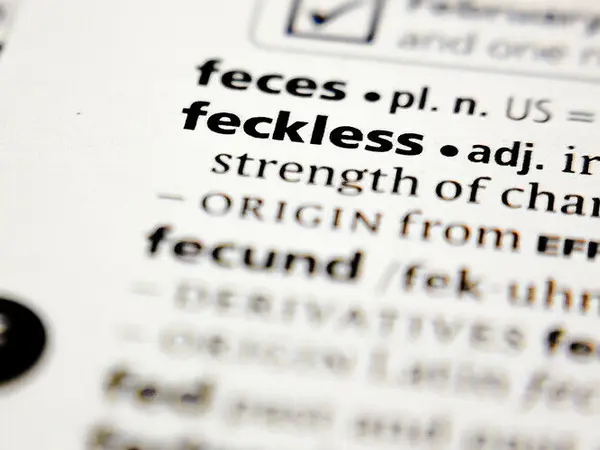
feckless
[fek-lis]
lacking initiative or strength of character; irresponsible

abject
[ab-jekt]
(of something bad) experienced or present to the maximum degree

engulf
[en-guhlf]
to flow over and enclose; to overwhelm.

pristine
[pris-teen]
having its original purity; uncorrupted or unsullied

evince
[ev-inc-nce]
to show, reveal
innate
[ih-neyt]
inherent in the essential character of something
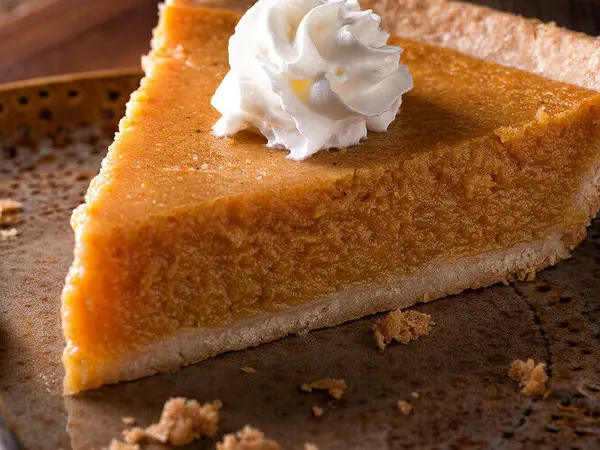
dollop
[dol-uhp]
to dispense in dollops

belong
[bih-lawng]
to be a member or part of something

ambidextrous
[am-bi-dek-struhs]
able to use both hands equally well

rapprochement
[rap-rohsh-mahn]
an establishment or resumption of harmonious relations

bespeak
[bih-speek]
to suggest or be evidence of something