complacency
nounDefinition
What Makes This Word Tick
Complacency isn't just any old state of satisfaction; it's the kind that can get you into trouble. Imagine feeling so pleased with your current situation or abilities that you somehow stop paying attention to potential dangers or areas for growth. It's like lounging on a raft in a lazy river, blissfully unaware of the looming waterfall ahead.
If Complacency Were a Person…
If complacency were a person, they'd be the neighbor who never locked their door because, "Nothing bad ever happens around here." With a sort of laid-back charm and an air of confidence, they'd likely be caught napping in a hammock, oblivious to the swirling storm clouds on the horizon.
How This Word Has Changed Over Time
While complacency might have once had a softer, more benign connotation associated simply with satisfaction, over time, it's gathered a sharper edge. These days, its undertones suggest not just contentment, but a kind of neglectful or naïve satisfaction that can leave one vulnerable to danger or failure.
Old Sayings and Proverbs That Use Complacency
Though not all proverbs mention it directly, many hint at its dangers. "Pride comes before a fall" is an old chestnut that warns us about becoming too comfortable in our achievements, a brother-in-arms to complacency.
Surprising Facts About Complacency
Did you know that complacency has been often cited as a factor in many accidents and failures, from shipwrecks to business downturns? It's the perfect reminder that a little vigilance goes a long way, and a nudge to always be looking ahead.
Out and About With This Word
You'll likely encounter complacency in conversations about business or safety, where staying vigilant is crucial. Leaders and safety managers talk about it in meetings, urging teams to steer clear of the comfy couch of complacency.
Pop Culture Moments Where Complacency Was Used
Movies love a good plot driven by complacency. Think of any disaster flick where the hero must rally townspeople who dismiss early warnings of impending doom-until the havoc starts. It's a classic complacency setup!
The Word in Literature
In literature, complacency often symbolizes a character flaw or societal issue. Characters who start out comfortable and smug often face a rude awakening, propelling the plot toward change, challenge, and ultimately, growth.
Moments in History with Complacency
Remember the story of the Titanic? Many argue that the ship's unsinkable reputation led to a degree of complacency, contributing to the inadequate number of lifeboats and overall catastrophe.
This Word Around the World
In other languages, concepts similar to complacency often have shades of laziness or neglect in translations. In Spanish, for example, the word "complaciente" can carry a similar suggestion of resting too easy on one's laurels.
Where Does It Come From?
The word originates from the Latin "complacere," meaning "to please." It's come a long way from merely giving satisfaction, picking up a cautionary undertone about the dangers of premature contentment.
How People Misuse This Word
People often use complacency as if it meant any kind of happiness or contentment. However, true complacency carries that additional implication of overlooking or ignoring potential risks or flaws.
Words It's Often Confused With
- Apathy: While both suggest inaction, apathy is more about a lack of interest rather than an unearned satisfaction.
- Contentment: This word denotes a peaceful satisfaction, but without the negative connotations of overlooking risks.
- Indifference: More about lacking concern altogether, not necessarily being satisfied.
Additional Synonyms and Antonyms
Synonyms often include smugness and self-satisfaction, while antonyms might be vigilance or diligence.
Want to Try It Out in a Sentence?
Here it goes: "After several successful quarters, the company fell into complacency, failing to innovate and keep up with emerging market trends."
Explore more words

forestall
[fohr-stawl]
to prevent, hinder, or thwart by action in advance
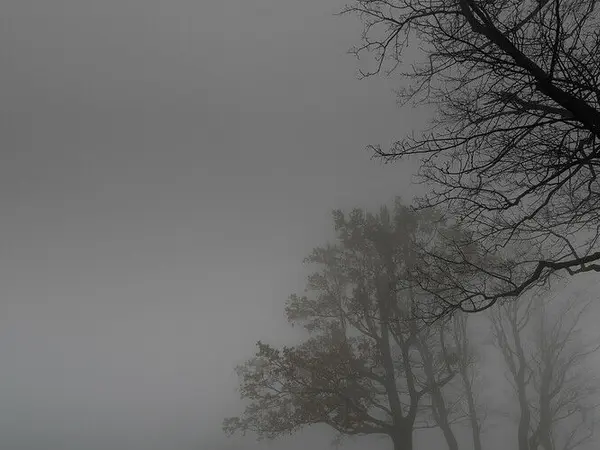
lugubrious
[loo-goo-bree-uhs]
mournful, dismal, or gloomy, especially in an affected, exaggerated, or unrelieved manner

eleemosynary
[el-uh-mos-uh-ner-ee]
relating to charity or almsgiving.

rebuff
[ri-buhf ]
to give a rebuff to; check; repel; refuse; drive away

apex
[ey-peks]
the tip, point, or vertex; summit

supplicate
[suhp-li-keyt ]
to pray humbly; make humble and earnest entreaty or petition

kvetch
[kvech]
to complain, especially chronically

awry
[uh-rahy]
not in the intended position or manner

disrespectful
[dis-ri-spekt-fuhl]
showing a lack of respect

spontaneous
[sp-ont-an-eous]
arising naturally or without premeditation; impulsive or unplanned.

vacuous
[vak-yoo-uhs]
without contents; empty

manhood
[man-hood]
the status of being a man.
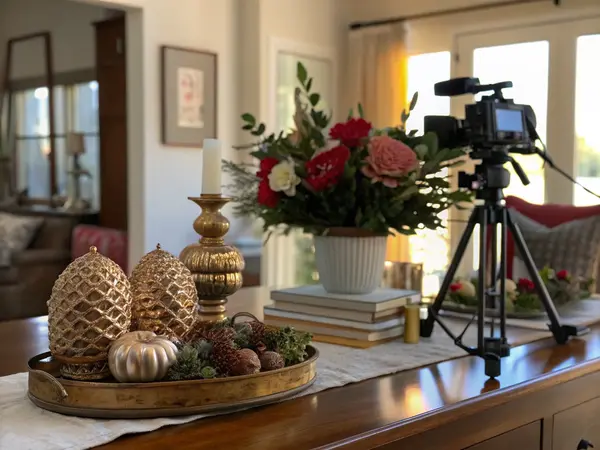
adorned
[ad-orn-ed]
decorated or embellished to make something more attractive.

bilious
[bil-yuhs]
extremely unpleasant or distasteful
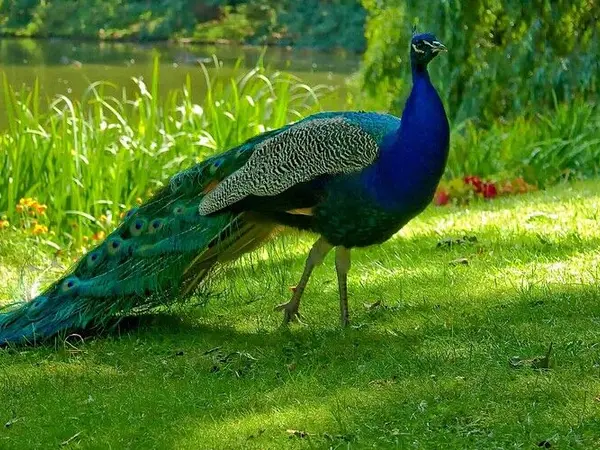
peacock
[pee-kok]
to make a vainglorious display; strut like a peacock
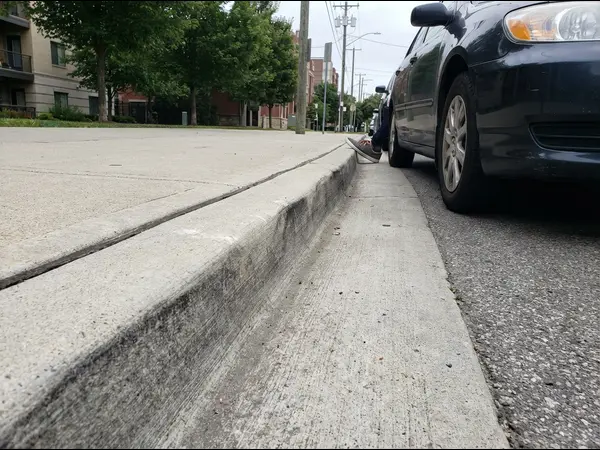
curb
[k-urb]
to restrain or control something; also refers to the raised edge of a street.