
disrespectful
nounDefinition
What Makes This Word Tick
Disrespectful points to behavior that treats someone or something as not worthy of regard. It’s stronger than merely “impolite” because it can carry a hint of contempt, not just poor manners.
If Word Were a Person
This word would be the one who talks over others and ignores boundaries without noticing—or without caring. It doesn’t just forget courtesy; it dismisses it.
How This Word Has Changed Over Time
Disrespectful has stayed anchored to the idea of withholding regard. Over time, it’s become a common label for both small breaches of etiquette and more pointed acts of disregard.
Old Sayings and Proverbs
Disrespectful isn’t a classic proverb word, but it fits the long-standing lesson that contemptful behavior tends to invite conflict. The idea is simple: respect is easier to lose than to rebuild.
Surprising Facts
Disrespectful can describe tone as much as actions, which is why it often shows up in workplace or school contexts. A comment can be disrespectful even if it’s brief or indirect.
Out and About With This Word
You’ll often see disrespectful in discussions about conduct, rules, and social expectations. It’s a quick way to name behavior that violates basic regard for others.
Pop Culture Moments
In pop culture, the “disrespectful” role often shows up as the character who breaks norms for status, laughs, or control. The word fits when the harm comes from disregard rather than honest disagreement.
The Word in Literature
In writing, disrespectful is useful for sharpening characterization, especially when an author wants to show power, entitlement, or social friction. It signals a breach of regard that changes the emotional temperature of a scene.
Moments in History
Throughout history, disrespectful behavior appears in moments of tense hierarchy—when someone rejects authority, tradition, or another person’s dignity. The concept matters because disrespect often escalates situations faster than simple critique.
This Word Around the World
Most languages have a direct way to express “without respect,” even if the exact word shape differs. The shared idea is a visible drop in regard, whether toward a person, a role, or a value.
Where Does It Come From
Disrespectful builds from the core idea of “respect” with a negating sense, marking behavior that removes regard.
How People Misuse This Word
People sometimes use disrespectful for any disagreement, but disagreement can be respectful when it stays focused and fair. Disrespectful is about how regard is shown, not whether opinions match.
Words It’s Often Confused With
Rude focuses on manners, while disrespectful points to a lack of regard. Insulting highlights the sting of an attack; disrespectful can be quieter but still dismissive. Impolite can be accidental, while disrespectful often sounds more pointed.
Additional Synonyms and Antonyms
Additional Synonyms: discourteous, contemptuous, insolent Additional Antonyms: deferential, considerate, honoring
Example Sentence
"His disrespectful attitude during the meeting surprised everyone in the room."
Explore more words
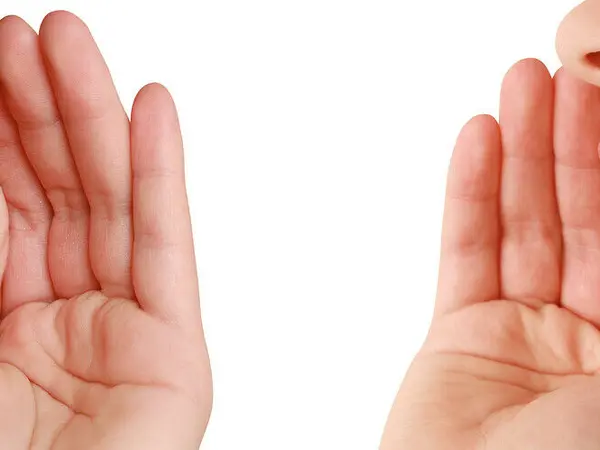
flibbertigibbet
[flib-er-tee-jib-it]
a frivolous, flighty, or excessively talkative person

exasperate
[ig-zas-puh-reyt]
to irritate or provoke to a high degree; annoy extremely

becloud
[b-ekl-oud]
to obscure or make less clear; to cover or overshadow.

teeming
[tee-ming]
abounding or swarming with something, as with people

accredit
[uh-kred-it]
to officially recognize or approve

maxim
[ma-xim-xim]
a common saying expressing a principle of conduct

dissemble
[dih-sem-buhl]
to give a false or misleading appearance to; conceal the truth or real nature of
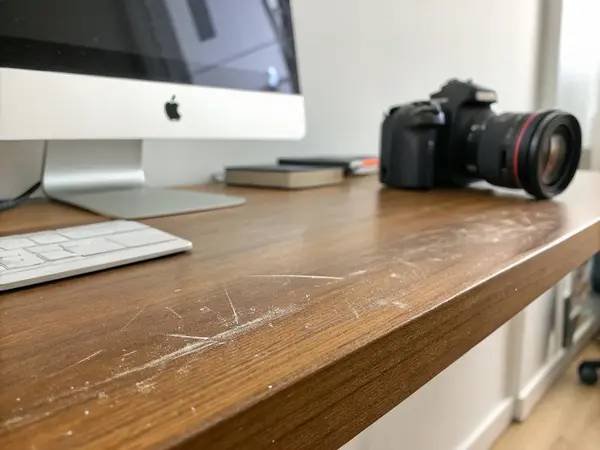
blemish
[bl-emi-ish]
an imperfection, flaw

aerify
[air-uh-fahy]
to turn into air or gas

gustation
[guh-stey-shuhn]
the act of tasting

chasm
[kaz-uhm]
a yawning fissure or deep cleft in the earth's surface; gorge

submerged
[suhb-murjd]
plunged into water or other fluid.
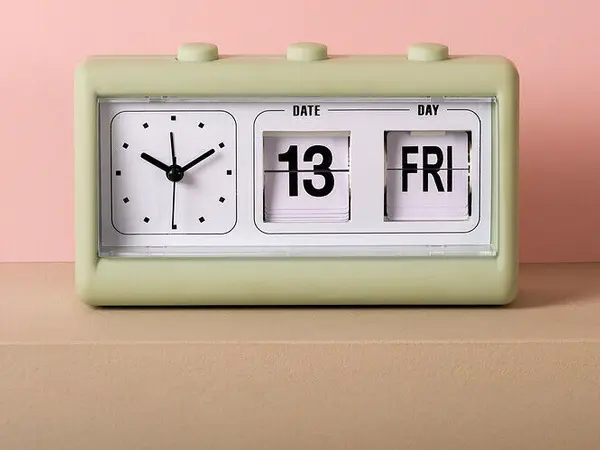
triskaidekaphobia
[tris-kahy-dek-uh-foh-bee-uh]
a fear of the number 13

cradle
[kr-adl-e]
a small bed for an infant, often rocking; also refers to the act of gently holding or supporting something.

meander
[mee-an-der]
to wander aimlessly; ramble

bamboozled
[bam-boo-zuhld]
concealed ones true motives from (someone) by elaborately feigning good intentions so as to gain an end hoodwinked.