
misunderstand
nounDefinition
What Makes This Word Tick
To misunderstand is to form an incorrect interpretation of words, actions, or intentions. The error lies in perception, not necessarily in hearing or reading. Unlike ignore, which implies disregard, misunderstand suggests an attempt that goes wrong.
If Misunderstand Were a Person…
If this word were a person, they would jump to conclusions too quickly. They would mean well but miss key details. Assumption defines them.
How This Word Has Changed Over Time
Misunderstand combines the prefix mis-, meaning wrong, with understand. Its meaning has remained consistent, centered on incorrect comprehension. The structure clearly signals error in interpretation.
Old Sayings and Proverbs
Proverb-style wisdom often warns that haste can lead to misunderstanding. Such advice encourages patience in communication.
Surprising Facts
Misunderstand is commonly used in everyday conversation and formal writing alike. The word often appears in conflict resolution contexts. It highlights breakdowns in communication.
Out and About With This Word
You’ll encounter misunderstand in discussions, emails, and debates. It appears when clarifying intentions. The term signals a need for explanation.
Pop Culture Moments Where Misunderstand Was Used
In storytelling, misunderstandings often drive plot twists and tension. The word underscores miscommunication between characters. It creates dramatic momentum.
The Word in Literature
Authors use misunderstand to reveal flawed perception or hidden motives. It often marks turning points in dialogue. The term deepens interpersonal conflict.
Moments in History with Misunderstand
Historical conflicts have sometimes escalated because leaders misunderstood intentions. The word captures the power of miscommunication. It reflects consequences of flawed interpretation.
This Word Around the World
Most languages have verbs expressing incorrect understanding. While forms vary, the concept of misinterpretation is universal. The tone often carries regret or frustration.
Where Does It Come From?
Misunderstand comes from Old English elements meaning wrong and comprehend. The prefix mis- consistently signals error. The meaning has remained stable over centuries.
How People Misuse This Word
People sometimes say misunderstand when they mean disagree. A misunderstanding involves incorrect interpretation, not simply differing opinions.
Words It’s Often Confused With
Misunderstand is often confused with ignore, which implies deliberate avoidance. It can also be mistaken for mishear, which focuses specifically on hearing errors.
Additional Synonyms and Antonyms
Additional Synonyms: mistake, misjudge, misconceive Additional Antonyms: appreciate, perceive correctly
Want to Try It Out in a Sentence?
"Please don’t misunderstand my comments—I was trying to help."
Explore more words

sashay
[sa-shey]
to glide, move, or proceed easily or nonchalantly

tisane
[ti-zan]
aromatic or herb-flavored tea

histrionics
[his-tree-on-iks ]
dramatic representation; theatricals; acting

vivify
[viv-uh-fahy]
to give life to; animate; quicken

legerdemain
[lej-er-duh-meyn]
sleight of hand; trickery

permeate
[pur-mee-eyt]
to pass into or through every part of

renowned
[ri-nound]
celebrated; famous

lugubrious
[loo-goo-bree-uhs]
mournful, dismal, or gloomy, especially in an affected, exaggerated, or unrelieved manner
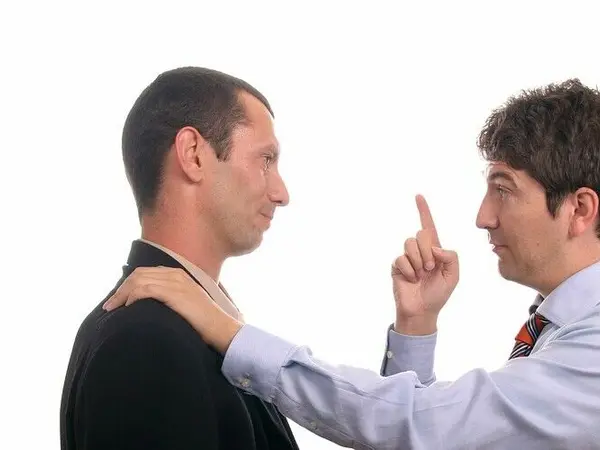
admonish
[ad-mon-ish]
to caution, advise, or counsel against something

congeal
[kuhn-jeel]
to change from a soft or fluid state to a rigid or solid state, as by cooling or freezing

bemuse
[bih-myooz]
to cause to be mildly amused, especially in a detached way

glower
[glou-er]
to look or stare with sullen dislike, discontent, or anger

inculcate
[in-kuhl-keyt]
to implant by repeated statement or admonition; teach persistently and earnestly (usually followed by upon or in)

umbrage
[uhm-brij]
offense; annoyance; displeasure

matutinal
[muh-toot-n-l]
pertaining to or occurring in the morning; early in the day

methodical
[m-eth-od-ik-al]
done in an orderly, systematic, or logical way.