
dilapidated
adjectiveDefinition
What Makes This Word Tick
"Dilapidated" is the kind of word that trips off the tongue with the grace of a crumbling building facade. It paints a vivid picture of neglect, bringing visions of faded elegance and past glory slipping into disrepair. The charm of "dilapidated" is its ability to both lament and romanticize the ravages of time.
If Dilapidated Were a Person…
Picture a once-dashing, silver-haired globetrotter whose tailored suits have seen better days. They carry an air of genteel dignity despite their threadbare appearance. This charming enigma might whisper tales of lavish gatherings and exotic adventures, now long past but never forgotten.
How This Word Has Changed Over Time
The word "dilapidated" hasn't experienced drastic shifts in its meaning over the centuries. Originally stemming from the Latin "dilapidare," meaning to scatter like stones, it has stayed true to its roots, always relating to gradual decay and neglect, primarily of structures.
Old Sayings and Proverbs That Use Dilapidated
While "dilapidated" doesn't star in any well-worn proverbs directly, it certainly fits into phrases about "better days" and "falling apart at the seams." These expressions evoke the same sentiment-structures and circumstances once whole that time has worn down.
Surprising Facts About Dilapidated
"Dilapidated" is often associated with buildings, but it can also describe a broader range of neglected items or abstractions-like an old friendship that's been left without care. Additionally, some people see beauty in the state of being dilapidated, a physical echo of life's transient nature.
Out and About With This Word
When you're out and about, you might encounter "dilapidated" in descriptions of charmingly decrepit urban locales. Historic parts of town, once glorious but now in need of TLC, often earn this descriptor. It makes for great conversational fodder when exploring forgotten corners of any city.
Pop Culture Moments Where Dilapidated Was Used
"Dilapidated" occasionally sneaks into movies and TV shows when characters discover abandoned, hauntingly beautiful locations. Films like "The Grand Budapest Hotel" relish in transforming decaying grandeur into vibrant cinematic settings, using the term to encapsulate that faded charm.
The Word in Literature
In literature, "dilapidated" comfortably finds its home among the pages of gothic novels and mysteries, where the environment mirrors the tumult within. Think of the eerie manors in Edgar Allan Poe's stories or the overgrown gardens of Southern Gothic tales.
Moments in History with Dilapidated
The fall of the Roman Empire might be the grandest dilapidation in history-magnificent stone cities slowly eroding. One can almost hear whispers of "dilapidated" echoing through the moss-covered ruins of once-glorious ancient theaters and temples, long left to the whims of time.
This Word Around the World
Across the globe, languages capture "dilapidated" in unique ways. In some cultures, this concept is celebrated as "Wabi-Sabi," the Japanese art of finding beauty in imperfection and transience, extending beyond architecture to objects and life moments.
Where Does It Come From?
"Dilapidated" hails from the Latin "dilapidate"-composed of "di," meaning "apart," and "lapis," or "stone." Quite literally, it evokes the image of stones falling apart, becoming synonymous with objects and places disintegrating over time.
How People Misuse This Word
Occasionally, "dilapidated" gets tossed around to describe things that are simply messy or cluttered, which misses its true nature of having been left to languish over time. It's more about long-term neglect than a mere untidy moment.
Words It's Often Confused With
- Decayed: Strictly implies rot, often with biological connotations.
- Decrepit: Suggests age and weakness but not necessarily neglect.
- Derelict: Focuses more on abandonment than condition.
Additional Synonyms and Antonyms
Synonyms for "dilapidated" include rundown, battered, and decrepit. Antonyms might be restored, pristine, or well-maintained, each highlighting a state of care and attention rather than neglect.
Want to Try It Out in a Sentence?
"The family's ancestral home, though once grand and majestic, stood dilapidated on the hill-its windows foggy with dust, and doors creaking with stories only the wind seemed to understand."
Explore more words
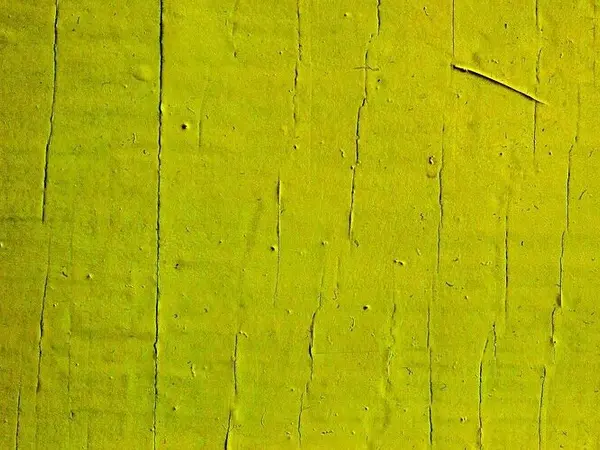
chartreuse
[shahr-trooz]
a clear, light green with a yellowish tinge
oxymoron
[ok-si-mawr-on]
a figure of speech by which a locution produces an incongruous, seemingly self-contradictory effect, as in “cruel kindness” or “to make haste slowly"

clairvoyant
[klair-voi-uhnt]
having or claiming to have the power of seeing objects or actions beyond the range of natural vision

precocious
[pr-eco-ous]
advanced, developing ahead of time

umami
[oo-mah-mee]
a strong meaty taste imparted by glutamate and certain other amino acids: often considered to be one of the basic taste sensations along with sweet, sour, bitter, and salty

objectivity
[obj-ekt-iv-ity]
the quality of being impartial, unbiased, and based on facts rather than personal feelings.

chutzpah
[hutz-pah]
informal shameless audacity; impudence

murmur
[mur-mer]
to speak in a low tone or indistinctly
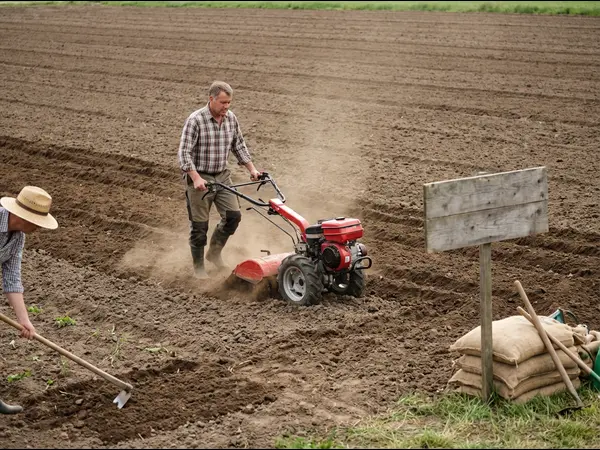
cultivation
[k-ult-iv-ashun]
the act of preparing land for growing crops; also refers to refining or improving skills or manners.

flimflam
[flim-flam]
a piece of nonsense; twaddle; bosh

disparage
[dih-spar-ij]
to bring reproach or discredit upon; lower the estimation of

mammonism
[mam-uh-niz-uhm]
the greedy pursuit of riches

dispel
[dih-spel]
to drive off in various directions; disperse; dissipate

recondite
[ri-kon-dahyt]
dealing with very profound, difficult, or abstruse subject matter

admonish
[ad-mon-ish]
to reprove or scold, especially in a mild and good-willed manner
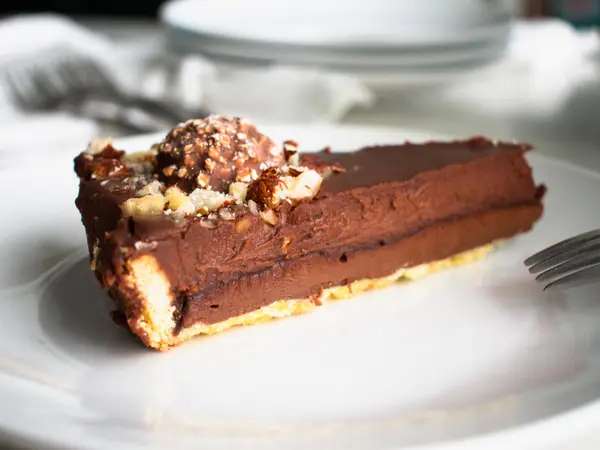
delectable
[dih-lek-tuh-buhl]
delicious