proud
adjectiveDefinition
What Makes This Word Tick
Proud is feeling deep satisfaction in your achievements or what you have, and it can range from quietly dignified to loudly self-assured. The word often carries a posture: you stand a little taller because something matters to you. It can be positive like confident, but it can tilt toward haughty when the satisfaction becomes superiority.
If Proud Were a Person…
Proud would be the person who holds their head high because they worked for something and it shows. At their best, they glow with self-respect; at their worst, they act like no one else measures up. Being around them can feel inspiring—or slightly prickly—depending on which side shows up.
How This Word Has Changed Over Time
Proud has long described satisfaction and self-respect tied to achievement or possession, while also carrying a potential edge of arrogance in some contexts. Modern usage still keeps that dual possibility: healthy confidence on one end, haughtiness on the other.
Old Sayings and Proverbs
Proverb-style wisdom often treats pride as something that should be balanced—enough to respect yourself, not so much that you look down on others. That fits this definition because proud is satisfaction in achievement or possession, and the social question becomes how that satisfaction is carried.
Surprising Facts
Proud can describe an inner feeling, but it’s frequently read as an outer signal—tone, posture, and attitude. It also often shows up in “proud of” phrases that name the source of satisfaction, making the emotion feel grounded. In writing, the word can instantly reveal what a character values.
Out and About With This Word
You’ll hear proud in speeches, celebrations, family moments, and personal reflection—anywhere achievements and meaning are being acknowledged. It also appears in conflict when someone is described as too proud to apologize or ask for help, highlighting the attitude side of the word.
Pop Culture Moments Where Proud Was Used
In pop culture, proud often anchors payoff scenes: someone finally recognizes their own growth or receives public acknowledgment for effort. That reflects the definition because the emotion is tied to achievement or possession, and the satisfaction is the point. The tension sometimes comes when pride turns into haughtiness and creates distance.
The Word in Literature
In literature, proud is a versatile character word because it can signal strength, dignity, stubbornness, or arrogance depending on context. Writers use it to show motivation—why someone refuses help, pushes harder, or guards their reputation. For readers, it points to a value system: what the character is satisfied by, and how they carry that satisfaction.
Moments in History with Proud
The idea behind proud shows up whenever people publicly mark achievements—victories, craftsmanship, community milestones, or personal success—and feel deep satisfaction in what was done or gained. That aligns with the definition because the feeling is attached to achievement or possession, and it often becomes part of identity.
This Word Around the World
Across languages, “proud” is commonly expressed with words meaning satisfied, honored, or self-respecting, sometimes with separate terms for the negative “haughty” edge. The shared center is satisfaction rooted in achievement or what one has.
Where Does It Come From?
The Old English root described having a high opinion of oneself, which helps explain why proud can sound positive or negative depending on how it’s framed. In this entry’s sense, the spotlight is on satisfaction from achievements or possessions, with the potential to shade into haughty behavior if it becomes too self-focused.
How People Misuse This Word
Proud is sometimes used as if it always means arrogant, but it can simply mean deep satisfaction in achievement or possession. If you specifically mean looking down on others, haughty or arrogant is clearer.
Words It’s Often Confused With
Proud is often confused with confident, but confident is about belief in ability, while proud is satisfaction about an achievement or what one has. It can also overlap with haughty, though haughty is specifically the superior, looking-down attitude rather than the satisfaction itself.
Additional Synonyms and Antonyms
Additional Synonyms: pleased, gratified, satisfied, honored Additional Antonyms: unassuming, contrite, embarrassed
Want to Try It Out in a Sentence?
"She was proud of her accomplishments at the ceremony."
Explore more words

pontificate
[pon-tif-i-keyt]
express one's opinions in a way considered annoyingly pompous and dogmatic

basilica
[buh-sil-ih-kuh]
a large church or building with a central nave and aisles, often used as a christian place of worship.

accede
[ak-seed]
to give consent, approval, or adherence; agree; assent; to accede to a request; to accede to the terms of a contract

diaphanous
[dahy-af-uh-nuhs]
very sheer and light; almost completely transparent or translucent

stood
[stood]
rose to an upright position.

oeillade
[œ-yad]
an amorous glance; ogle

chasm
[kaz-uhm]
a yawning fissure or deep cleft in the earth's surface; gorge

dissemble
[dih-sem-buhl]
to give a false or misleading appearance to; conceal the truth or real nature of

atrocious
[uh-troh-shuhs]
horrifyingly bad or unpleasant
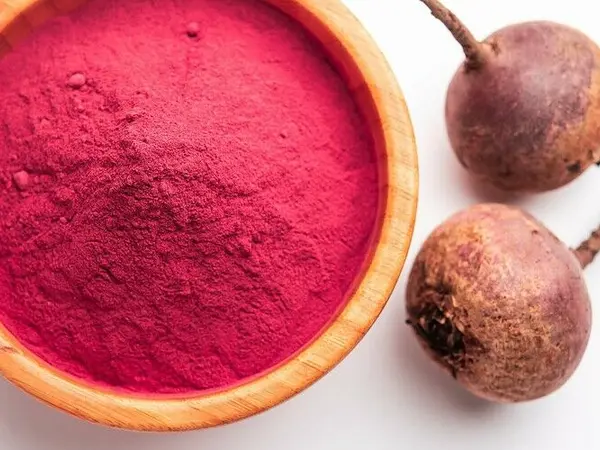
triturate
[trich-uh-reyt]
to reduce to fine particles or powder by rubbing, grinding, bruising, or the like; pulverize

chat
[chat]
to talk informally with someone

inveterate
[in-vet-er-it ]
settled or confirmed in a habit, practice, feeling, or the like

palfrey
[pawl-free]
a docile horse used for ordinary riding, especially by women

fabricate
[fab-ri-keyt]
to make by art or skill and labor; construct

obliterate
[uh-blit-uh-reyt]
to blot out or render undecipherable (writing, marks, etc.); efface

lucubrate
[loo-kyoo-breyt]
to write learnedly