open
VerbDefinition
What Makes This Word Tick
Open means not closed or locked, so it’s about access and availability. It can describe a physical state (a door) or a practical one (something available to others). Compared with unlocked, open is broader—it can imply welcoming access, not just the absence of a lock.
If Open Were a Person…
Open would be the friend who holds the door, shares information freely, and makes space for others to enter. They’re approachable and not guarded. Being around them feels like having room to move and breathe.
How This Word Has Changed Over Time
Open has held onto its core meaning of “not closed,” while expanding comfortably into ideas like accessibility and availability. It remains one of those flexible words that stays clear even as contexts change.
Old Sayings and Proverbs
A proverb-style idea that matches open is that opportunity is easiest to take when the way is not shut. This reflects the idea that open means accessible to others—available rather than sealed off.
Surprising Facts
Open often does double duty: it can describe a state and imply permission at the same time. It’s also a common contrast word—open versus shut—used to make access feel immediate and visible. In writing, open can set a tone of availability, transparency, or plain physical access, depending on context.
Out and About With This Word
You’ll see open everywhere—signs, instructions, schedules, and everyday conversation—whenever access matters. It’s used for doors and gates, but also for events and spaces that are available to others. The word fits best when the key idea is that something is accessible rather than closed off.
Pop Culture Moments Where Open Was Used
In pop culture, “open” often shows up as a visual cue—an open door, an open space—signaling welcome, risk, or possibility. That reflects the definition because the core idea is access: something is not shut or locked away. The word’s concept helps storytellers show that someone can enter, learn, or approach.
The Word in Literature
In literary writing, open is often used to control tone through space and access—open windows for air, open doors for entry, open paths for movement. It can make a scene feel inviting or exposed, depending on what’s being opened. For readers, the word quickly clarifies whether something is accessible or sealed away.
Moments in History with Open
Throughout history, the concept of open appears wherever access is granted or withheld—spaces made available to the public, routes made passable, or resources made reachable. This matches the definition because open means not closed or locked and therefore accessible. The word frames the difference between exclusion and entry in a simple, concrete way.
This Word Around the World
Across languages, this idea is usually expressed with a basic contrast pair equivalent to “open” versus “closed,” often extended to mean “accessible” or “available.” Expression varies, but the underlying sense stays stable: not shut or locked away.
Where Does It Come From?
Open comes from Old English, connected to older Germanic roots that carried the sense of being exposed or not shut. The origin lines up with modern meaning because the word still centers on access and non-closure.
How People Misuse This Word
Open is sometimes used when someone means simply available, even if access is still restricted. If something is accessible only to a limited group, available or permitted may be more precise than open.
Words It’s Often Confused With
Open is often confused with unlocked, but unlocked focuses on the lock while open focuses on the state of being not closed. It can also overlap with accessible, though accessible is about reachability even when something isn’t physically open.
Additional Synonyms and Antonyms
Additional Synonyms: unsealed, ajar, unobstructed Additional Antonyms: barred, secured, sealed
Want to Try It Out in a Sentence?
"The doors to the museum were open to the public free of charge for the day."
Explore more words
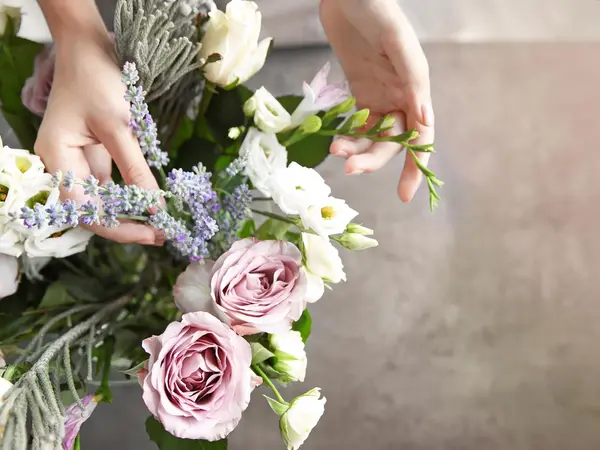
interlay
[in-ter-ley]
to lay between; interpose

cerebral
[suh-ree-bruhl]
intellectual rather than emotional
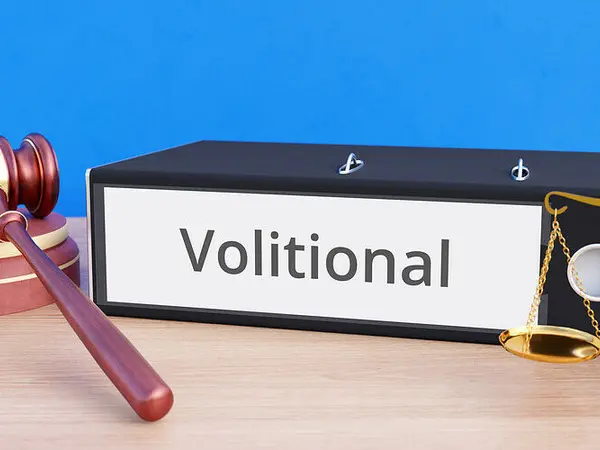
volitional
[voh-lish-uh-nl]
done of one’s own will or choosing; deliberately decided or chosen
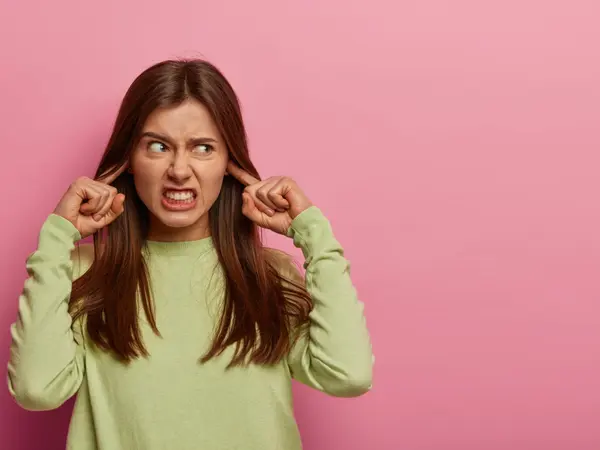
abrasive
[uh-brey-siv]
tending to abrade; causing abrasion; abrading
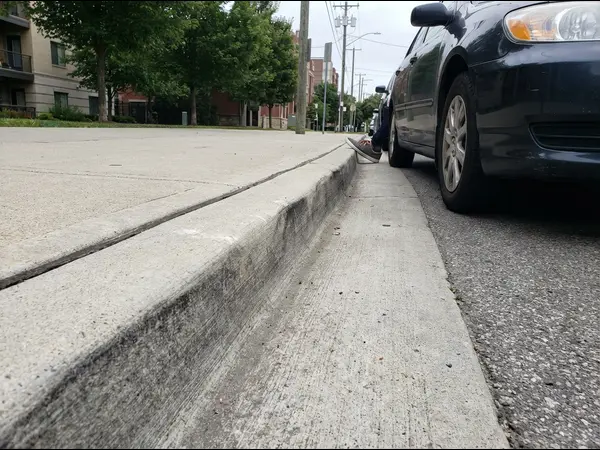
curb
[k-urb]
to restrain or control something; also refers to the raised edge of a street.
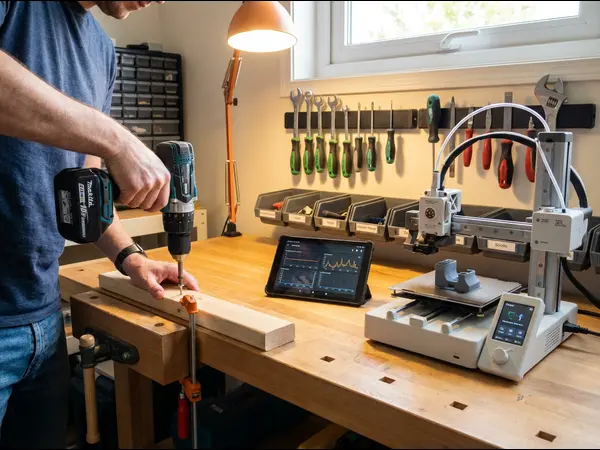
functional
[fuhngk-shuh-nl]
designed to be practical and useful
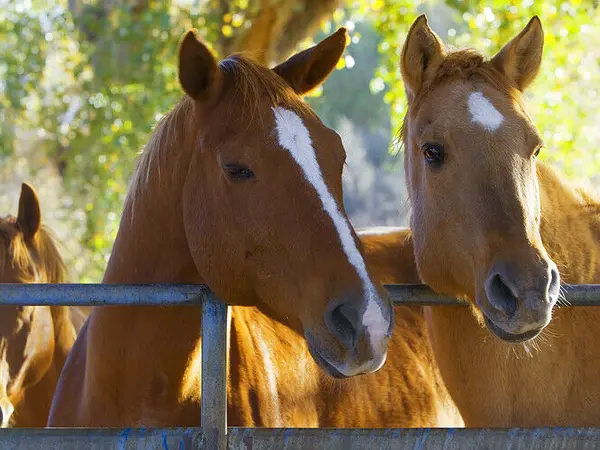
palfrey
[pawl-free]
a docile horse used for ordinary riding, especially by women

harlequin
[hahr-luh-kwin]
fancifully varied in color, decoration, etc.
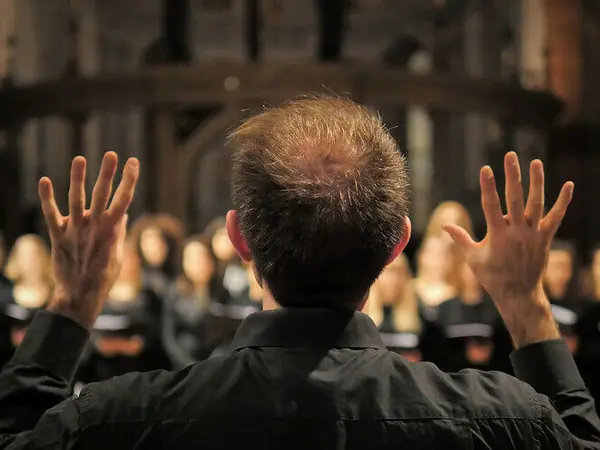
kapellmeister
[kah-pel-mahy-ster]
the leader or conductor of an orchestra or choir

chartreuse
[shahr-trooz]
a clear, light green with a yellowish tinge

pristine
[pris-teen]
having its original purity; uncorrupted or unsullied

frenzied
[fren-zeed]
wildly excited, enthusiastic, or agitated; frantic

cradle
[kr-adl-e]
a small bed for an infant, often rocking; also refers to the act of gently holding or supporting something.

dilatory
[dil-uh-tawr-ee]
tending to delay or procrastinate; slow; tardy

brainstorm
[brayn-storm]
a group discussion to generate ideas

accredit
[uh-kred-it]
to officially recognize or approve