inset
VerbDefinition
What Makes This Word Tick
An inset is a small picture or map placed within a larger one, giving extra detail without taking over the whole page. It’s a “zoomed-in helper,” often used to highlight a specific area or clarify what the main image can’t show up close. Compared with a full illustration, an inset feels supporting and selective.
If Inset Were a Person…
Inset would be the friend who taps the table and says, “Look right here,” then slides over a magnifying glass. They don’t replace the big picture—they make it easier to understand. Their talent is picking the one detail you’d miss otherwise.
How This Word Has Changed Over Time
Inset has remained tied to the same practical idea: something placed within something larger to add detail or clarity. As visual layouts have evolved, the function stays the same—supporting the main image with a focused insert. The core meaning remains stable because it names a clear design feature.
Old Sayings and Proverbs
There aren’t widely known traditional proverbs that use inset, since it’s a layout term. A proverb-style match is the idea that the small detail can explain the whole, which fits an inset’s purpose inside a larger image.
Surprising Facts
Inset often signals a change in scale—showing a close-up or a small map to clarify location and context. It’s frequently used when the main picture would be too crowded if everything were shown at once. The word also naturally pairs with map, diagram, and illustration because it’s about visual guidance.
Out and About With This Word
You’ll see inset in books, informational graphics, maps, and any printed or digital layout that uses a small embedded panel to explain part of a larger image. It’s common in educational and reference materials where clarity matters. The word fits best when something small is placed inside something larger for support and detail.
Pop Culture Moments Where Inset Was Used
In pop culture visuals, insets often appear in storytelling moments that need quick clarity—like a close-up detail shown inside a larger scene to guide attention. That matches the definition because the inset is literally a smaller picture or map within the main one. It’s a simple visual tool for saying, “This part matters.”
The Word in Literature
In literary and publishing contexts, inset is used when authors or editors describe page design that supports the narrative—small maps, diagrams, or images embedded to deepen understanding. It affects the reader by reducing confusion and sharpening mental imagery, especially for place and layout. The concept is about guiding attention without interrupting the larger presentation.
Moments in History with Inset
Historically, insets fit wherever people needed to communicate complex places or details clearly—maps with close-ups, diagrams with highlighted parts, or documents that needed quick visual reference. It matches the definition because the inset is a practical device: a small picture or map placed within a larger one. The concept supports clearer understanding when the “big picture” alone isn’t enough.
This Word Around the World
Many languages express this as a “small embedded image” or “inserted panel,” especially in mapmaking and layout contexts. The meaning stays consistent because it refers to a common design feature used across visual documents.
Where Does It Come From?
Inset comes from a Middle English form meaning “to place within,” built from in- and set, which neatly matches its modern use. The origin reflects the structure: something set inside a larger whole.
How People Misuse This Word
Inset is sometimes used for any small image on a page, but it specifically means a small picture or map within a larger one. If an image stands alone rather than being embedded inside another, it’s more accurate to call it a separate illustration or figure.
Words It’s Often Confused With
Inset is often confused with insert, but insert is a general “something added,” while an inset is specifically a small image or map placed within a larger one. It can also be confused with a panel, which is a section of a layout but not necessarily embedded as a small sub-image. Close-up is related in function, but it describes the view rather than the embedded format.
Additional Synonyms and Antonyms
Additional Synonyms: callout, embedded detail, close-up box, locator map Additional Antonyms: full-page image, standalone figure, main plate
Want to Try It Out in a Sentence?
"The book included an inset map to help readers visualize the story’s setting."
Explore more words

epistemology
[ih-pis-tuh-mol-uh-jee]
a branch of philosophy that investigates the origin, nature, methods, and limits of human knowledge

harbingers
[hahr-bin-jerz]
indicators; bringers of warnings

schadenfreude
[shahd-n-froi-duh]
satisfaction or pleasure felt at someone else's misfortune

rejuvenate
[rejuvenate]
to make young again; restore to youthful vigor, appearance, etc.
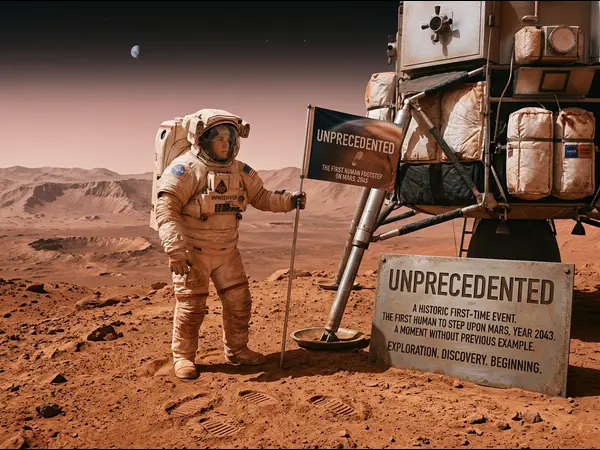
unprecedented
[un-pre-ted]
entirely new

innate
[ih-neyt]
inherent in the essential character of something

avaricious
[av-uh-rish-uhs]
characterized by avarice; greedy; covetous

giant
[jy-unt]
an extremely large or powerful being or thing

verisimilitude
[ver-uh-si-mil-i-tood]
the appearance of truth; the quality of seeming to be true
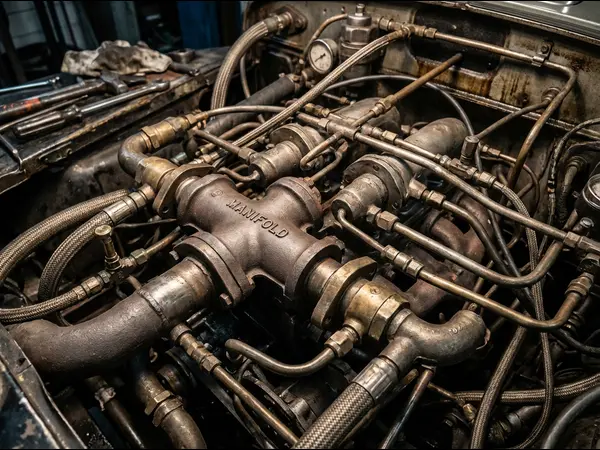
manifold
[ma-nif-old]
diverse, varied

prate
[preyt]
to talk excessively and pointlessly; babble

chasm
[kaz-uhm]
a yawning fissure or deep cleft in the earth's surface; gorge
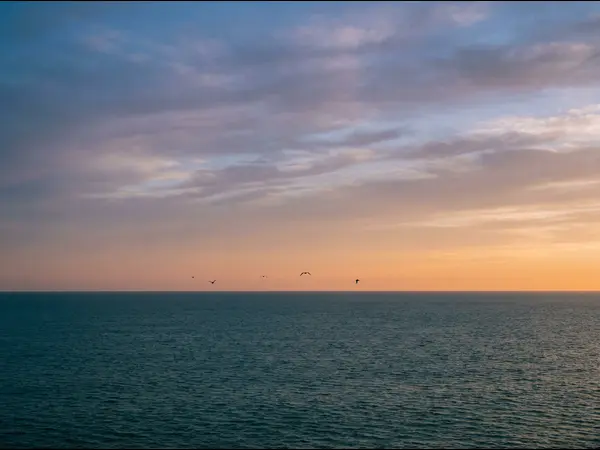
horizon
[hih-rai-zun]
the line at which the earth's surface and the sky appear to meet.

eleemosynary
[el-uh-mos-uh-ner-ee]
relating to charity or almsgiving.

ostracism
[os-tra-ism]
exclusion from a group
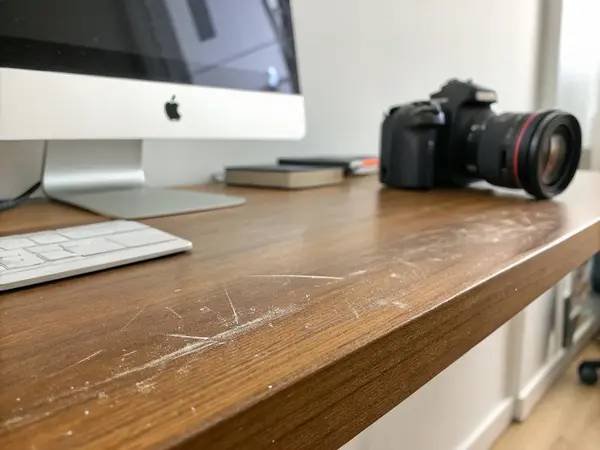
blemish
[bl-emi-ish]
an imperfection, flaw