
gustation
nounDefinition
What Makes This Word Tick
"Gustation" might sound like a grand adventure or perhaps even a gusty ordeal, but it's all about taste-literally. It refers to the sensory act of tasting, one of the fundamental human senses that brings us the joy of savoring foods and drinks, from the humble apple to the decadent chocolate truffle.
If Gustation Were a Person…
If gustation were a person, it would be an adventurous foodie with an ever-curious palate. Their idea of a good time? Sampling exotic cuisines, critiquing dishes on MasterChef from the couch, and never turning down an opportunity to try the latest food trend. They'd be the friend who insists you appreciate the bouquet of a wine before a single sip.
How This Word Has Changed Over Time
Gustation has remained quite focused on its original meaning related to taste since its emergence. However, the ways we experience and talk about taste have definitely evolved. From ancient times, when taste was a survival tool to detect poisonous foods, to today, where it's a marker of gourmet sophistication and pleasure.
Old Sayings and Proverbs That Use Gustation
While "gustation" itself is a bit too fancy for old-timey proverbs, the concept of taste crops up in sayings like, "The proof of the pudding is in the eating." This emphasizes the idea that something must be experienced directly to be fully understood or judged, much like gustation itself.
Surprising Facts About Gustation
Did you know that your sense of taste is closely linked to your sense of smell? That's why foods can seem bland when you have a stuffy nose. Also, taste buds are not confined to the tongue; they're also found on the roof of your mouth and even in your throat!
Out and About With This Word
"Gustation" might pop up in culinary schools, restaurants critiquing circles, or medical discussions about sensory experiences. It's not the word you'd drop at a casual dinner party unless you're trying to impress someone with your vocabulary.
Pop Culture Moments Where Gustation Was Used
While "gustation" hasn't exactly made it to the silver screen or become a catchphrase, the concept is celebrated in cooking shows and food documentaries aplenty. It's the silent star behind shows like "Chef's Table" and the food critic's connoisseur in films like "Ratatouille."
The Word in Literature
In literature, "gustation" would feel right at home in gourmet cookbooks or novels that delve deep into sensory experiences, such as "Chocolat" by Joanne Harris. It's the kind of term you'd expect a character like the food critic Anton Ego in "Ratatouille" to relish.
Moments in History with Gustation
One historical moment where gustation played a key role is the development of fine dining in France during the late 18th century. The keen sense of taste and flavour analysis became central to creating sophisticated dishes, transforming dining into an art form.
This Word Around the World
Around the globe, gustation varies culturally in terms of what's considered tasty or exotic. For instance, in Japan, umami is regarded as a significant taste, while in Mexico, the use of spices and chilies brings a fiery depth to their cuisine that is appreciated on a different taste spectrum.
Where Does It Come From?
Stemming from the Latin word "gustare," meaning "to taste," gustation has retained its focus on the sensory and experiential aspect of eating. It's a word rooted in the history of how humans interact with food and flavor.
How People Misuse This Word
People might confuse "gustation" with "sensation" or use it interchangeably with "taste" without realizing its specific focus on the act and experience of tasting rather than just the taste itself.
Words It's Often Confused With
- Taste: While related, taste is a broader term encompassing both the act and experience of gustation and the specific flavors detected.
- Flavor: Flavor incorporates taste but also includes smell and other sensory inputs.
- Sensation: More general and not specific to the sense of taste.
Additional Synonyms and Antonyms
Synonyms for "gustation" might include "tasting," "palate experience," or "flavor sampling." Antonyms would be "tastelessness" or "blandness."
Want to Try It Out in a Sentence?
"An elegant wine tasting event is a celebration of gustation, where participants explore the complex flavors that each sip unfolds."
Explore more words

quintessence
[kwin-tes-uhns]
the pure and concentrated essence of a substance

vaccinate
[vak-suh-nayt]
to administer a vaccine to provide immunity

meander
[mee-an-der]
to wander aimlessly; ramble

protruding
[proh-troo-ding]
sticking out or extending beyond a surface

blissful
[blis-fuhl]
extremely happy or joyful

tintinnabulation
[tin-ti-nab-yuh-ley-shuhn]
the ringing or sound of bells

moria
[môr′ē-ə]
dullness of mind; mental lethargy; a mental state characterized by frivolity, joviality, and the inability to be serious

apex
[ey-peks]
the tip, point, or vertex; summit

dispel
[dih-spel]
to drive off in various directions; disperse; dissipate

adhere to
[ad-heer too]
to follow or obey a rule or guideline

endemic
[en-dem-ik]
natural to or characteristic of a specific people or place; native; indigenous
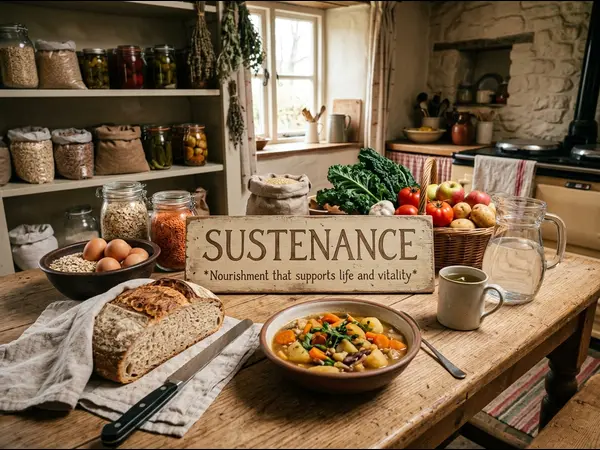
sustenance
[suhs-tuh-nuhns]
food or drink regarded as a source of strength or nourishment

bandage
[ban-dij]
a strip of material used to cover and protect a wound
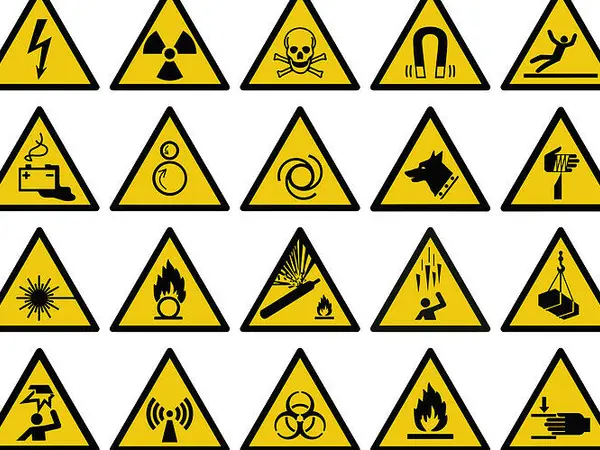
deleterious
[del-i-teer-ee-uhs]
injurious to health

ramshackle
[ram-shak-uhl]
loosely made or held together; rickety; shaky
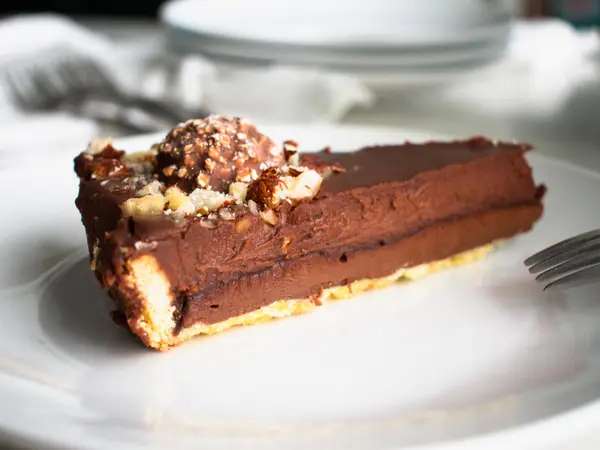
delectable
[dih-lek-tuh-buhl]
delicious