
blissful
adjectiveDefinition
What Makes This Word Tick
Blissful describes a kind of happiness that feels full-bodied—deep, bright, and comfortably complete. It’s more than “content,” which can be calm and quiet; blissful suggests a higher glow. The word often carries a peaceful, worry-free tone, like joy that has room to breathe.
If Blissful Were a Person…
Blissful would be the friend who makes everything feel lighter without trying too hard. They’re present, unhurried, and genuinely delighted by small comforts. Being around them feels like stepping into a warm pocket of calm joy.
How This Word Has Changed Over Time
The sense has stayed steady: strong happiness that feels almost complete. Modern usage has broadened into everyday moments—people use it for simple pleasures, not only grand life events. Even when casual, it still implies “more than just happy.”
Old Sayings and Proverbs
A proverb-style idea that fits blissful is that peace and joy often arrive when worry is set down. It reflects the feeling of happiness that isn’t racing—it’s settled and whole.
Surprising Facts
Blissful is a high-intensity happiness word, but it often sounds gentle rather than loud. It’s frequently paired with settings or moments—days, afternoons, trips—because it paints an atmosphere as much as a feeling. In tone, it tends to read as warm and positive without being overly dramatic.
Out and About With This Word
You’ll see blissful in travel descriptions, relationship writing, and reflections on rest or relief. It also appears in everyday storytelling when someone wants to underline how good a moment felt. The word fits best when joy feels easy and complete, not mixed or complicated.
Pop Culture Moments Where Blissful Was Used
In pop culture, the idea of being blissful often shows up in scenes where characters finally get a break from stress. It’s the emotional payoff after chaos—quiet joy, relief, and a sense of “we made it.” That contrast makes the concept memorable even without naming specific stories.
The Word in Literature
Writers use blissful to soften a scene with warmth, ease, and emotional brightness. It’s especially effective for describing atmosphere—sunlight, rest, affection—without overexplaining the character’s inner life. The word’s gentle richness can make a moment feel suspended in comfort.
Moments in History with Blissful
Throughout history, the concept of blissful fits moments of relief after hardship, when people can finally enjoy safety and calm. It also belongs to personal milestones where joy feels complete and untroubled, at least for a while. The idea highlights how rare and valuable worry-free happiness can be.
This Word Around the World
Across languages, this feeling is usually expressed with words meaning “deep joy,” “serene happiness,” or “peaceful delight,” though the exact shade varies. Some languages separate excitement from calm joy more strongly than English does. The shared concept is happiness that feels whole, not just upbeat.
Where Does It Come From?
Blissful comes from an older family of words linked to joy and gladness, and the -ful ending adds the sense of being “full of” that feeling. That structure makes the meaning intuitive: filled with bliss. Its roots help explain why the word still sounds warm and bright.
How People Misuse This Word
Blissful can be overused for any fun moment, but it’s strongest when the happiness feels complete and unbothered. If the mood is simply pleasant or mildly happy, “content” or “glad” may be more accurate. Use blissful when the joy feels bigger than the moment’s details.
Words It’s Often Confused With
Joyful can be energetic and expressive, while blissful often feels calmer and more enveloping. Euphoric suggests a rush or high, whereas blissful can be steady and peaceful. Contented is gentler and lower intensity than blissful.
Additional Synonyms and Antonyms
Additional Synonyms: delighted, overjoyed, serene\nAdditional Antonyms: wretched, heartbroken, distressed
Want to Try It Out in a Sentence?
"The couple enjoyed a blissful day at the beach, free from any worries."
Explore more words

kith
[kith]
acquaintances, friends, neighbors, or the like; persons living in the same general locality and forming a more or less cohesive group

incompetent
[ink-omp-et-ent]
lacking the necessary skills, ability, or qualifications to perform a task successfully.

arty
[ahr-tee]
pretentious or overly interested in artistic pursuits

sienna
[see-en-uh]
a ferruginous earth used used as a yellowish-brown pigment (raw sienna) or, after roasting in a furnace, as a reddish-brown pigment (burnt sienna)

meander
[mee-an-der]
to proceed by or take a winding or indirect course
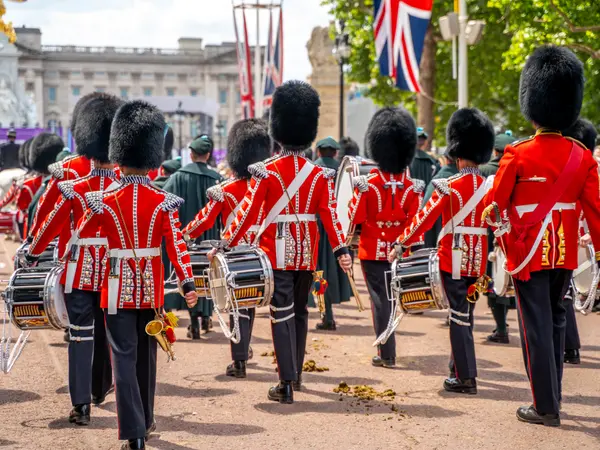
jubilee
[joo-buh-lee]
the celebration of any certain anniversaries, as the twenty-fifth (silver jubilee), fiftieth (golden jubilee), or sixtieth or seventy-fifth (diamond jubilee)

victorious
[vik-tawr-ee-uhs]
having achieved victory; conquering; triumphant
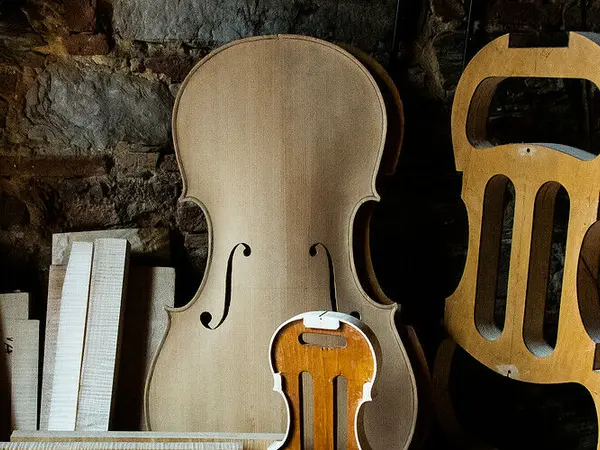
crwth
[krooth]
ancient Celtic instrument that is similar to a violin

meritorious
[mer-i-tawr-ee-uhs]
deserving praise, reward, esteem, etc.; praiseworthy

euphoric
[yoo-fawr-ik]
intensely happy or confident

undulate
[uhn-juh-leyt]
to move with a sinuous or wavelike motion; display a smooth rising-and-falling or side-to-side alternation of movement

brumal
[broo-muhl]
wintry

crestfallen
[krest-faw-luhn]
dejected; dispirited; discouraged

vacuous
[vak-yoo-uhs]
without contents; empty

battery
[ba-tte-ery]
a device that supplies power
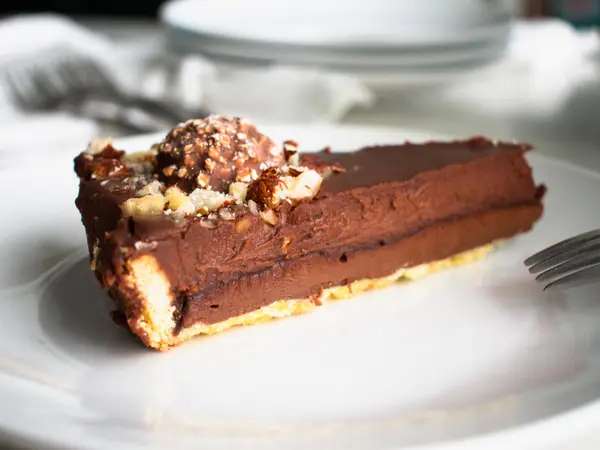
delectable
[dih-lek-tuh-buhl]
delightful; highly pleasing; enjoyable