moria
nounDefinition
What Makes This Word Tick
Ah, "Moria." At first glance, it might evoke images of Middle-earth's ancient dwarven mine from Tolkien's legendary "The Lord of the Rings," a place brimming with history, mystery, and danger. In that universe, it's a location as infamous for its grandeur as it is for its peril. However, outside of fantasy, "Moria" might not have many alternate associations, making it a rather fantastical and literary word at heart.
If Moria Were a Person…
Imagine Moria as an old adventurer with tales to tell; they've seen the rise and fall of kingdoms and have a penchant for the dramatic. This person exudes an air of mystery and wisdom, often dwelling on the nostalgic past and preferring the company of books and sepia-toned photographs.
How This Word Has Changed Over Time
The word itself hasn't seen much evolution since it predominantly stems from its use in literature and its Greek meaning as "fate" or "doom." Its literary connection gives it a rather static yet powerful aura-a testament to tales told and adventures imagined rather than lived.
Old Sayings and Proverbs That Use Moria
Given its specificity, "Moria" hasn't starred in many proverbs or old sayings. However, it echoes the timeless wisdom of exploring the unknown and the outcomes of brave (or perhaps foolhardy) curiosity.
Surprising Facts About Moria
While most recognize Moria from Tolkien's work, did you know there's a Moria mine in the real world? Located in Greece, it's unconnected to dwarves but shares a similarly rich tapestry of history and exploitation of resources.
Out and About With This Word
You won't often overhear daily conversation about "Moria" unless among a group of fantasy enthusiasts or at a book club discussing Tolkien. It's a conversation starter for fans who delight in dissecting epic journeys and the mythos behind Moria's fictional demise.
Pop Culture Moments Where Moria Was Used
Beyond its appearance in "The Lord of the Rings," Moria hasn't significantly crossed into mainstream pop culture. It's the kind of place more likely to be referenced by a dedicated reader of fantasy lore than splashed across tabloid headlines.
The Word in Literature
Moria is woven into the grand tapestry of Tolkien's epic, where it's more than just a backdrop; it shapes the entire narrative arc for our characters. Thus, it appears in works that dwell on journeys, adventures, and the mythical realms created by masterful storytelling.
Moments in History with Moria
While there are no historical events directly tied to "Moria," one might figuratively apply its sense of hidden majesty and eventual downfall to any ancient ruin discovered after centuries of secrecy, from Egyptian tombs to Mayan pyramids.
This Word Around the World
Globally, the mythology and allure of Moria have universal appeal, sparking interest in exploring real and imagined caves, ruins, and the intriguing blend of history and legend.
Where Does It Come From?
Uniquely, "Moria" is derived from multiple roots-Greek, where it signifies destiny or doom, and Tolkien's imagination, where it turned into a symbol of faded glory and impending peril.
How People Misuse This Word
There isn't much room (or perhaps much opportunity) for misusing "Moria," given its niche appeal. But it might be mistakenly conflated with similar-sounding places or words in different contexts.
Words It's Often Confused With
- Maori: Referring to the indigenous Polynesian people of New Zealand.
- Maria: A common first name, very different in connotation.
- Moira: A name with Greek origins, often meaning fate or destiny, closely related but contextually distinct.
Additional Synonyms and Antonyms
Synonyms could include "mines," "catacombs," or "caverns," while antonyms might be more related to open spaces like "fields" or "plains," given Moria's association with underground complexity.
Want to Try It Out in a Sentence?
"Venturing into Moria, they were met not by dwarven warriors, but by the echoing silence of a once-great kingdom now only remembered in tales."
Explore more words

ken
[ken]
know

quip
[kwip]
a sharp, sarcastic remark; a cutting jest

writhe
[rahyth]
to shrink mentally in discomfort or embarrassment.

hinder
[hin-der]
to cause delay, interruption, or difficulty in; hamper; impede

rebuff
[ri-buhf ]
to give a rebuff to; check; repel; refuse; drive away
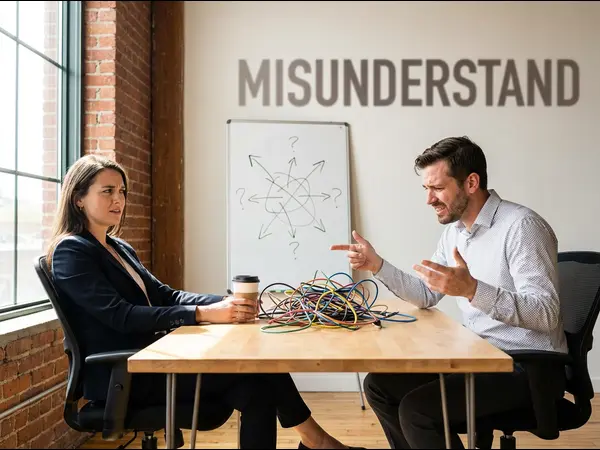
misunderstand
[m-is-und-erst-and]
to fail to correctly interpret or comprehend something.

spontaneous
[sp-ont-an-eous]
arising naturally or without premeditation; impulsive or unplanned.

infatuation
[in-fach-oo-ey-shuhn]
foolish or all-absorbing passion or an instance of this
writhe
[rahyth]
to twist or contort the body in pain or discomfort

inspirit
[in-spir-it]
to infuse spirit or life into; enliven

disparage
[dih-spar-ij]
to speak of or treat slightingly; depreciate; belittle

materialize
[muh-teer-ee-uh-lize]
to appear or become actual
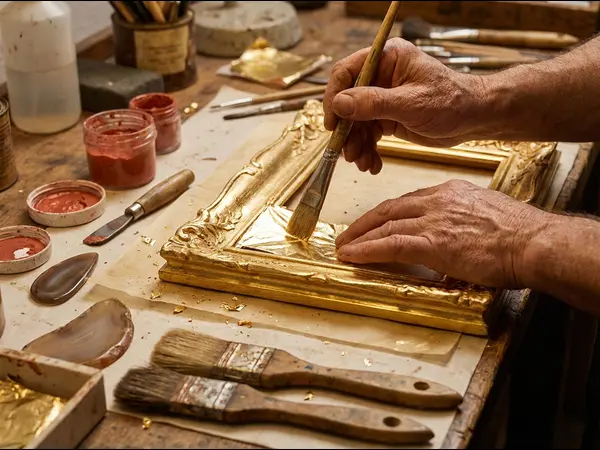
gild
[g-ild]
to cover something with a thin layer of gold; also used metaphorically to enhance or embellish.

pylon
[pay-lon]
a marking post or tower for guiding aviators, frequently used in races

deign
[deyn]
to think it appropriate to or in accordance with one's dignity; condescend

equinox
[ee-kwuh-noks]
the time or date (twice each year) at which the sun crosses the celestial equator, when day and night are of approximately equal length