
blend
nounDefinition
What Makes This Word Tick
Blend means to mix things together so they form a more unified whole. It belongs to moments when separate parts lose their sharp edges and begin to work together. The word suggests harmony and joining, not division or keeping apart.
If Blend Were a Person…
Blend would be the person who can bring different people, ideas, or flavors together without forcing the match. They are smooth, adaptable, and good at making contrasts feel natural. Their gift is turning pieces into something shared.
How This Word Has Changed Over Time
The core meaning of mixing or joining has stayed steady over time. What changes is the range of things it can describe, since blend now works easily for food, color, sound, style, and ideas.
Old Sayings and Proverbs
A proverb-style idea that fits blend is that different parts can make something stronger when they mix well. That matches the word because blend is about joining without losing usefulness.
Surprising Facts
Blend is simple, but it works across many senses and settings. It can describe a kitchen action, an artistic effect, or a social process with equal ease. That range gives the word unusual flexibility without weakening its core meaning.
Out and About With This Word
You will find blend in cooking, design, conversation, music, and everyday talk about making things work together. It fits anywhere separate elements are being mixed into a more unified result. The word is especially handy when smooth combination matters.
Pop Culture Moments Where Blend Was Used
In pop culture, the idea behind blend appears in makeover scenes, musical mixes, team-ups, and stories where different worlds come together. It works well because audiences quickly notice when separate elements either clash or combine beautifully. That makes the concept feel both practical and creative.
The Word in Literature
In literature, blend can soften transitions and make descriptions feel fluid. Writers use it when colors merge, voices mingle, or emotions overlap. The word helps a scene feel joined rather than sharply broken apart.
Moments in History with Blend
The concept of blend belongs to historical moments shaped by exchange, combination, and adaptation. It fits periods where styles, materials, or communities came together to form something new.
This Word Around the World
Across languages, this idea is usually expressed through verbs meaning to mix, combine, or merge. The exact metaphor may vary, but the shared sense of elements coming together is widely recognizable.
Where Does It Come From?
Blend comes from Old English blandan, meaning to mix or mingle. Its origin stays close to the modern sense, which still centers on joining separate parts into one result.
How People Misuse This Word
People sometimes use blend when the parts are merely placed together rather than truly mixed. The word works best when the separate elements actually combine into something more unified.
Words It’s Often Confused With
Mix is broader and more basic, while blend often suggests a smoother, more complete joining. Merge can sound more formal or structural. Mingle implies looser interaction, but blend usually points to a tighter integration.
Additional Synonyms and Antonyms
Additional Synonyms: incorporate, unite, intermingle Additional Antonyms: detach, segregate, disentangle
Want to Try It Out in a Sentence?
"She used a wooden spoon to blend the ingredients until the sauce turned smooth."
Explore more words

dissonance
[dis-uh-nuhns]
inharmonious or harsh sound; discord; cacophony

tame
[teym]
changed from the wild or savage state; domesticated

expectant
[ik-spek-tuhnt]
having expectations; expecting

afford
[af-for-ord]
have enough money to pay for.
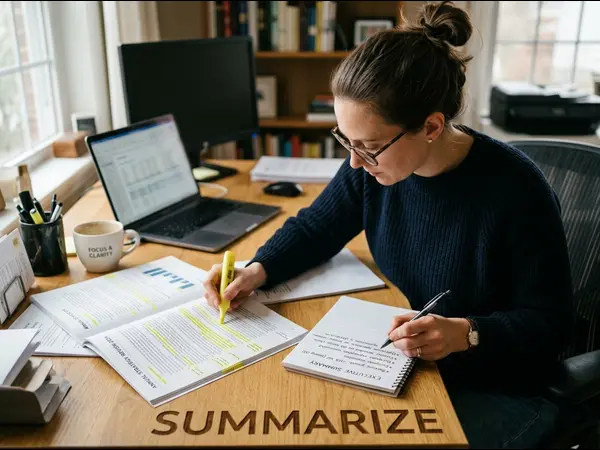
summarize
[s-umm-ar-iz-e]
to provide a brief and concise statement of the main points.

embarcadero
[em-bahr-kuh-dair-oh]
a pier, wharf, or landing place

echo
[ech-o]
a sound or event that repeats or imitates another, often heard after a delay.

glut
[gluht]
to feed or fill to excess; cloy
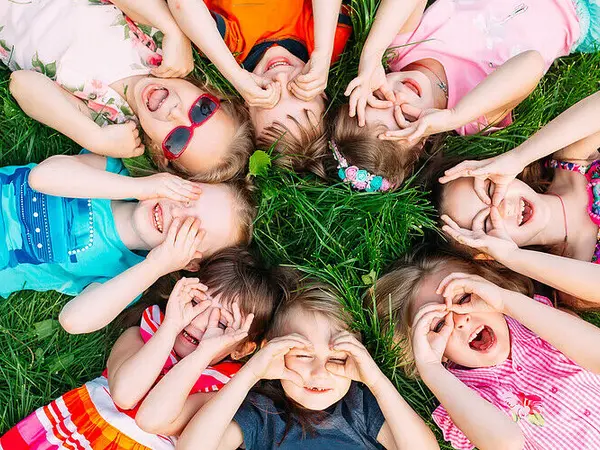
jocund
[jok-uhnd]
cheerful; merry; blithe; glad
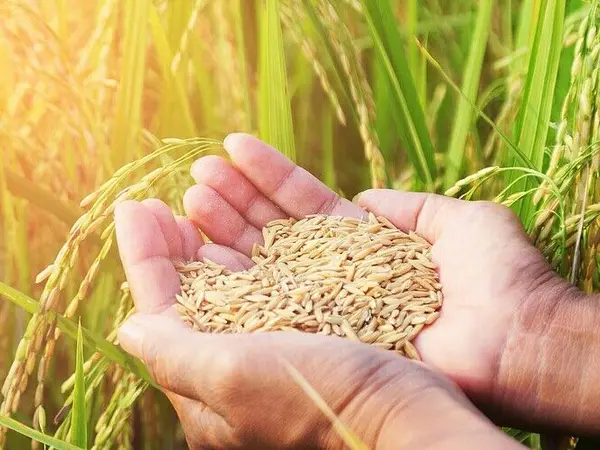
glean
[gleen]
to collect or gather anything little by little or slowly
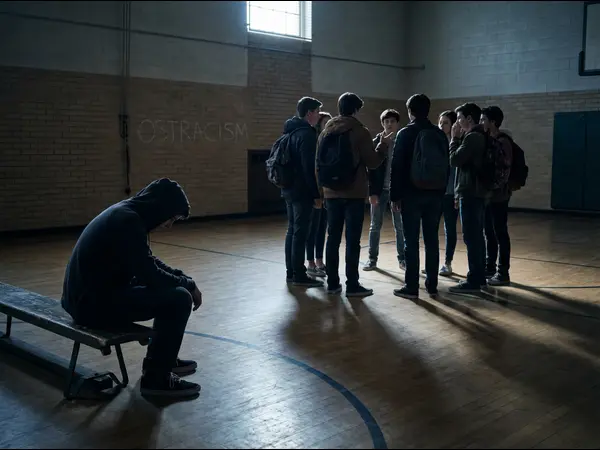
ostracism
[os-tra-ism]
exclusion from a group

spontaneous
[sp-ont-an-eous]
arising naturally or without premeditation; impulsive or unplanned.

wraith
[reyth]
a ghost or ghostlike image of someone, especially one seen shortly before or after their death

circumspect
[sur-kuhm-spekt]
watchful and discreet; cautious; prudent; well-considered
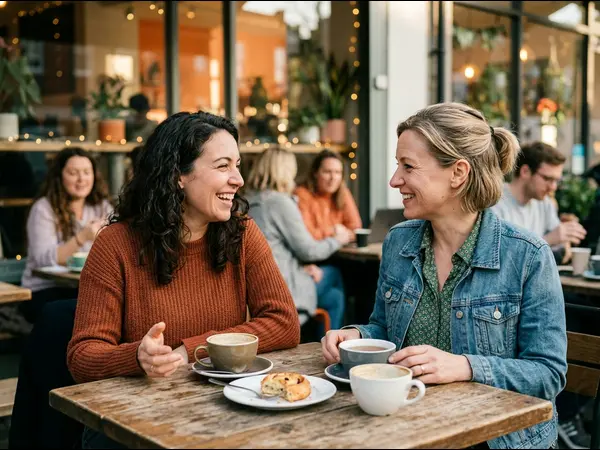
chat
[chat]
to talk informally with someone

defenestrate
[dee-fen-uh-streyt]
to throw (a person or thing) out of a window