
corroborate
verbDefinition
What Makes This Word Tick
"Corroborate" is a sturdy word, almost like a supportive friend that helps you back up your claims. It's used when you want to strengthen a statement or theory with additional evidence or confirmation. In a world full of chatter and opinion, it's the solid ground of proof that many crave.
If Corroborate Were a Person…
Picture "Corroborate" as a wise detective, striding into the room with a folder of irrefutable evidence. Calm, collected, and reliable, they offer additional information to complete the picture, leaving no stone unturned.
How This Word Has Changed Over Time
The essence of "corroborate" has remained remarkably consistent through the ages. It emerged from Latin roots in the 16th century and has retained its role in the English language as the go-to term for fortifying an argument or statement.
Old Sayings and Proverbs That Use Corroborate
Though “corroborate” itself doesn't pop up in quaint old proverbs, the sentiment is akin to the saying “seeing is believing,” underscoring the comfort of evidence and verification in understanding truths.
Surprising Facts About Corroborate
One intriguing tidbit: "corroborate" has a medical ancestor, as it was once used in the context of health, to mean strengthening or invigorating the body. Now, it leans more towards strengthening arguments and ideas.
Out and About With This Word
You might find "corroborate" hanging around courtroom dramas or scientific research discussions, where proof and verification are crucial. It's the dependable expert witness or the reliable data set that confirms a hypothesis.
Pop Culture Moments Where Corroborate Was Used
Legal dramas like "Law & Order" often utilize “corroborate” whenever detectives gather evidence to support a case. It's a common term that adds weight to a narrative, giving it that dramatic, factual flair.
The Word in Literature
"Corroborate" fits comfortably in thrillers and mysteries, those literary worlds where proof is the hero's sidekick. It's often called upon in detective novels where supporting evidence can be the difference between resolving the plot or leaving loose ends.
Moments in History with Corroborate
Consider the historical moments of scientific breakthroughs where extra evidence was needed-like the confirmation of the Higgs Boson. “Corroborate” could easily characterize the supportive findings that bolstered those groundbreaking discoveries.
This Word Around the World
In French, "corroborer" has a similar meaning, showing the word's Latin roots. It's fascinating to see how languages around the globe adapt such a concept, reinforcing the universal need for verification.
Where Does It Come From?
The word "corroborate" comes from the Latin verb "corroborare," which means "to strengthen." It is built on "robur," which interestingly means "strength" or "oak"-a fitting image for a word that supports and solidifies.
How People Misuse This Word
Often, people might use "corroborate" when they simply mean "confirm," without the connotation of support from additional evidence. It's more than just agreeing; it's about bolstering a claim with new information.
Words It's Often Confused With
- Verify: While both involve confirmation, "verify" typically means checking or proving the truth of something.
- Confirm: This is about acknowledgment or approval, while "corroborate" implies support through additional evidence.
- Validate: Usually involves proving something is logically or factually sound, which can overlap with corroborating.
Additional Synonyms and Antonyms
Synonyms for "corroborate" include substantiate, confirm, and validate. Antonyms might be refute, contradict, or disprove-words that highlight the challenge of standing up to scrutiny without evidence.
Want to Try It Out in a Sentence?
"The eyewitness testimony served to corroborate the suspect's alibi, providing the additional evidence needed to clear the accusation."
Explore more words

harangue
[huh-rang ]
a scolding or a long or intense verbal attack; diatribe

cultivate
[kuhl-tuh-veyt]
to promote the growth or development of; foster

affliction
[uh-flik-shun]
a state of pain, distress, or suffering

relentlessly
[ri-lent-lis-lee]
in a determined and persistent way, without pause

gargantuan
[gahr-gan-choo-uhn]
gigantic; enormous; colossal

onset
[on-set-set]
the early stages of something

deliberately
[dih-lib-er-it-lee]
in a slow, unhurried, and steady manner.

scurrilous
[skur-uh-luhs]
making or spreading scandalous claims about someone with the intention of damaging their reputation

briskness
[brisk-nes]
the quality of being energetic or lively

kapellmeister
[kah-pel-mahy-ster]
the leader or conductor of an orchestra or choir

blithe
[blahyth]
happy or joyous

verdant
[vur-dnt]
of the color green

hazy
[hey-zee]
lacking distinctness or clarity; vague; indefinite; obscure; confused

meander
[mee-an-der]
to wander aimlessly; ramble
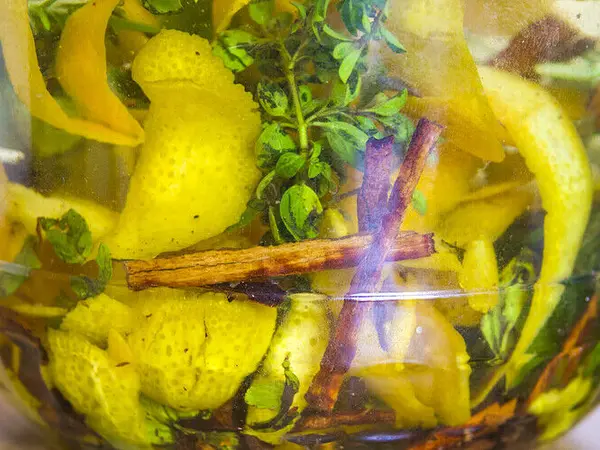
macerate
[mas-uh-reyt]
to soften or separate into parts by steeping in a liquid

defenestrate
[dee-fen-uh-streyt]
to suddenly remove (a person) from an important position or office