
still
adjectiveDefinition
What Makes This Word Tick
Still describes a state of not moving or making a sound—calm and quiet enough that you can almost feel the pause. You’ll use it for places, moments, or even an atmosphere when everything seems settled rather than bustling. It’s calmer than “quiet” alone because it also hints at no motion, not just low volume.
If Still Were a Person…
Still would be the person who lowers their voice without being asked and somehow makes the room soften with them. They don’t rush, they don’t fidget, and they’re comfortable in silence. Being around them feels like a breath held gently, not tightly.
How This Word Has Changed Over Time
Still has kept its core sense of quiet, unmoving calm, and it continues to describe moments where sound and motion both drop away. Over time, it has remained a reliable, everyday way to signal peacefulness without needing extra explanation.
Old Sayings and Proverbs
Proverb-style language often treats stillness as the condition where you can notice what you’d miss in noise and motion. That fits this word because “still” is exactly the calm, quiet pause that makes small details stand out.
Surprising Facts
Still is a strong scene-setter because it compresses two ideas—silence and lack of movement—into one small word. It can describe an environment, but it can also suggest a feeling in the air, like tension settling or peace arriving. Writers love it because it changes the pace of a moment instantly.
Out and About With This Word
You’ll often see still used in nature descriptions, quiet indoor scenes, and any moment when activity pauses. It also fits everyday conversation when someone wants to emphasize calm: not just quiet, but motionless too. The word works best when there’s a sense of hush and steadiness together.
Pop Culture Moments Where Still Was Used
In pop culture, the idea of “still” often shows up right before something changes—when everything goes calm and quiet so the next moment lands harder. That reflects the meaning because stillness creates a noticeable pause in motion and sound, like the world holding its breath.
The Word in Literature
In literature, still is used to slow time and sharpen attention, making silence and lack of movement feel vivid. It can create peace, tension, or intimacy depending on what surrounds it. The word gives readers a sensory cue that the scene has settled into calm and quiet.
Moments in History with Still
The concept of stillness fits moments remembered as pauses—quiet intervals between action, where people observe, wait, or gather themselves. That matches the definition because “still” names the calm, quiet lack of movement that makes a pause feel real.
This Word Around the World
Many languages have a compact adjective for this same idea: quiet, unmoving calm, often used for weather, water, and rooms. The shared concept stays consistent because stillness is a universal experience of silence plus no motion.
Where Does It Come From?
Still comes from Old English stil, tied to the idea of being motionless or quiet. That origin matches how the word still behaves today: it points to calm that you can hear and see—no sound and no movement.
How People Misuse This Word
Still is sometimes used when the situation is only quiet but not motionless, or only motionless but not quiet. If you mean only one side of the meaning, a more specific word like “silent” or “motionless” may be clearer.
Words It’s Often Confused With
Still is often confused with silent, but silent focuses on sound while still includes lack of movement too. It can also be confused with peaceful, which describes a feeling or mood, while still describes the physical state of calm and quiet.
Additional Synonyms and Antonyms
Additional Synonyms: placid, hushed, undisturbed Additional Antonyms: agitated, bustling, clamorous
Want to Try It Out in a Sentence?
"The lake was so still that it reflected the surrounding trees like a mirror."
Explore more words

banshee
[ban-shee]
(in Irish legend) a female spirit whose wailing warns of an impending death in a house

accrete
[uh-kreet]
to grow together; adhere (usually followed by to)

nourish
[nur-ish]
to sustain with food or nutriment; supply with what is necessary for life, health, and growth

frenzied
[fren-zeed]
wildly excited, enthusiastic, or agitated; frantic

ailurophile
[ahy-loor-uh-fahyl]
a person who likes cats; cat fancier

remunerative
[ri-myoo-ner-uh-tiv]
affording remuneration; profitable

pylon
[pay-lon]
a marking post or tower for guiding aviators, frequently used in races

overlord
[ov-erl-ord]
a person in authority, especially one who exercises control in a domineering way.
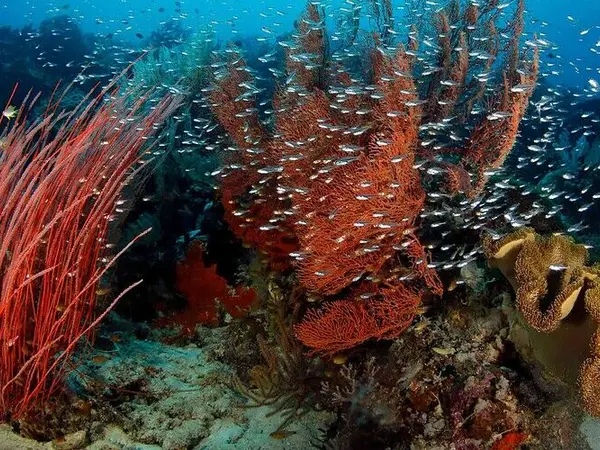
teeming
[tee-ming]
abounding or swarming with something, as with people
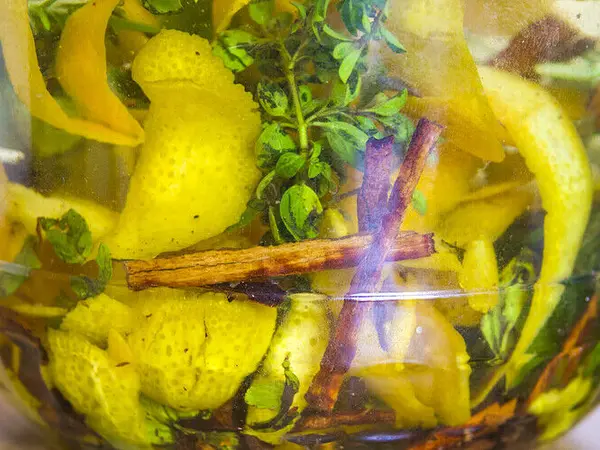
macerate
[mas-uh-reyt]
to soften or separate into parts by steeping in a liquid

malign
[muh-lahyn]
to speak harmful untruths about; speak evil of; slander; defame

chutzpah
[hutz-pah]
informal shameless audacity; impudence

roust
[roust]
cause to get up or start moving; rouse

circumspect
[sur-kuhm-spekt]
watchful and discreet; cautious; prudent; well-considered
posthumous
[pos-chuh-muhs]
arising, occurring, or continuing after one’s death

aberration
[ab-uh-rey-shuhn]
a departure from what is normal, usual, or expected, typically one that is unwelcome