core
nounDefinition
What Makes This Word Tick
Core names the central, most important part—the piece everything else depends on or circles around. It’s a clarity word: it helps you separate what matters most from details on the edge. Compared with center, core often feels more essential, like the “heart” of the matter rather than just the middle.
If Core Were a Person…
Core would be the friend who keeps asking, “Okay, but what’s the real point?” They’re steady, direct, and not easily distracted by side issues. When they speak up, the conversation snaps back to what actually matters.
How This Word Has Changed Over Time
Core has long carried the sense of “central” and “most important,” and that meaning remains strong. What shifts is how broadly it’s applied—people use it for problems, beliefs, plans, and systems whenever they want the main point.
Old Sayings and Proverbs
A proverb-style idea that matches this word is that you can’t fix the branches if the trunk is splitting. This reflects the core idea that the central issue (the core) matters more than surface symptoms.
Surprising Facts
Core is often used in problem-solving because it implies there’s a single central point beneath lots of noise. It can also make arguments sharper by forcing a distinction between essentials and extras. In writing, it’s a quick signal to readers that you’re focusing on what’s most important.
Out and About With This Word
You’ll often see core in meetings, essays, and everyday debates when people try to identify the main issue. It also shows up in learning contexts where someone highlights foundational concepts. Any time you’re sorting essentials from details, core fits naturally.
Pop Culture Moments Where Core Was Used
In pop culture, this idea often shows up in stories where a mystery has a single central truth, or a hero has a defining principle at their center. “Getting to the core” is the emotional move: stripping away distractions until the real issue is visible. The concept works because audiences recognize that the main thing is rarely the loudest thing.
The Word in Literature
In literary writing, core is often used when authors want to spotlight a central theme, motive, or conflict without over-explaining it. It can tighten a paragraph by naming the essential point and letting the surrounding details support it. For readers, it acts like a signpost: this is what to hold onto.
Moments in History with Core
Throughout history, this concept appears whenever people debate what’s fundamental—core values, central demands, or the main cause behind a dispute. Naming the core helps groups decide what can be compromised and what cannot. The idea matters most in high-stakes moments where priorities must be clarified.
This Word Around the World
Across languages, this idea is usually expressed through words that mean heart, center, or essence, though the best match depends on whether you mean “middle” or “most important.” Some equivalents lean more physical (center), while others lean more abstract (essence). The shared meaning is the same: the main part everything depends on.
Where Does It Come From?
Core is traced to a word for “heart,” which neatly explains its metaphorical power. Calling something the core suggests it’s not just central—it’s essential, like the part that keeps the whole thing alive. That origin is why core often feels more meaningful than a simple “middle.”
How People Misuse This Word
A common misuse is labeling a minor detail as the core, which weakens the point you’re trying to make. Another slip is using core when you only mean location (the center) rather than importance; core usually implies significance, not just position.
Words It’s Often Confused With
Center can mean the middle without implying importance, while core usually does both. Essence is close but more abstract and philosophical, focusing on what something truly is. Crux points to a decisive difficulty or key point, while core can be the main part even without a problem attached.
Additional Synonyms and Antonyms
Additional Synonyms: kernel, hub, backbone, centerpiece Additional Antonyms: margin, fringe, outskirts, shell
Want to Try It Out in a Sentence?
"The core of the issue lay in miscommunication between the departments."
Explore more words

brumal
[broo-muhl]
wintry

glamour
[gl-am-our]
the alluring or fascinating quality that makes something seem special, exciting, or desirable.

ostracism
[os-tra-ism]
exclusion from a group

analgesic
[an-alg-sic]
something that reduces pain
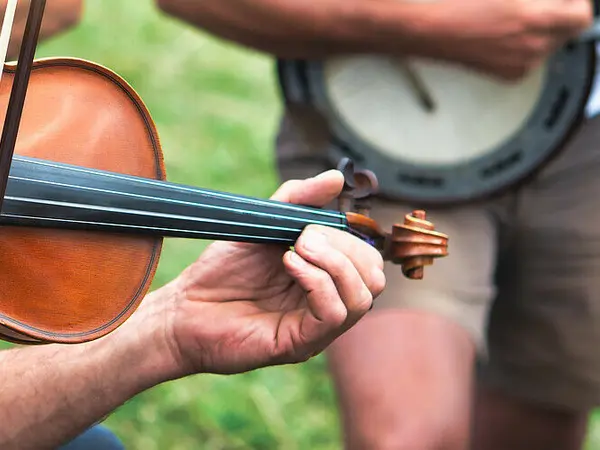
hootenanny
[hoot-n-an-ee, hoot-nan-ee]
a social gathering or informal concert featuring folk singing and, sometimes, dancing

flippant
[flip-uhnt]
frivolously disrespectful, shallow, or lacking in seriousness

strident
[strahyd-nt]
making or having a harsh sound; grating; creaking

beguile
[bih-gahyl]
to pass time pleasantly

relic
[rel-ik]
an object surviving from an earlier time, especially of historical interest

puerile
[pyoo-er-il]
childishly foolish, immature, or trivial

picayune
[pik-ee-yoon]
of little value or account; small; trifling

camaraderie
[kah-muh-rah-duh-ree]
mutual trust and friendship among people who spend a lot of time together

elusive
[ih-loo-siv]
eluding or failing to allow for or accommodate a clear perception or complete mental grasp; hard to express or define

forage
[fawr-ij]
to search about; seek; rummage; hunt

crime
[krahym]
an illegal act for which someone can be punished by the government

incendiary
[in-sen-dee-er-ee]
used or adapted for setting property on fire