accord
nounDefinition
What Makes This Word Tick
Accord is a tidy word for an agreement—especially one reached after discussion, compromise, or careful back-and-forth. It suggests alignment, as if two sides have found a way to match up on the same page. In spirit, it points toward coming together rather than staying stuck in disagreement, even if the details took work to settle.
If Accord Were a Person…
If Accord were a person, they’d be the calm mediator who listens closely and keeps the conversation moving. They don’t need the spotlight; they just want everyone to land somewhere workable. You’d recognize them by their talent for turning tension into a clear, shared “yes.”
How This Word Has Changed Over Time
Accord has mostly stayed steady as a word about agreement and harmony, even as the contexts around it have changed. It’s commonly used for formal decisions as well as everyday understandings between people.
Old Sayings and Proverbs
Classic proverbs don’t always use the word accord directly, but plenty of sayings revolve around the same idea: cooperation beats conflict. A proverb-style idea here is that agreement is easier to keep when it’s built on fairness, not pressure.
Surprising Facts
Accord can sound official, but it doesn’t have to be—people can reach an accord in a family chat just as easily as in a negotiation room. It also often implies an outcome, not just a discussion: the talking happened, and now there’s a settled understanding. The word carries a hint of “we worked for this.”
Out and About With This Word
You’ll see accord in newsy writing, workplace documents, and any situation where people are trying to formalize shared terms. It’s also a useful choice when you want to sound neutral and constructive, especially when describing compromise. In everyday speech, it can add a little polish to “agreement.”
Pop Culture Moments Where Accord Was Used
Stories love the moment when rivals finally reach an accord, because it signals a turning point—less fighting, more forward motion. In films and series, it’s the scene where the argument ends and the plan begins.
The Word in Literature
In literature, accord tends to appear when relationships shift from conflict to cooperation, or when a character chooses peace over pride. It’s a clean way to show resolution without overexplaining the emotional process.
Moments in History with Accord
Historically, the idea of an accord shows up whenever groups formalize a shared understanding to move past a dispute. The word fits moments defined by negotiation, compromise, and setting terms for what comes next.
This Word Around the World
Many languages have a close equivalent for “agreement” that can carry the same feeling of alignment and settled terms. Depending on the language, the closest match might lean more legal/formal or more interpersonal.
Where Does It Come From?
The inventory points to Old French, tied to a Latin idea of bringing hearts together—a fitting image for a word about reaching shared ground. That origin note matches how accord still feels today: agreement as a form of alignment, not just paperwork.
How People Misuse This Word
People sometimes use accord as if it means a single opinion, but it’s really about shared agreement between at least two sides. Another slip is treating it like a vague “conversation,” when the word suggests an outcome—terms that have been settled. If there’s no meeting of minds yet, it’s not an accord.
Words It’s Often Confused With
Accord is often confused with compromise, which emphasizes what each side gives up, while accord emphasizes the agreement reached. It can also be mixed up with consensus, which suggests broader group alignment rather than a negotiated settlement. Agreement is the simplest near-match, but accord can feel more formal and deliberate.
Additional Synonyms and Antonyms
Additional Synonyms: pact, understanding, settlement Additional Antonyms: dispute, conflict, discord
Want to Try It Out in a Sentence?
"After much negotiating, England and Iceland finally came to a mutually beneficial accord about fishing rights off the coast of Greenland."
Explore more words

chasm
[kaz-uhm]
a yawning fissure or deep cleft in the earth's surface; gorge

suborn
[suh-bawrn]
in law, to induce (a person, especially a witness) to give false testimony

glut
[gluht]
to feed or fill to excess; cloy
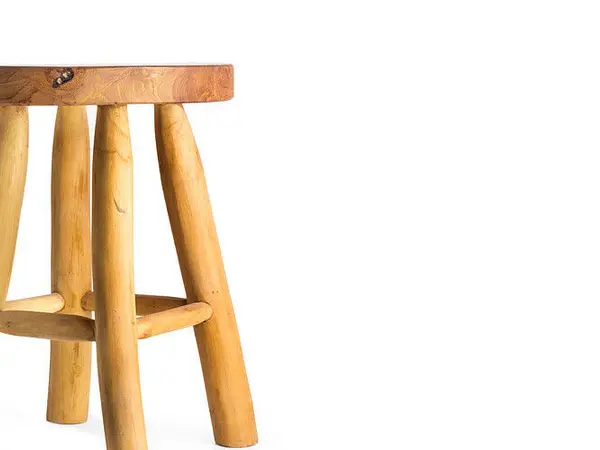
taboret
[tab-er-it]
a stool-like seat for one person

pretermit
[pree-ter-mit]
to let pass without notice; disregard

pylon
[pay-lon]
a marking post or tower for guiding aviators, frequently used in races

picayune
[pik-ee-yoon]
of little value or account; small; trifling

encroaching
[en-kroh-ching]
advancing beyond proper, accepted, or usual limits; making gradual inroads into or onto something

kvetch
[kvech]
to complain, especially chronically
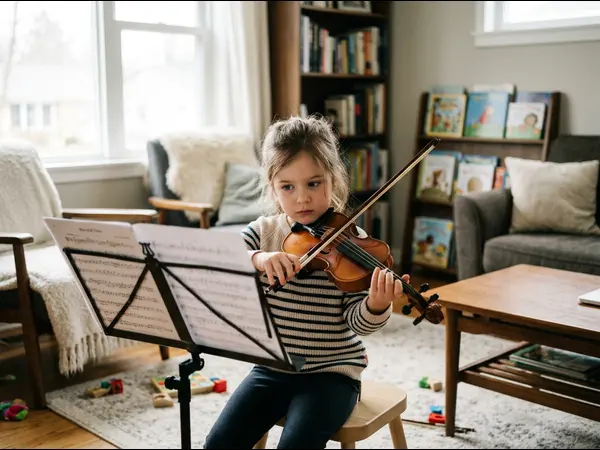
precocious
[pr-eco-ous]
advanced, developing ahead of time

animus
[an-uh-mus]
strong hostility or ill feeling

malign
[muh-lahyn]
to speak harmful untruths about; speak evil of; slander; defame

leadership
[lee-der-ship]
the action or ability to lead a group or organization

dilly-dally
[dil-ee-dal-ee]
to waste time or be indecisive

fledgling
[flej-ling]
young, new, or inexperienced
vitiate
[vish-ee-eyt]
to impair or weaken effectiveness and quality of