
aberration
nounDefinition
What Makes This Word Tick
"Aberration" is one of those words that adds a dash of drama to any conversation. It's used to describe something that deviates from the norm, be it a bizarre weather pattern or an unusual decision by your usually predictable neighbor.
If Aberration Were a Person…
Meet Aberration, the intriguing black sheep of the family who always has the most captivating stories at holiday gatherings. Aberration thrives on unpredictability and is the ultimate party guest, never failing to surprise and entertain.
How This Word Has Changed Over Time
Originally grounded in astronomy, "aberration" referred to the deviation of light. Over time, it escaped the telescopes and began to paint vivid pictures of any deviation from what's expected-like that kooky twist in a soap opera plot.
Old Sayings and Proverbs That Use Aberration
While old-timey words like "quoth" or "shilling" lend themselves to proverbs, "aberration" is more of a modern charmer. Imagine a wise elder saying: “Even a true heart can have an aberration.
Surprising Facts About Aberration
Did you know that in astronomy, aberration affects not just stars but also the path of planets? Talk about cosmic goof-ups! Further, in genetics, aberration refers to a change that alters the function of genes, showing how versatile this word can be.
Out and About With This Word
You might find "aberration" making a cameo in a crime drama, where the detective discovers an aberration in the otherwise perfect crime scene. It's also a favorite in medical mysteries where patients present with symptoms that defy conventional diagnosis.
Pop Culture Moments Where Aberration Was Used
In the world of sci-fi and fantasy, "aberration" often pops up to describe bizarre anomalies or creatures that defy all science. Remember that episode in your favorite series where the protagonist faces a reality-warping aberration? Goosebumps!
The Word in Literature
Authors like to sprinkle "aberration" across tense moments, especially in thrillers and mysteries when something just doesn't add up. It resonates with the tension of breaking the mold, challenging heroes to adapt or fall.
Moments in History with Aberration
Consider the early 20th century, when the world unexpectedly pivoted into the Roaring Twenties-a lively aberration following the somber First World War. Such moments remind us how deviation can drive historical shifts.
This Word Around the World
Around the globe, concepts similar to "aberration" exist, like the French "aberration" or the German "Abweichung," each embodying a cultural flair for describing the unexpected. These words capture how deviation is a universal experience.
Where Does It Come From?
The roots of "aberration" lie in Latin, with "aberratio" meaning a wandering away. Imagine a wanderer straying off the path-the quintessential image of any aberration!
How People Misuse This Word
Some might throw "aberration" around to describe minor quirks, but it packs more punch for events that truly break the mold. Using it for minor deviations might raise an eyebrow among word aficionados.
Words It's Often Confused With
- Deviation: While related, deviation is more neutral, lacking the dramatic flair of an aberration.
- Anomaly: Often scientific, it misses the unpredictable, erratic charm of aberration.
- Irregularity: This is more about routine disruptions than the off-the-wall nature of an aberration.
Additional Synonyms and Antonyms
Synonyms for "aberration" include anomaly, deviation, and divergence. Antonyms would be normality, regularity, and conformity.
Want to Try It Out in a Sentence?
"The town's unusually warm December was an aberration, leaving snow shovels and winter coats to gather dust."
Explore more words

cheered
[cheerd]
filled with gladness or encouragement

cultivate
[kuhl-tuh-veyt]
to promote the growth or development of; foster

dichotomy
[dahy-kot-uh-mee]
a division or contrast between two things that are or are represented as being opposed or entirely different

prophet
[prof-it]
a person regarded as an inspired teacher or proclaimer of the will of god
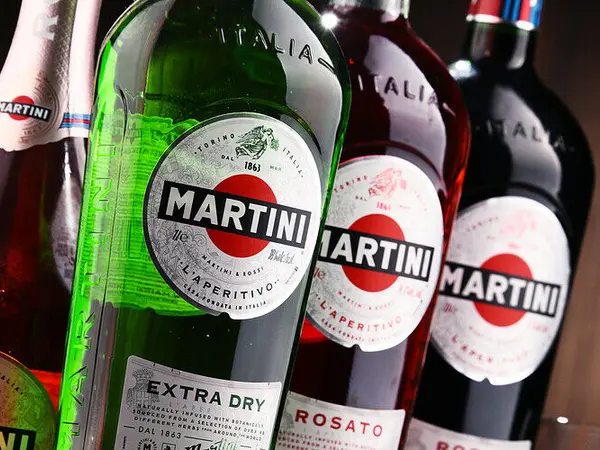
vermouth
[ver-mooth]
a white wine in which herbs, roots, barks, and bitters have been steeped to make it aromatic
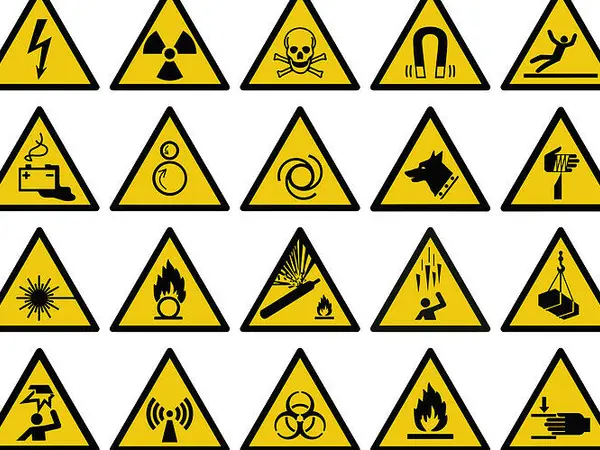
deleterious
[del-i-teer-ee-uhs]
injurious to health
rufescent
[roo-fes-uhnt]
somewhat reddish; tinged with red; rufous
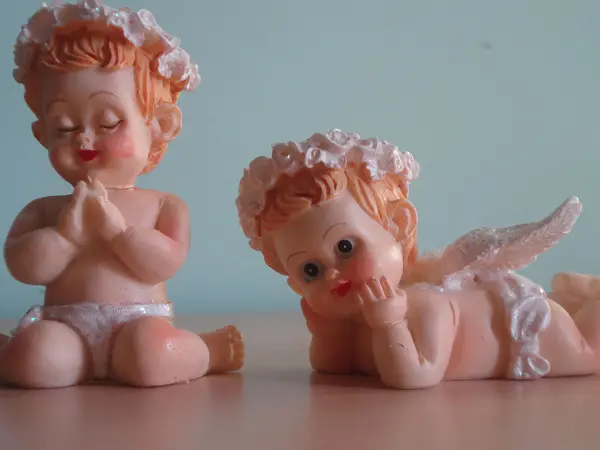
cherubic
[chuh-roo-bik]
of or having the nature of a cherub, or an angel represented as a rosy-cheeked child with wings; angelic

complacency
[kuhm-pley-suhn-see ]
a feeling of quiet pleasure or security, often while unaware of some potential danger, defect, or the like; self-satisfaction or smug satisfaction with an existing situation, condition, etc.
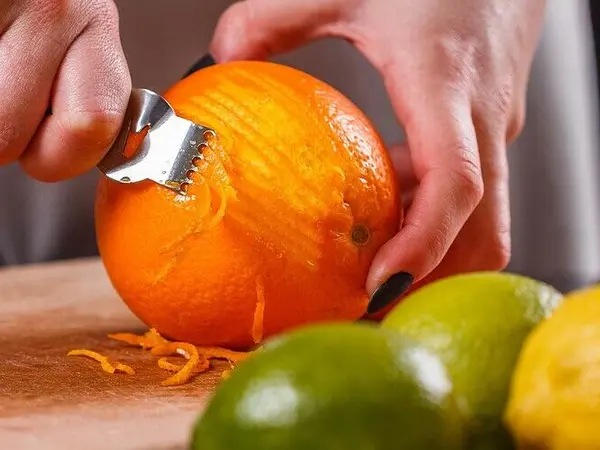
zest
[zest]
the outer, colorful part of the peel of citrus fruit, like lemon or orange, used as a flavoring agent

impecunious
[im-pi-kyoo-nee-uhs]
having little or no money; penniless; poor

marital
[mar-i-tl]
of or relating to marriage; conjugal; matrimonial

impetuous
[im-pech-oo-uhs]
acting or done quickly and without thought or care

defenestrate
[dee-fen-uh-streyt]
to suddenly remove (a person) from an important position or office

attention
[uh-ten-shuhn]
notice taken of someone or something

impromptu
[im-promp-too]
made or done without previous preparation