twisted
nounDefinition
What Makes This Word Tick
Twisted describes something bent, distorted, or deformed, and it can also point to something complex or perverse. It can be physical (crooked, curving) or conceptual (indirect, warped in a troubling way). Compared with “bent,” twisted often feels more dramatic, as if the shape or idea has been noticeably altered.
If Twisted Were a Person…
Twisted would be the person who never takes the direct route, either in movement or in thinking. They’re complicated, unpredictable, and sometimes unsettling because their logic bends away from what feels straightforward. Being around them feels like following a path that keeps turning.
How This Word Has Changed Over Time
Twisted has long carried the physical sense of being bent or distorted, and it also remains common for describing ideas or behavior that feel warped or perverse. Modern usage still relies on that same shift from shape to mindset, while keeping the core “not straight” idea intact.
Old Sayings and Proverbs
A proverb-style idea that matches twisted is that crooked paths can hide what’s really going on. This reflects the definition because twisted can describe something physically crooked or something indirect and complex in a troubling way.
Surprising Facts
Twisted can do double duty: it’s a shape word and a judgment word, depending on context. It often intensifies description because it suggests visible distortion rather than a mild curve. The “indirect” sense also makes it useful for describing arguments or plans that avoid a straight line.
Out and About With This Word
You’ll see twisted in physical description—branches, metal, fabric, roads—where something bends away from straight. You’ll also see it in storytelling and commentary when a situation or mindset feels warped, complicated, or perversely indirect. The word fits best when the distortion is noticeable, not subtle.
Pop Culture Moments Where Twisted Was Used
In pop culture, the idea appears in plots with surprising turns or characters whose thinking feels warped and indirect. That reflects the meaning because twisted can describe both a bent shape and a complex or perverse turn in how something unfolds.
The Word in Literature
In literature, twisted is a fast way to add mood: it can make scenery feel eerie through distorted shapes, or make motives feel unsettling through perverse complexity. Writers choose it when they want the reader to sense a bend away from the normal or straight. It often sharpens tone by suggesting alteration rather than neutrality.
Moments in History with Twisted
The concept fits any context where physical materials bend under force, and also any human context where plans or reasoning become indirect and warped. That aligns with the definition because twisted covers both visible distortion and troubling complexity without needing separate words.
This Word Around the World
Across languages, this idea is often expressed with words meaning bent/crooked for the physical sense and warped/perverse for the conceptual sense. The dual meaning is common because people naturally map shape distortion onto distorted thinking.
Where Does It Come From?
The provided etymology line is not clear enough to expand safely, but the modern meaning is consistent with the basic idea of something turned away from straight. What matters in use is the sense of distortion—physical bending or conceptual warping.
How People Misuse This Word
Twisted is sometimes used as a generic insult, but it’s most accurate when something is truly distorted, indirect, or perversely complex. If you only mean “unusual,” a less loaded word can be clearer.
Words It’s Often Confused With
Twisted is often confused with bent, but bent can be mild while twisted suggests more distortion or turning. It can also be confused with complicated, which doesn’t necessarily imply distortion or perversity, while twisted often does.
Additional Synonyms and Antonyms
Additional Synonyms: contorted, warped, misshapen Additional Antonyms: upright, true, direct
Want to Try It Out in a Sentence?
"The twisted branches of the old tree formed an eerie silhouette against the moonlight."
Explore more words

crime
[krahym]
an illegal act for which someone can be punished by the government

tostones
[toh-stoh-nehs]
thick slices of green plantain that are fried, flattened, and then fried again.

coax
[kohks]
to manipulate to a desired end by adroit handling or persistent effort

pretend
[pr-et-end]
to act as if something is true when it is not; also refers to make-believe behavior.

kvetch
[kvech]
to complain, especially chronically

estranged
[ih-streynjd]
no longer in a friendly or affectionate relationship with a family member or friend, and typically living apart

pungent
[puhn-juhnt]
sharply affecting the organs of taste or smell, as if by a penetrating power; biting; acrid

fabricate
[fab-ri-keyt]
to devise or invent (a legend, lie, etc.)

transpire
[tran-spahyuhr]
to occur, happen; take place
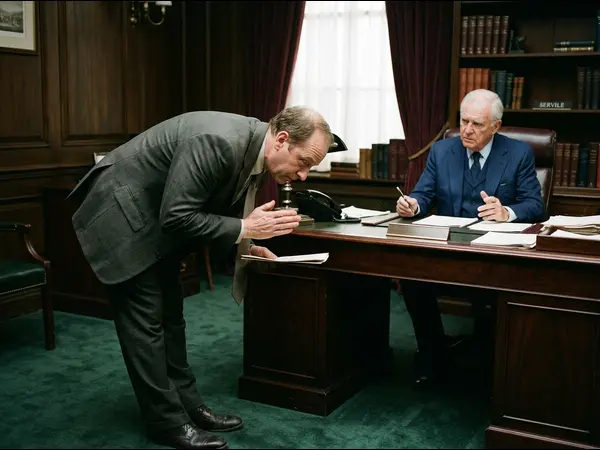
servile
[se-rvi-ile]
subservient

czar
[zahr]
(with a capital letter) the former ruler of Russia

sienna
[see-en-uh]
the color of such a pigment

inset
[in-set]
a small picture or map within a larger one
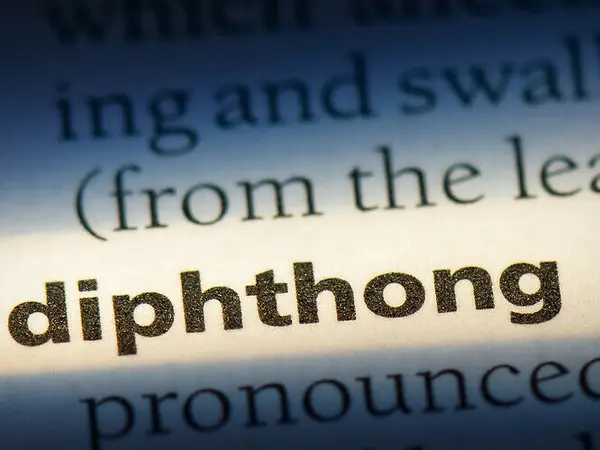
diphthong
[dif-thawng]
a sound formed by the combination of two vowels in a single syllable, in which the sound begins as one vowel and moves toward another (as in coin, loud, and side)
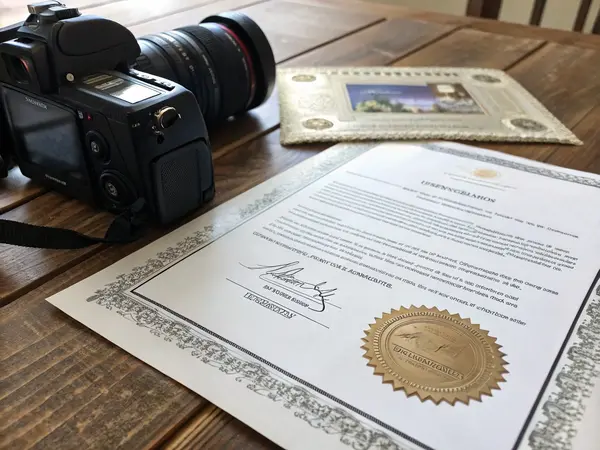
authentic
[aw-then-tik]
genuine, real, or original; not a copy, imitation, or counterfeit; conforming to the source or representing true characteristics or qualities.

tomfoolery
[tom-foo-luh-ree]
a silly act, matter, or thing