
saunter
verbDefinition
What Makes This Word Tick
"Saunter" is not your usual walk-it's a leisurely stroll, imbued with an air of carefreeness and unhurried enjoyment. It's as if the act of moving itself is being savored, feet lightly pacing as if there's not a single worry in the world. Who wouldn't want to saunter through life?
If Saunter Were a Person…
Imagine a charming old gent, perhaps in a well-worn hat, twirling a cane. This is not someone rushing to catch a bus, but rather a character enjoying the journey as much as the destination. He might offer you a nod and a smile, inviting you to take life at a more relaxed pace.
How This Word Has Changed Over Time
Throughout the ages, saunter has always carried that laid-back vibe, but its early origins were less whimsical. Some speculate it may have stemmed from the French phrase "à la sainte terre" meaning "to the holy land," suggesting a pilgrim's leisurely journey. The word has since left its potential religious roots to embrace something no less profound-the art of living slowly.
Old Sayings and Proverbs That Use Saunter
While it doesn't feature heavily in famed proverbs, the spirit of sauntering is embedded in phrases like "Take time to smell the roses," offering a timeless reminder to slow down and enjoy the moment.
Surprising Facts About Saunter
Here's a amusing nugget: The philosophical transcendentalist Henry David Thoreau wrote an entire essay titled "Walking," where he extolled the virtues of sauntering, seeing it as a way of truly engaging with the world.
Out and About With This Word
You might find yourself suggesting a saunter through a new neighborhood or along a beach at sunset. It's not about the miles or the speed, but about experiencing surroundings with all your senses truly awake.
Pop Culture Moments Where Saunter Was Used
When Cary Grant or Fred Astaire appeared onscreen, one might say they sauntered rather than walked. These Hollywood legends moved with a nonchalant grace, capturing the essence of the word with every step.
The Word in Literature
The word saunter often crops up in descriptions of characters meandering through fields or city streets, capturing moments when protagonists are lost in thought or contemplation-think of Austen's heroines or a Dickens street scene.
Moments in History with Saunter
In the 19th century, as urban parks became popular, sauntering became somewhat of a cultural phenomenon-a way for people to see and be seen, weaving casually through the pathways of places like Central Park in New York.
This Word Around the World
While "saunter" has its own unique flavor in English, the concept of a leisurely stroll exists globally. In Japan, the practice of “shinrin-yoku” or forest bathing, encompasses a similar idea of moving slowly through nature to soak up the atmosphere.
Where Does It Come From?
The word "saunter" has an air of mystery about its origin. It possibly comes from the Middle English "santren," with a sense of musing or lingering. Alternatively, it might connect to the French "s'aventurer," which means to take an adventure.
How People Misuse This Word
Some might mistake saunter for just a fancy word for walking, overlooking its emphasis on the leisurely and unhurried nature of the movement.
Words It's Often Confused With
- Amble: While an amble is also relaxed, it's generally less purposeful than the meandering tone "saunter" often implies.
- Stroll: Both suggest leisure, but a stroll can be more casual and less synonymous with the cadence of sauntering.
- Wander: This implies a lack of destination, whereas sauntering carries a softer sense of aim.
Additional Synonyms and Antonyms
Synonyms you might enjoy are "ramble," "meander," or "mosey." On the flip side, antonyms would include "rush," "sprint," or "hustle."
Want to Try It Out in a Sentence?
On Sundays, she loved nothing more than to saunter through the local park, basking in the tranquility and quiet beauty of her surroundings.
Explore more words

felicific
[fee-luh-sif-ik]
relating to or promoting increased happiness
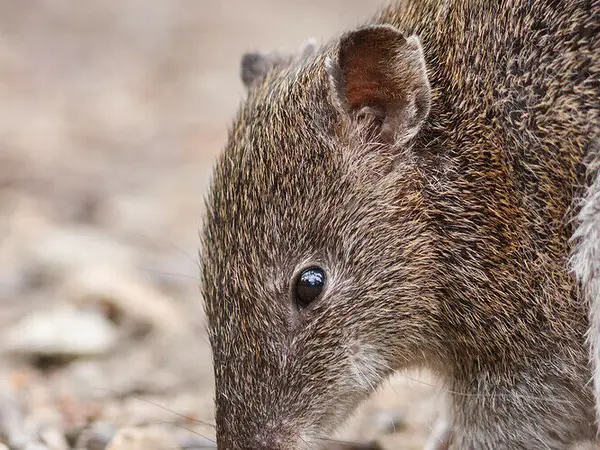
bandicoot
[ban-di-koot]
a mainly insectivorous marsupial native to Australia and New Guinea

unprecedented
[un-pre-ted]
entirely new

estranged
[ih-streynjd]
displaying or evincing a feeling of alienation; alienated

beset
[bih-set]
to trouble or surround persistently
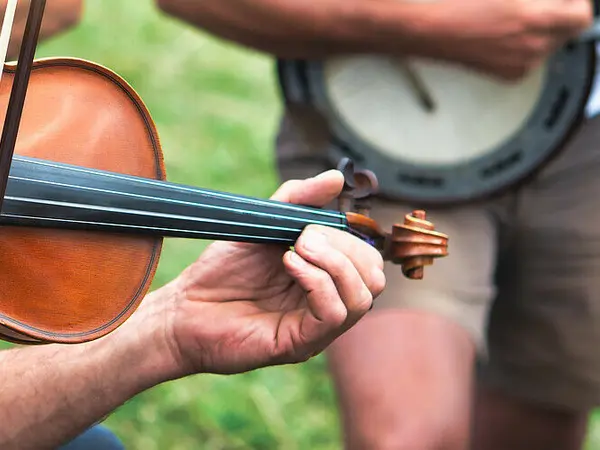
hootenanny
[hoot-n-an-ee, hoot-nan-ee]
a social gathering or informal concert featuring folk singing and, sometimes, dancing

avaricious
[av-uh-rish-uhs]
characterized by avarice; greedy; covetous

dilatory
[dil-uh-tawr-ee]
tending to delay or procrastinate; slow; tardy

adulate
[aj-uh-leyt]
to show excessive admiration or devotion to; flatter or admire servilely

yearning
[yur-ning]
deep longing, especially when accompanied by tenderness or sadness

flippant
[flip-uhnt]
frivolously disrespectful, shallow, or lacking in seriousness

dungarees
[duhng-guh-ree]
work clothes, overalls, etc. made of blue denim

pithy
[pith-ee]
brief, forceful, and meaningful in expression; full of vigor, substance, or meaning; terse; forcible

amorphous
[uh-mawr-fuhs]
without a clearly defined shape or form; lacking a clear structure or focus

insipid
[in-sip-id]
without distinctive, interesting, or stimulating qualities; vapid

prodigious
[pruh-dij-uhs]
extraordinary in size, amount, extent, degree, force, etc.