flippant
adjectiveDefinition
What Makes This Word Tick
Flippant” is one of those words that can sneak into a conversation and instantly change its tone. It's used to describe a certain casualness, often marked by a hint of disrespect or dismissal. Imagine someone responding to a serious question with a bit too much levity – that's where the adjective steps in to make sense of the situation.
If Flippant Were a Person…
This person might be the charming friend who sometimes doesn't quite grasp the gravity of a moment. They have a knack for light-hearted banter and perhaps a penchant for bouncing from one topic to another with quick-witted jokes. Rarely malicious, but sometimes missing the emotional mark.
How This Word Has Changed Over Time
Originally from the 17th century, "flippant" started with the sense of being nimble or quick. This evolved, perhaps reflecting how speed and cleverness could lead someone to say something without adequate forethought. Over time, its sharpness honed in on a lack of seriousness, often stepping on the toes of decorum.
Old Sayings and Proverbs That Use Flippant
While "flippant" isn't a staple in traditional sayings, the spirit of the word dances through phrases like "a fool's tongue is long enough to cut his own throat," reminding us that sometimes light words can carry heavy consequences.
Surprising Facts About Flippant
Interestingly, “flippant” hasn't just stayed in English. It's popped into other languages through vocabulary borrowings, reminding us of the universality of human behaviors across cultures. This word's leap from "nimble" to "disrespectful" offers a fascinating peek into language evolution.
Out and About With This Word
In everyday conversations, "flippant" might come up when someone wants to gently reprimand another for not taking something seriously. Perhaps at a family gathering, when someone jokes about an old family drama, an aunt might remark on their flippant attitude.
Pop Culture Moments Where Flippant Was Used
This word often finds its way into TV scripts for comedy, especially when a character is being cheekily dismissive. Think of shows like "Friends" or "The Office," where humor often undercuts the tension of the moment. "Flippant" perfectly characterizes those quips that make us laugh while shaking our heads.
The Word in Literature
In literature, “flippant” frequently adds depth to character interactions, particularly in dialogue-heavy narratives. Jane Austen's novels often feature characters with a certain flippancy, masking deeper vulnerabilities.
Moments in History with Flippant
In history, flippant remarks have sometimes had significant repercussions. Consider the lead-up to World War I, where diplomatic quibbles might have been seen as flippant disregard of the impending doom. Moments where lack of seriousness met historic consequences could easily wear the “flippant” badge.
This Word Around the World
Globally, the idea of being "flippant" is not confined to a single culture. Words like "leggero" in Italian capture a similar essence of lightness or carelessness. Cultural nuances might vary, but the essence of irreverence remains.
Where Does It Come From?
Flippant” hails from the verb “flip,” tracing back to the 1600s when being flippant was akin to flipping ideas around without sticking the landing. The historical progression has taken it from lively and nimble to dismissive and irreverent.
How People Misuse This Word
Some might use "flippant" incorrectly to describe anything light-hearted. However, it's more accurately applied to scenarios where a serious overtone is breezily ignored, not just when things are casual or jovial.
Words It's Often Confused With
- Facetious: Often confused because both involve humor, but facetiousness is more about intention and playfulness.
- Frivolous: Both imply a lack of seriousness, but frivolous leans more toward triviality.
- Sarcastic: Sarcasm may carry a biting intent that flippancy doesn't, which is more carefree.
Additional Synonyms and Antonyms
Synonyms include "glib," "offhand," and "nonchalant." Antonyms might be "serious," "grave," or "solemn," which offer the gravitas that flippancy lacks.
Want to Try It Out in a Sentence?
"His flippant remarks during the meeting did nothing to address the pressing issues at hand, though they did lighten the mood temporarily."
Explore more words

bibliopole
[bib-lee-uh-pohl]
a person who buys and sells books, especially rare ones

epic
[ep-ik]
a long narrative poem or a grand and heroic story

pusillanimous
[pyoo-suh-lan-uh-muhs]
lacking courage or resolution; cowardly; faint-hearted; timid

stood
[stood]
rose to an upright position.
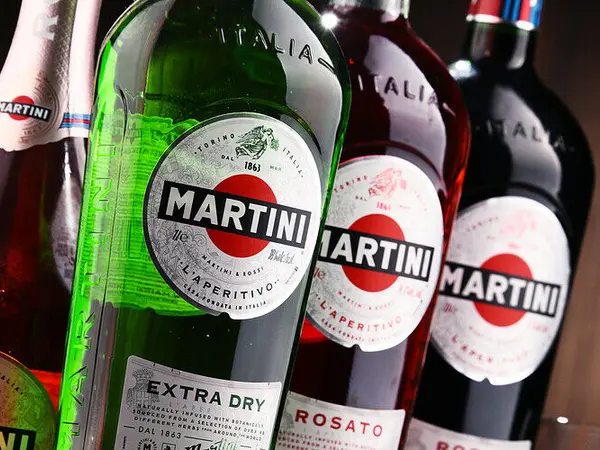
vermouth
[ver-mooth]
a white wine in which herbs, roots, barks, and bitters have been steeped to make it aromatic

perky
[pur-kee]
jaunty; cheerful; brisk; pert

docile
[dos-uhl]
ready to accept control or instruction; submissive

evolution
[ev-uh-loo-shun]
a process in which something passes by degrees to a different stage (especially a more advanced or mature stage)
moria
[môr′ē-ə]
dullness of mind; mental lethargy; a mental state characterized by frivolity, joviality, and the inability to be serious

czar
[zahr]
(with a capital letter) the former ruler of Russia

glean
[gleen]
to collect or gather anything little by little or slowly

verdant
[vur-dnt]
of the color green

binding
[bahyn-ding]
tying or securing something; obligatory

pithy
[pith-ee]
brief, forceful, and meaningful in expression; full of vigor, substance, or meaning; terse; forcible

pachyderm
[pak-i-durm]
a very large mammal with thick skin, especially an elephant, rhinoceros, or hippopotamus
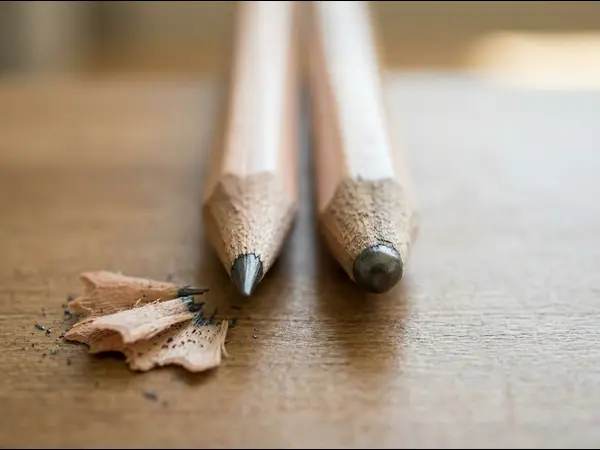
blunt
[bluhnt]
having a dull edge or being straightforward