
adjure
nounDefinition
What Makes This Word Tick
Adjure is about urging someone with intensity—an earnest push that goes beyond a casual request. It’s the kind of word you reach for when the appeal feels serious, even weighty. Compared with urge, adjure can sound more formal, while beseech often highlights emotional pleading.
If Adjure Were a Person…
If Adjure were a person, they’d be the one leaning in, eyes steady, asking for action like it truly matters. They don’t nag; they insist with purpose. You feel the urgency in their voice, like they’re calling you to step up.
How This Word Has Changed Over Time
Adjure tends to keep a formal, serious tone, even when used in modern writing. Its core meaning—earnestly urging someone—has remained stable, though it’s more likely to appear in elevated or dramatic contexts than casual conversation.
Old Sayings and Proverbs
A proverb-style idea that matches adjure is that the most serious requests are the ones made when time is short and stakes feel high. This reflects the word’s sense of urgent urging rather than ordinary asking.
Surprising Facts
Adjure is one of those words that instantly raises the formality level of a sentence. It often suggests not just a request, but a moral or duty-based appeal, depending on context. Because it’s so intense-sounding, it’s usually chosen on purpose for emphasis, not by accident.
Out and About With This Word
You’ll often see adjure in speeches, formal writing, or dramatic storytelling where someone is making a serious appeal. It can fit historical-style narratives, courtroom-flavored language, or any context where “urge” feels too plain. In everyday chat, it can sound theatrical, which may be exactly the point.
Pop Culture Moments Where Adjure Was Used
In pop culture, the concept of adjuring shows up when a character makes a grave plea—asking someone to do the right thing, keep a promise, or act before it’s too late. It’s the language of high-stakes urging, where the request carries emotional and ethical weight.
The Word in Literature
In literary writing, adjure helps create a solemn tone and signals that a request is serious, not casual. Authors may use it to sharpen a moment of persuasion, duty, or desperation without lengthy explanation. The word can make a plea feel ceremonial, as though spoken under pressure.
Moments in History with Adjure
Throughout history, this concept appears in situations where leaders, messengers, or advocates urgently call on others to act—especially in crises or moments of public pressure. The meaning fits appeals that are meant to persuade quickly and firmly, not merely to ask politely.
This Word Around the World
Across languages, this idea is usually expressed through words that mean “implore,” “urge,” or “appeal earnestly,” with tone varying from formal to emotional. What stays consistent is the intensity: the request is meant to move someone to action.
Where Does It Come From?
The inventory traces adjure to Latin, and even without a full etymological path, the word’s sound and feel match its job: a serious, formal kind of urging.
How People Misuse This Word
One common misuse is applying adjure to low-stakes requests, like asking for a small favor; the word is usually reserved for weightier appeals. Another slip is using it as if it means “order,” when it’s closer to a forceful request than a command.
Words It’s Often Confused With
Adjure is often confused with urge, which is similar but more general and less formal. It can also be mixed up with beseech, which emphasizes pleading, or implore, which leans strongly emotional. Command is different: it’s about authority, not earnest persuasion.
Additional Synonyms and Antonyms
Additional Synonyms: entreat, appeal to, plead with Additional Antonyms: forbid, discourage, dissuade
Want to Try It Out in a Sentence?
"The king chose to adjure his subjects to remain loyal during the crisis."
Explore more words

sienna
[see-en-uh]
a ferruginous earth used used as a yellowish-brown pigment (raw sienna) or, after roasting in a furnace, as a reddish-brown pigment (burnt sienna)

vigorous
[vig-er-us]
strong, healthy, and full of energy

bauble
[baw-buhl]
a showy, usually cheap, ornament; trinket; gewgaw

congeal
[kuhn-jeel]
to change from a soft or fluid state to a rigid or solid state, as by cooling or freezing
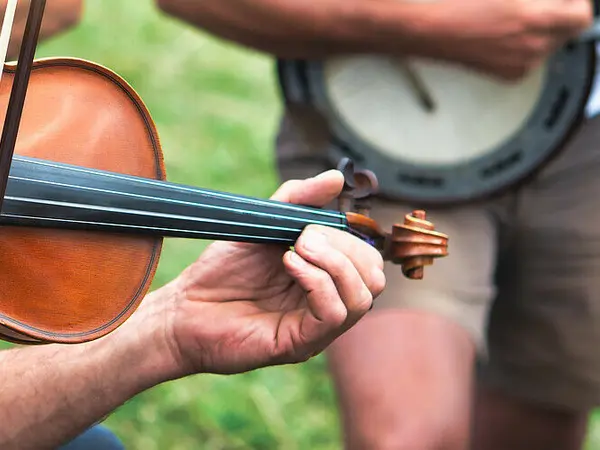
hootenanny
[hoot-n-an-ee, hoot-nan-ee]
a social gathering or informal concert featuring folk singing and, sometimes, dancing

bewitched
[b-ew-itch-ed]
enchanted or under a magical spell; also refers to being captivated or charmed.

briskness
[brisk-nes]
the quality of being energetic or lively

disparage
[dih-spar-ij]
to speak of or treat slightingly; depreciate; belittle

jubilant
[joo-buh-luhnt]
showing great joy, satisfaction, or triumph; rejoicing; exultant
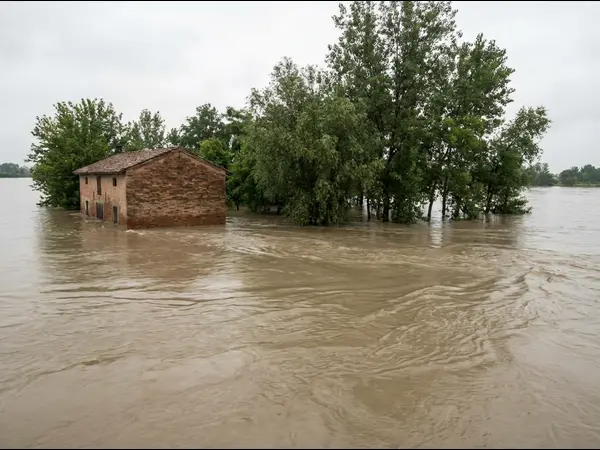
engulf
[en-guhlf]
to flow over and enclose; to overwhelm.

disrespectful
[dis-ri-spekt-fuhl]
showing a lack of respect

aqueous
[ey-kwee-uhs]
of, like, or containing water

assiduous
[uh-sij-oo-uhs]
constant in application or effort; working diligently at a task; persevering; industrious; meticulous

trisect
[trahy-sekt]
to divide into three parts, especially into three equal parts

embarcadero
[em-bahr-kuh-dair-oh]
a pier, wharf, or landing place

grisly
[griz-lee]
causing a shudder or feeling of horror; horrible; gruesome