obviate
verbDefinition
What Makes This Word Tick
"Obviate" is a word with a bit of flair, suggesting a proactive approach to problem-solving. It involves the idea of anticipating and preventing an issue before it even has a chance to occur. It's a bit like having a good insurance plan that kicks in before trouble hits.
If Obviate Were a Person…
Picture someone who always carries an extra umbrella, just in case. This person is meticulous and loves to stay ahead of potential hiccups. They're the friend who thinks of booking reservations ahead of time, ensuring nothing is left to chance.
How This Word Has Changed Over Time
While "obviate" has long held its practical, preventative essence, its usage has seen a decline in casual conversations. Once more commonly found in 18th- and 19th-century texts, it's now frequently reserved for formal writing or legal documents.
Old Sayings and Proverbs That Use Obviate
Though "obviate" doesn't typically headline vintage proverbs, its concept lives in phrases like "a stitch in time saves nine," emphasizing the value of early intervention to sidestep bigger problems.
Surprising Facts About Obviate
Did you know that "obviate" shares roots with the word "obvious"? Both derive from the Latin "obviare," meaning to go against or meet. Interestingly, while "obvious" is about clarity and transparency, "obviate" is about foresight and prevention.
Out and About With This Word
Stumble into the legal realm or a strategic planning meeting, and you might hear “obviate” sprinkled throughout the dialogue. Its formal flair makes it a darling among those who appreciate sounding a bit more erudite.
Pop Culture Moments Where Obviate Was Used
Despite its elegance, "obviate" hasn't made many splashy appearances in movies or music. It's more like the quiet guardian of pop culture, present in the scripts of courtroom dramas or in the rhetoric of diplomatic exchanges.
The Word in Literature
"Obviate" has graced the pages of classic literature, often in the works of authors who appreciate precision in language. It's the kind of word that fits nicely within the sophisticated dialogue of a Jane Austen novel.
Moments in History with Obviate
The signing of the Magna Carta in 1215 was an event that obviated further unrest by granting certain rights, thus preventing the escalation of conflict between the monarchy and rebel barons-truly a word in spirit if not in letter.
This Word Around the World
In Spanish, "obviar" is the counterpart. While it holds a similar sense of removing obstacles, it's commonly used to mean ignoring something. This highlights a cultural difference in approaching problem-solving and what may be deemed ignorable.
Where Does It Come From?
"Obviate" hails from the Latin "obviare," which in turn comes from "ob viam," meaning "in the way of." Over the centuries, it evolved into its current form, with influences shaping its preventative and problem-solving identity.
How People Misuse This Word
A common mix-up occurs when people mistake "obviate" for "oblige." While both involve taking actions, "obviate" prevents issues, and "oblige" fulfills a service or request-distinct purposes under the guise of similar sounding.
Words It's Often Confused With
- Oblige: Often confused due to similar sound but means to compel or provide a service.
- Obfuscate: While dealing with clarity, it means to make something obscure, nearly the opposite of "obviate."
- Mitigate: Shares a role in problem-solving, but rather than preventing, it reduces severity after occurrence.
Additional Synonyms and Antonyms
Synonyms for "obviate" might include "preclude," "prevent," and "avert." Its antonyms can be words like "allow" or "facilitate," which suggest permitting something to happen.
Want to Try It Out in a Sentence?
By arriving early and securing a good seat, she obviated the need to stand during the sold-out lecture.
Explore more words

pellucid
[puh-loo-sid]
allowing the maximum passage of light, as glass; translucent; clear

remunerative
[ri-myoo-ner-uh-tiv]
affording remuneration; profitable

intellect
[in-tuh-lekt]
the ability to think and reason

manifold
[ma-nif-old]
diverse, varied

yearning
[yur-ning]
deep longing, especially when accompanied by tenderness or sadness

glut
[gluht]
to feed or fill to excess; cloy

dilatory
[dil-uh-tawr-ee]
tending to delay or procrastinate; slow; tardy

quip
[kwip]
a clever or witty remark or comment
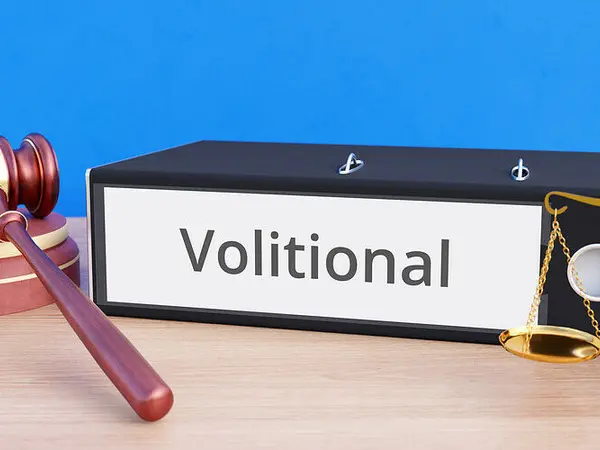
volitional
[voh-lish-uh-nl]
done of one’s own will or choosing; deliberately decided or chosen
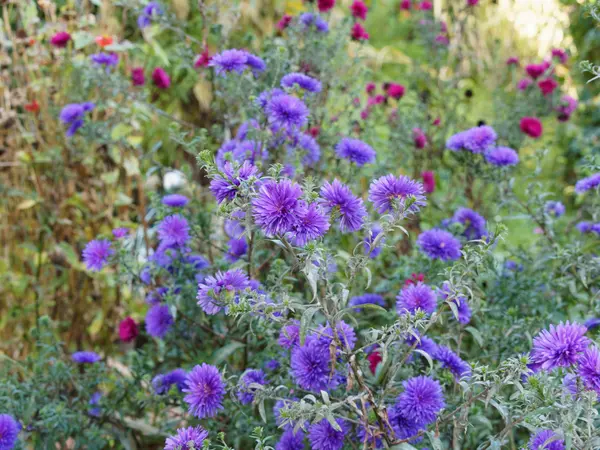
prolific
[pruh-lif-ik]
characterized by abundant production

battery
[ba-tte-ery]
a device that supplies power
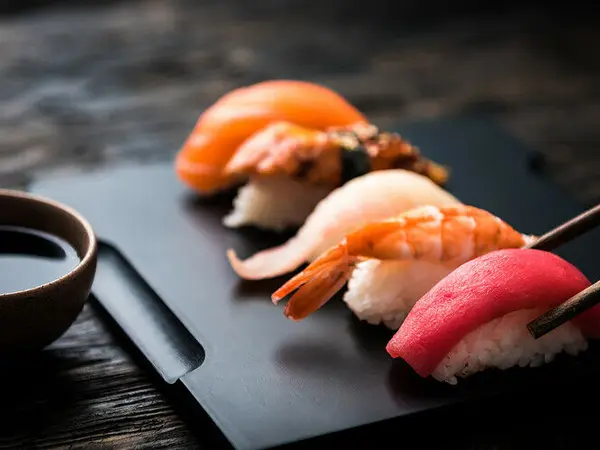
umami
[oo-mah-mee]
a strong meaty taste imparted by glutamate and certain other amino acids: often considered to be one of the basic taste sensations along with sweet, sour, bitter, and salty

gawk
[gawk]
to stare stupidly; gape

verdant
[vur-dnt]
of the color green
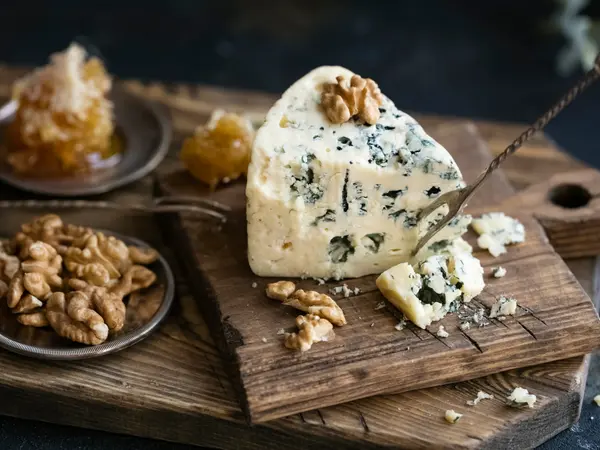
pungent
[puhn-juhnt]
sharply affecting the organs of taste or smell, as if by a penetrating power; biting; acrid

maxim
[ma-xim-xim]
a common saying expressing a principle of conduct