mnemonic
adjectiveDefinition
What Makes This Word Tick
"Mnemonic" is often a lifesaver when it comes to remembering things. It's a tool used to aid memory, making it easier to recall information through associations. Think of it as a mental shortcut, perfect for those moments when names, dates, or sequences become elusive.
If "Mnemonic" Were a Person…
Imagine Mnemonic as that incredibly organized friend who always knows where they left their keys. They'd wear glasses perched on the tip of their nose and have a penchant for crossword puzzles. Helpful, clever, and a bit quirky-Mnemonic always has a trick up their sleeve to remember the grocery list.
How This Word Has Changed Over Time
While "mnemonic" has long been associated with memory techniques, its use has evolved as the complexity of information we need to remember has grown. From ancient oral traditions to modern digital aids, its core purpose remains but now competes with apps and digital reminders.
Old Sayings and Proverbs That Use "Mnemonic"
Though there aren't traditional proverbs with "mnemonic" per se, the concept has always been there. Think of the classic "Spring forward, fall back," used to remember daylight saving time changes-an oral tradition in disguise, coupling rhyme and reason to lock in memory.
Surprising Facts About "Mnemonic"
Did you know that the origin of "mnemonic" is rooted in Greek mythology? It's named after Mnemosyne, the goddess of memory. Her mythical prominence suggests memory's esteemed place in human culture since ancient times.
Out and About With This Word
You'll often find "mnemonic" hanging around educators, trainers, and even musicians. Anywhere there's a need to impart complex information, mnemonic devices come to the rescue, turning dry facts into recallable narratives or songs.
Pop Culture Moments Where "Mnemonic" Was Used
Who could forget the Johnny Mnemonic film, starring Keanu Reeves? It might not have mentioned actual mnemonic devices, but the play on words in the title hints at the protagonist's journey through a web of information saved in his mind.
The Word in Literature
Authors love "mnemonic" for its versatility in explaining a character's thought processes. It's at home in educational texts, detective novels, and any narrative where memory's reliability leads to plot twists or revelations.
Moments in History with "Mnemonic"
During World War II, soldiers used mnemonic devices to remember complex codes and battle strategies. These memory aids were vital for quick decision-making, embodying the essence of cunning and resourcefulness on the battlefield.
This Word Around the World
In Japanese, mnemonic-like expressions are known as "暗記法" (anki-hō), meaning memory method. Every culture has its own tricks of the trade, although the word "mnemonic" might not appear verbatim.
Where Does It Come From?
The origin of "mnemonic" lies in the Greek word "mnēmonikos," which relates to mindfulness. The Indo-European root "men-" also gave rise to "mind" and "memory," conveniently linking the linguistic dots across cultures and time.
How People Misuse This Word
Some people mistakenly think "mnemonic" means minimal or monotonous because of its sound. Far from dull, mnemonics are lively and inventive, often involving vivid imagery or catchy tunes to make facts stick.
Words It's Often Confused With
- Pneumonic: Often confused due to sound, pneumonic relates to the lungs.
- Mimic: The similar start can mislead, but mimic involves imitation, not memory.
- Nemonic: Not a real word, but occasionally appears as a typo.
Additional Synonyms and Antonyms
Synonyms include memory aid, prompt, and reminder. Antonyms might be forgetfulness or oblivion, although they might not perfectly mirror the mnemonic's function.
Want to Try It Out in a Sentence?
"To remember the planets in order, I use the mnemonic 'My Very Educated Mother Just Served Us Noodles.'"
Explore more words

persnickety
[per-snik-i-tee]
overparticular; fussy

mystifying
[mis-tuh-fahy-ing]
to perplex (a person) by playing upon the person's credulity; bewilder purposely
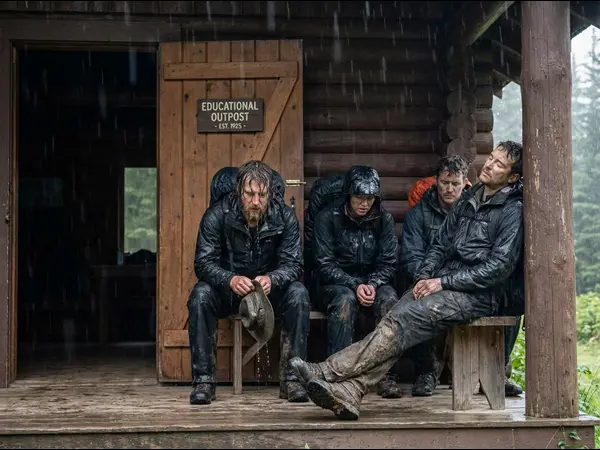
bedraggled
[bih-drag-uhld]
dirty and disheveled

exasperate
[ig-zas-puh-reyt]
to irritate or provoke to a high degree; annoy extremely

annihilate
[uh-nahy-uh-leyt]
to reduce to utter ruin or nonexistence; destroy utterly
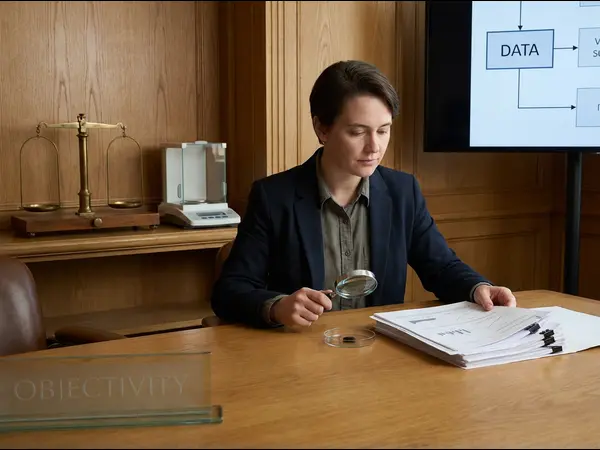
objectivity
[obj-ekt-iv-ity]
the quality of being impartial, unbiased, and based on facts rather than personal feelings.

spawned
[spawnd]
brought forth ; generated, produced.

writhe
[rahyth]
to twist or contort the body in pain or discomfort

vigorous
[vig-er-us]
strong, healthy, and full of energy

atrocious
[uh-troh-shuhs]
horrifyingly bad or unpleasant
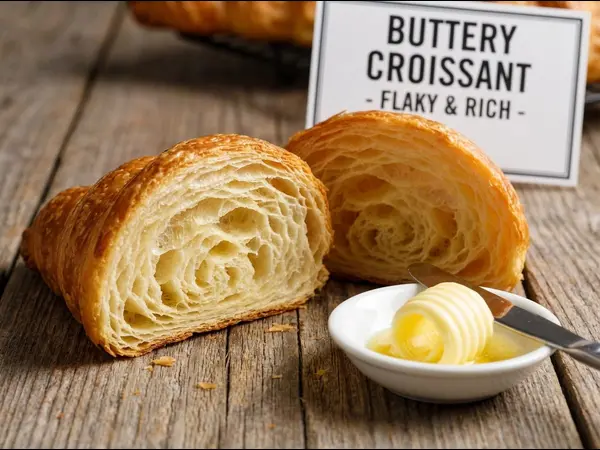
buttery
[buht-er-ee]
having the taste or texture of butter

deign
[deyn]
to think it appropriate to or in accordance with one's dignity; condescend

parallel
[par-uh-lel]
extending in the same direction, never meeting

libertarian
[li-ber-ian]
advocating principles of liberty and free will
obfuscate
[ob-fuh-skeyt, ob-fuhs-keyt]
to confuse, bewilder, or stupefy; to make obscure or unclear

meritorious
[mer-i-tawr-ee-uhs]
deserving praise, reward, esteem, etc.; praiseworthy