
depth
nounDefinition
What Makes This Word Tick
Depth names the quality of extending far downward or inward, whether physically or in a more figurative sense. With the given definition, it points first to measurement from top to bottom. The word suggests more than surface reach, standing apart from shallowness or mere appearance.
If Depth Were a Person…
Depth would be the person who is never fully understood at a glance. They carry layers, distance, and a quiet sense that there is more below the surface. Their strength lies in how far they go beyond the obvious.
How This Word Has Changed Over Time
The literal sense of depth as downward measurement has remained stable over time. From that base, the word has also supported figurative uses, but its core still depends on the idea of extending far below a surface.
Old Sayings and Proverbs
A proverb-style idea that fits depth is that what lies beneath often matters more than what first appears above. That matches the word because depth invites attention beyond the surface.
Surprising Facts
Depth is a measurement word, but it also carries a strong imaginative pull. Even in ordinary use, it often makes people think about what cannot be seen at once. That gives a simple noun an unusually layered feel.
Out and About With This Word
You will encounter depth in math, science, diving, design, and everyday talk about distance downward. It also appears whenever people compare surface impression with what lies further in. The word is especially useful when vertical extent matters.
Pop Culture Moments Where Depth Was Used
In pop culture, the idea behind depth appears in ocean scenes, dramatic reveals, and stories that contrast surfaces with hidden layers below. It works because audiences respond quickly to the image of something extending farther than expected. That makes the concept both visual and symbolic.
The Word in Literature
In literature, depth can shape both setting and mood. Writers use it to describe water, darkness, space, or anything that feels layered and far-reaching. The word helps scenes feel less flat and more inhabited.
Moments in History with Depth
The concept of depth belongs to historical moments involving navigation, building, exploration, and measurement of the physical world. It fits times when knowing how far something extended downward had practical importance.
This Word Around the World
Across languages, words for depth often connect physical downward distance with richer figurative meanings. The exact expressions vary, but the basic idea of extending far below a surface is widely shared.
Where Does It Come From?
Depth comes from deep with the suffix -th, forming a noun for the quality or state of being deep. Its structure keeps the meaning very close to its root.
How People Misuse This Word
People sometimes use depth loosely for any size or seriousness, but the word works best when there is a sense of going far downward or inward from a surface. It carries more layered distance than a general word like size.
Words It’s Often Confused With
Height measures upward rather than downward extent. Length stretches from end to end instead of top to bottom. Extent is broader, while depth keeps the vertical downward image more clearly in view.
Additional Synonyms and Antonyms
Additional Synonyms: vertical reach, deepness, downward extent Additional Antonyms: flatness, thinness, surface level
Want to Try It Out in a Sentence?
"The depth of his knowledge on the subject was impressive."
Explore more words

entreat
[en-treet ]
to ask (a person) earnestly; beseech; implore; beg

estranged
[ih-streynjd]
displaying or evincing a feeling of alienation; alienated

feckless
[fek-lis]
lacking initiative or strength of character; irresponsible

allege
[uh-lej]
to assert without proof

glamour
[gl-am-our]
the alluring or fascinating quality that makes something seem special, exciting, or desirable.
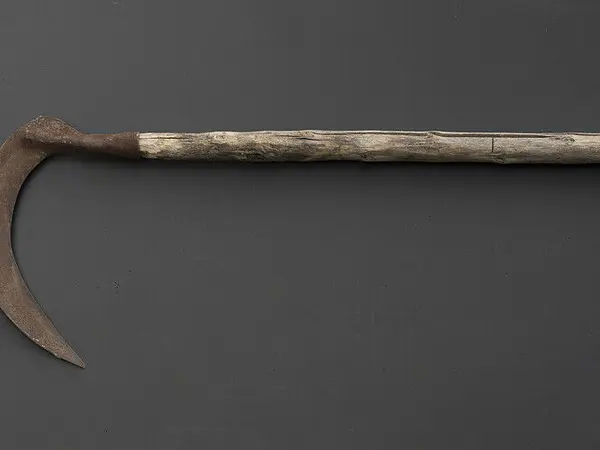
scythe
[sahyth]
an agricultural tool with a long, curving blade that sits at an angle on the handle

logical
[l-og-ik-al]
clear and sound reasoning based on facts and principles.

kith
[kith]
acquaintances, friends, neighbors, or the like; persons living in the same general locality and forming a more or less cohesive group

umbrage
[uhm-brij]
offense; annoyance; displeasure

dungarees
[duhng-guh-ree]
work clothes, overalls, etc. made of blue denim

empirical
[em-pir-i-kuhl]
derived from or guided by experience or experiment

brumal
[broo-muhl]
wintry

profligate
[pr-ofl-ate]
dissolute, extravagant

haboob
[huh-boob]
a thick dust storm or sandstorm that blows in the deserts of North Africa and Arabia or on the plains of India

cocky
[kok-ee]
overly confident or arrogant

lotion
[l-oshun]
a liquid or cream applied to the skin for moisturizing or healing.