
exploit
verbDefinition
What Makes This Word Tick
To exploit means to make full use of something and derive benefit from it. It often carries a strategic feel—finding value in an opportunity, resource, or situation. Depending on context, exploit can sound neutral (use effectively) or morally uneasy (use for one-sided gain), but the core idea is benefiting from use.
If Exploit Were a Person…
Exploit would be the sharp-eyed opportunist who spots a hidden advantage before anyone else. They know how to turn conditions into outcomes and possibilities into results. You might admire their cleverness—or question their motives—depending on what they’re exploiting.
How This Word Has Changed Over Time
Exploit has remained centered on the idea of using something to gain benefit. Over time, it has become especially common in business, strategy, and analysis, where “exploiting opportunities” is a familiar phrase. The word’s ethical shading depends largely on what (or who) is being used for gain.
Old Sayings and Proverbs
A proverb-style idea that fits exploit is that opportunities reward those who act on them. That matches the word because exploiting something means making practical use of it to gain benefit.
Surprising Facts
Exploit can be used positively in technical or strategic contexts, where it simply means using a feature or advantage effectively. In other contexts, it can imply unfairness or taking advantage of someone. The same core meaning—deriving benefit—stays constant, while tone shifts with context.
Out and About With This Word
You’ll often see exploit in business writing, problem-solving talk, and strategy discussions about making use of resources or openings. It also appears in ethical discussions when the “use” feels one-sided or harmful. The word is a strong choice when benefit-from-use is the central idea.
Pop Culture Moments Where Exploit Was Used
In pop culture, the idea behind exploit often shows up in stories where a character uses a weakness, loophole, or advantage to get what they want. That reflects the meaning because the benefit comes from purposeful use of a situation.
The Word in Literature
In literary writing, exploit can sharpen a scene by highlighting calculation and advantage-seeking. Authors use it to reveal motive: someone is not just using a situation, but extracting benefit from it. The word often adds tension because it hints at power imbalance, even when the use is technically “effective.”
Moments in History with Exploit
The concept behind exploit appears in historical situations where people seek advantage from resources, opportunities, or changing conditions. It fits because the focus is on using what’s available to gain benefit, whether that’s praised as strategic or criticized as unfair.
This Word Around the World
Many languages distinguish between “use effectively” and “take advantage of unfairly,” and exploit can lean either way depending on context. Translating it well often means choosing a verb that matches the moral tone of the sentence.
Where Does It Come From?
The inventory traces exploit through French and Latin roots tied to “unfolding,” later associated with using something to gain benefit. The origin fits the idea of drawing out value from what’s available, though details beyond that are not confirmed here.
How People Misuse This Word
Exploit is sometimes used as if it always implies cruelty, but it can be neutral when referring to opportunities, tools, or advantages. If you mean harmful taking advantage of people, the context should make that clear, or words like abuse may be more precise. If you mean simply “use well,” use or leverage can avoid the negative edge.
Words It’s Often Confused With
Exploit is often confused with leverage, but leverage usually sounds more neutral and businesslike, while exploit can feel sharper. It’s also close to use, which is broader and doesn’t necessarily imply gaining benefit. Take advantage of overlaps strongly, though it often leans more clearly toward opportunism.
Additional Synonyms and Antonyms
Additional Synonyms: leverage, capitalize on, make use of, tap Additional Antonyms: forgo, disregard, ignore, waste
Want to Try It Out in a Sentence?
"The company plans to exploit new opportunities in the overseas market."
Explore more words

dilatory
[dil-uh-tawr-ee]
tending to delay or procrastinate; slow; tardy

bespeak
[bih-speek]
to suggest or be evidence of something

tergiversate
[tur-ji-ver-seyt]
to repeatedly change one's attitude or opinions with respect to a cause, subject, etc.

transpire
[tran-spahyuhr]
to occur, happen; take place

persnickety
[per-snik-i-tee]
overparticular; fussy

moria
[môr′ē-ə]
dullness of mind; mental lethargy; a mental state characterized by frivolity, joviality, and the inability to be serious

triturate
[trich-uh-reyt]
to reduce to fine particles or powder by rubbing, grinding, bruising, or the like; pulverize

gawk
[gawk]
to stare stupidly; gape

assorted
[ass-ort-ed]
made up of different kinds, often arranged together; varied or diverse.

accede
[ak-seed]
to give consent, approval, or adherence; agree; assent; to accede to a request; to accede to the terms of a contract

vacuous
[vak-yoo-uhs]
without contents; empty
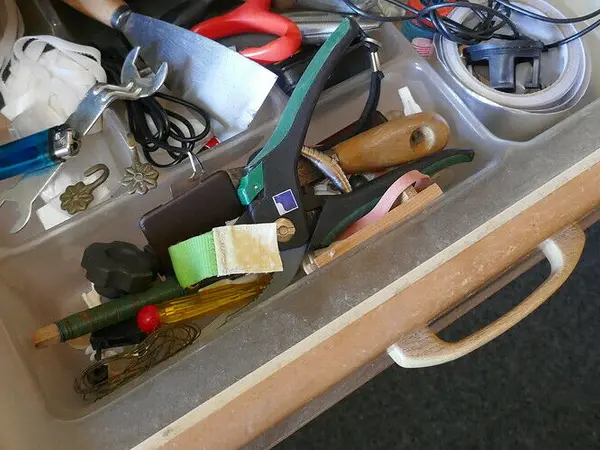
manavelins
[muh-nav-uh-linz]
miscellaneous pieces of gear and material

tiger
[tahy-ger]
a large, wild cat that lives in asia and usually has orange fur with black stripes

inveigh
[in-vey]
to protest or complain bitterly or vehemently

nettle
[net-l]
to irritate, annoy, or provoke

dollop
[dol-uhp]
to dispense in dollops